Phenol Production Cuts Trigger Severe Acetone Supply Squeeze and Price Hikes

Reduced chemical refinery run rates are forcing solvent buyers to accept higher prices and volatile spot market rates.
30.08.26 2 min

Briefing

Steep cuts to phenol operating rates have pinched co-product acetone supplies, pushing solvent prices to multi-year highs. Industrial solvent demand remains broad across coatings, adhesives, and parts cleaning, but expiring supply agreements are forcing buyers into an unsettled spot market where bulk lead times continue to stretch. US spot acetone has reached roughly 1,547 dollars per metric ton.

A high precision digital render shows a modular robotic production cell elevated above an industrial sorting framework in a dark warehouse environment.

Context

Heading into the current squeeze, procurement desks anticipated prolonged oversupply and steady solvent pricing. Weak downstream demand in construction and automotive finishes pointed toward continued softness, leaving buyers focused on whether they could negotiate deeper discounts on upcoming long-term contracts.

Folded textile samples and hanging fabric swatches are arranged on a dark slate staging surface within a structured metal framework.

Analysis

The tightness stems directly from the cumene process, which yields roughly 0.6 tons of acetone for every ton of phenol and accounts for over 95 percent of global acetone output. Because acetone is an unavoidable co-product, output responds to phenol economics rather than solvent demand. With producers trimming phenol run rates, uncommitted acetone volume has dried up quickly; suppliers are booked out for months, and remaining spot parcels face weekly upward price revisions.

Metallic printed component rests on a motorized platform inside a production laboratory adjacent to a heavy vault door surrounded by hexagonal honeycomb lattice structures.

Parameters

  • Acetone Spot Price ~ 1,547 dollars per metric ton FOB US Gulf Coast, marking a multi-year high.
  • Co-product Yield Ratio ~ 0.6 tons of acetone produced for every ton of phenol, tightly coupling the output of both compounds.
  • Anticipated Squeeze Duration ~ Six months of constrained chemical availability and heightened spot market volatility.
  • Production Method Dependence ~ 95 percent of global acetone output depends directly on phenol production, creating structural supply rigidity.

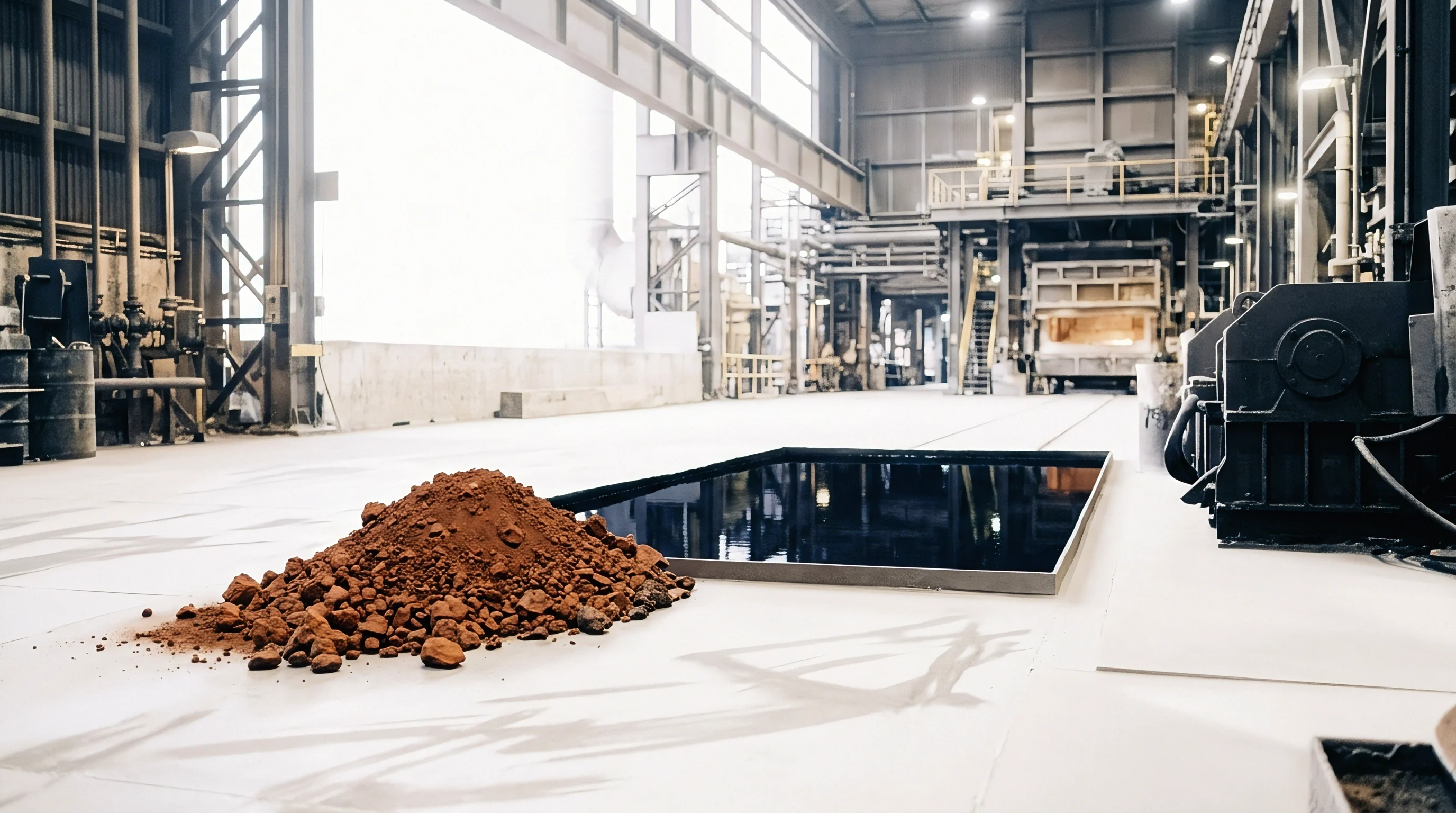
Bulk material transfer equipment suspends an aggregate feeder hopper filled with particulate raw inputs inside a heavy manufacturing facility overlooking a waterway.

Outlook

Tight spot availability and firm pricing look set to hold through the remainder of the year. Procurement teams should watch phenolic resin price indices closely: any rebound in phenol demand could prompt producers to lift operating rates and ease the acetone deficit. Stagnation in resin markets, however, will carry the shortfall straight into the next contract cycle.

Suspended industrial textiles and tension cables occupy a concrete production facility featuring exposed structural steel beams and overhead skylights.

Verdict

Buyers should lock down their solvent needs through long-term volume commitments to bypass an increasingly tight and volatile spot market.

Signal Acquired from: Alliance Chemical

Nomenclature

Industrial Solvents

Solvent Yield ~ Organic liquid formulations categorized by boiling range and solvency power drive coating and cleaning operations across manufacturing plants.

Run Rate Cuts

Capacity Management ~ Strategic reductions in the daily output of a manufacturing facility or refinery help align supply with weakening market demand.

Chemical Procurement

Supply Acquisition ~ Sourcing industrial raw materials requires identifying verified manufacturers while managing strict technical specifications and safety documentation.

Adhesive Production

Polymer Formulation ~ Solvent evaporation and reactive polymerization combine to govern adhesive production within industrial manufacturing sectors.

Solvent Lead Times

Sourcing Schedule ~ The duration between the placement of an order for industrial solvents and its delivery at a processing facility determines the necessary safety stock levels.

Surface Prep Chemicals

Active Solvent ~ Industrial liquid formulations known as surface prep chemicals remove oils, greases, and oxides from metal substrates before coating or bonding applications begin.

Acetone

Solvent Yield ~ Organic chemical intermediates produced as liquid solvents provide essential dissolving capacity across industrial resin and pharmaceutical synthesis operations.

Chemical Supply Chains

Logistical Network ~ Specialized arrangements of transport and transformation assets facilitate the global movement of chemical substances from raw material extraction to final industrial application.

Cumene Process

Chemical Mechanism ~ Industrial chemical synthesis routes using alkylation and catalytic oxidation convert basic aromatic hydrocarbons into valuable oxidized intermediates.

Spot Price Volatility

Pricing Variable ~ Market behavior characterized by rapid and unpredictable changes in the immediate transaction price of a commodity reflects shifts in supply and demand.

Petrochemical Sourcing

Feedstock Acquisition ~ Commodity procurement governs the acquisition of hydrocarbon derivatives from refinery outputs to feed manufacturing lines.

Aromatic Feedstocks

Refining Origin ~ Hydrocarbon streams derived from catalytic reforming and naphtha cracking contain cyclical unsaturated carbon compounds essential for synthetic chemistry.

What the firm knows, published

Expertise is a utility, not a secret. sentiention™ publishes its working knowledge as open reference: intelligence layer covering the materials it sources, the markets it enters, and the reference that serves both.