Record Port Congestion Strands Container Capacity Squeezing Vessel Supply

Delays at major global ports tie up record shipping volume, reducing available ship space and driving up ocean spot rates.

27.08.26 2 min

Briefing

Global container ship capacity tied up by port congestion has hit an all-time high, locking up vessel space and driving spot freight rates higher. For procurement teams, this bottleneck cuts into available cargo slots on major routes, elevates rollover risks, and stretches delivery timelines by several weeks. Shipping lines are struggling to keep schedules as delays compound across major hubs in China, Southeast Asia, and Northern Europe. Importers must lock in space much earlier or pay soaring spot premiums to guarantee a slot. Worldwide, 4.31 million twenty-foot equivalent units of container capacity sit stranded at anchorages.
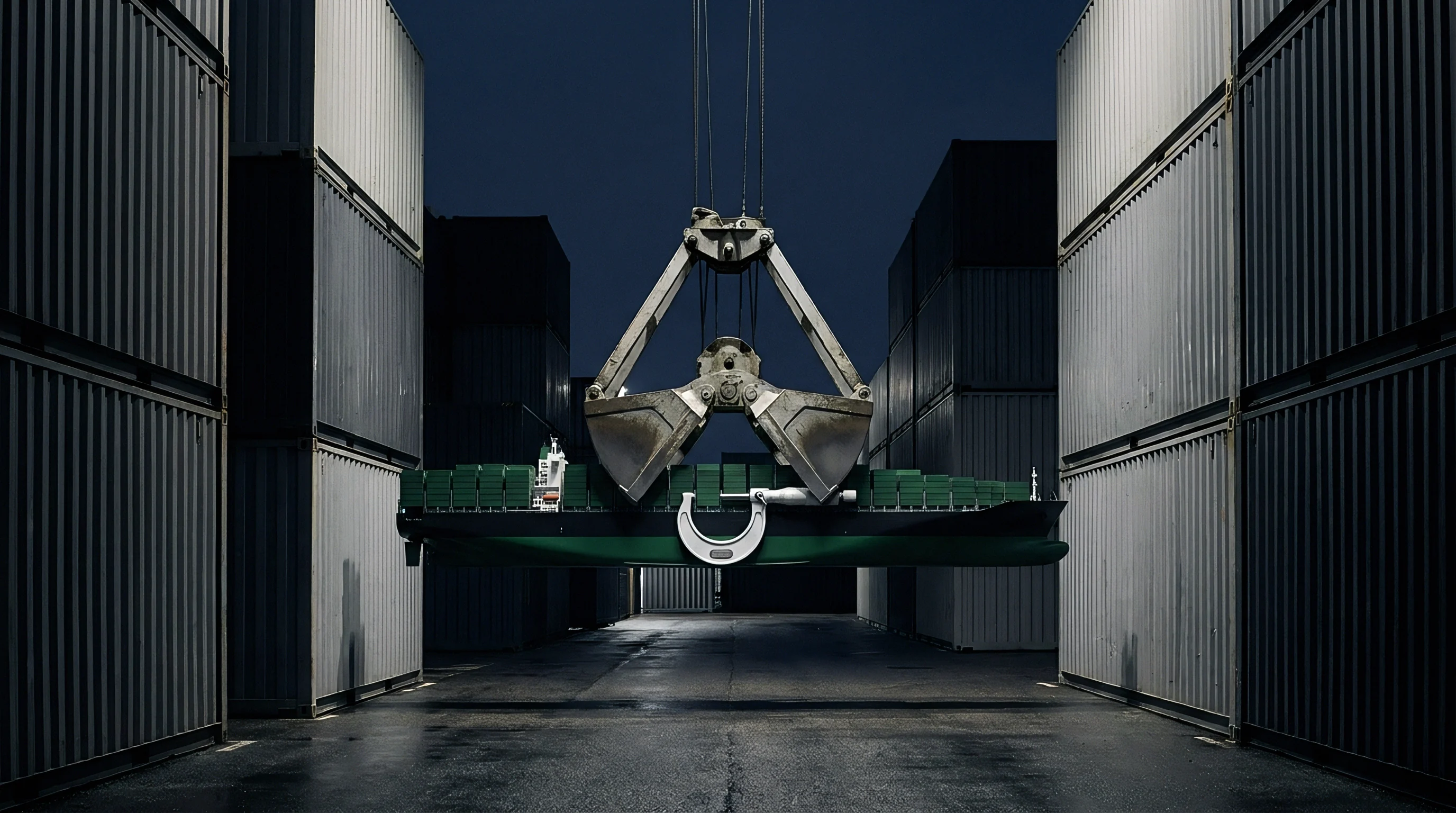
A digital render shows an industrial crane lifting a model cargo vessel between towering steel shipping containers inside a dark terminal warehouse.

Context

Before this escalation, procurement desks were watching a steady stream of newly built container ships enter the market, expecting the added fleet capacity to pull freight rates down. Buyers questioned whether this influx would trigger an oversupply and shift pricing leverage away from carriers. Instead, long routing diversions and heavy frontloading swallowed up the new capacity, keeping vessel supply tight.
A glass and metal display case holds varied metal stock and precision-machined industrial parts on a dock.

Analysis

The current bottleneck stems from a surge of cargo arrivals hitting constrained port operations. Importers frontloaded orders to beat new tariff deadlines, clogging terminal yards and dragging down truck turnaround times. At the same time, regional disruptions force carriers onto longer routes, delaying the return of empty containers to Asian manufacturing hubs. The congestion ripples through the supply chain much like highway traffic ~ when lead vehicles slow, the entire line grinds to a halt. For buyers, booked orders can sit for weeks waiting for empty containers or open vessel slots, inflating final costs through port congestion fees and peak-season surcharges.

A dark digital render features a miniature cargo vessel suspended above a reclining figure beside a podium against a dark background.

Parameters

  • Stranded capacity volume ~ 4.31 million TEUs are currently delayed at anchorages worldwide.
  • Fleet share delayed ~ 12.6 percent of the active global container fleet is caught in port bottlenecks.
  • Previous peak volume ~ 4.0 million TEUs of capacity were delayed during the supply chain crisis in 2022.
A wrapped roll of industrial insulation material rests on a wooden loading platform beside a dark cargo vessel at night.

Outlook

Over the coming weeks, shippers face ongoing schedule delays and higher peak surcharges while carriers prioritize schedule reliability over cheap cargo. Buyers should track weekly updates from the Drewry World Container Index, where continued rate increases on primary east-west routes will signal that congestion is worsening and spreading into secondary lanes. Flattening index levels will be the first clear sign that backlogs are clearing and new ship deliveries are absorbing the shortfall.
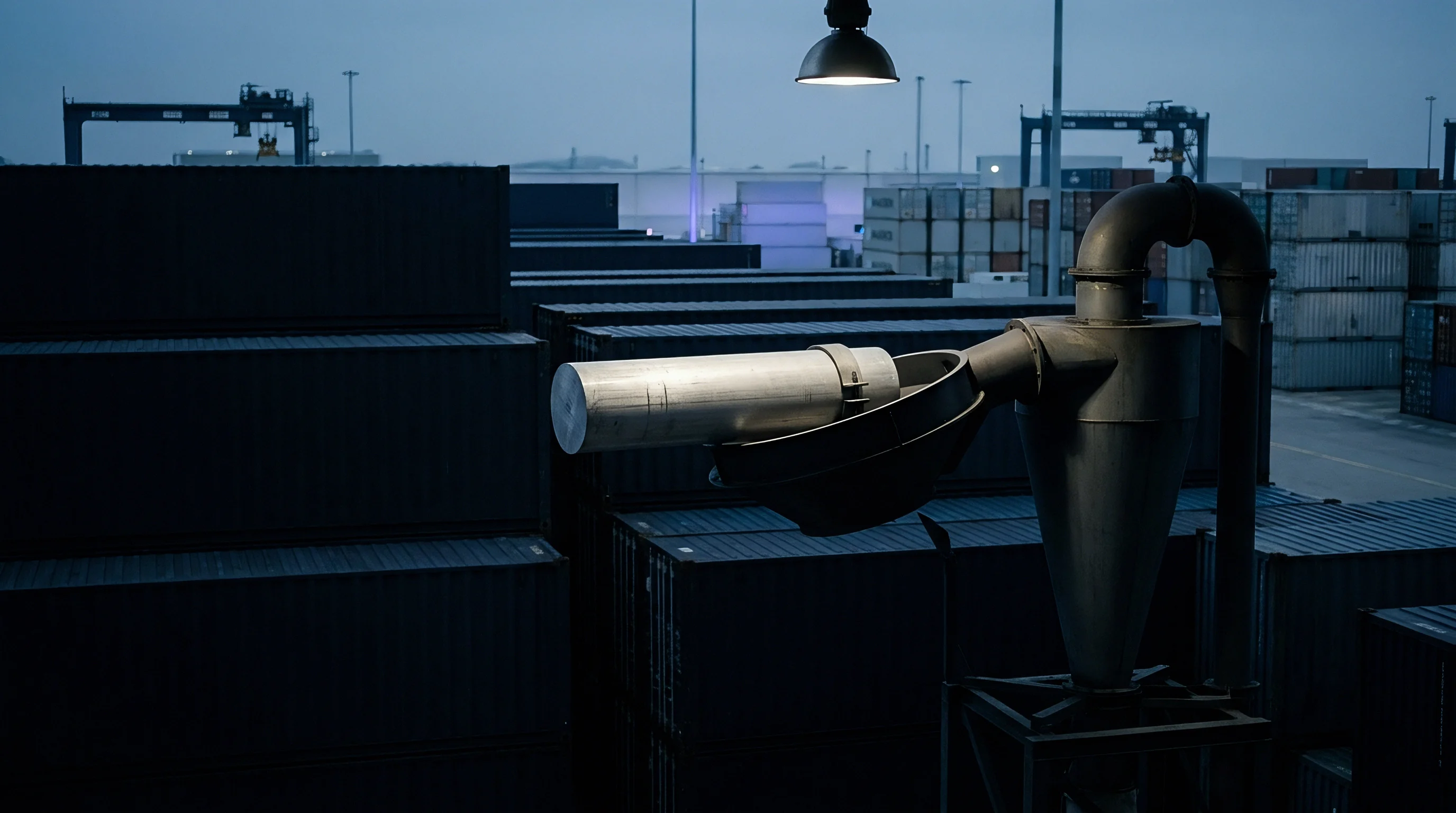
Metal extraction machinery processes a heavy cylindrical billet above stacked shipping containers inside a dim industrial freight terminal at evening.

Verdict

Importers must secure vessel bookings at least four to six weeks in advance and budget for higher freight costs while record port congestion limits active global shipping capacity.

Signal Acquired from: The Maritime Executive

Nomenclature

Supply Chain Bottlenecks

Flow Restriction ~ Specific points of congestion in a production or distribution network where demand exceeds processing capacity create slowdowns in the movement of goods.

Carrier Space Allocation

Capacity Distribution ~ The specific allotment of cargo space on a commercial vessel provided to a shipper or forwarder governs the volume of goods moved on a particular route.

Spot Rate Volatility

Price Dispersion ~ Daily fluctuations in the cost to secure immediate shipping capacity represent the primary financial metric for evaluating short-term logistics risk.

Blank Sailings

Service Withdrawal ~ The intentional cancellation of scheduled ocean transport services allows carriers to manage vessel capacity and stabilize freight rates during periods of low demand.

Terminal Yard Utilization

Operational Calculus ~ Terminal yard utilization acts as the primary container facility performance indicator, measuring ground slot occupancy against total operational storage capacity on a daily reporting cycle.

Port Congestion

Systemic Bottleneck ~ Marine transit interruption occurs when vessel arrival volume exceeds the capacity of terminal infrastructure to process cargo, leading to extended wait times at anchorage or within berths.

Vessel Turnaround Times

Port Efficiency Metric ~ The measurement of the time a vessel spends in a port from arrival to departure indicates the efficiency of terminal operations and logistics management.

Transshipment Delays

Transfer Pause ~ Delays occurring during the transfer of cargo between vessels at intermediate hub ports disrupt the synchronization of the global shipping network.

Container Shipping Delays

Transit Interruption ~ Delays in the arrival or departure of containerized cargo vessels resulting from congestion or equipment shortages disrupt the flow of the global logistics network.

Ocean Freight Capacity

Shipping Volume ~ Total container space on active maritime vessels defines the physical limit of international trade routes within the global logistics network.

Cargo Rollover Risk

Operational Probability ~ Maritime logistics practitioners classify cargo rollover risk as the statistical likelihood that containerized goods fail to depart on the vessel originally assigned to that shipment due to capacity constraints or scheduling adjustments.

Maritime Transport Delays

Nautical Hindrance ~ Time deviations in the sea-based transport of goods resulting from environmental or operational factors lengthen the lead times for global commerce.

What the firm knows, published

Expertise is a utility, not a secret. sentiention™ publishes its working knowledge as open reference: intelligence layer covering the materials it sources, the markets it enters, and the reference that serves both.