Australian Steel Stud Tariffs Lift Construction Supply Sourcing Costs

Australia imposes 37.8 percent steel stud tariffs forcing buyers to restructure construction supply chains and absorb cost hikes.
29.08.26 2 min

Briefing

Australia has imposed a 37.8 percent provisional anti-dumping duty on light gauge steel studs and tracks imported from China. The decision forces construction procurement teams and importers to immediately adjust supply contracts to absorb the extra cost. The duty targets steel framing products widely used in commercial and residential interior walls. Effective immediately as a cash security deposit at customs, the measure creates a direct barrier for Chinese structural metal imports.

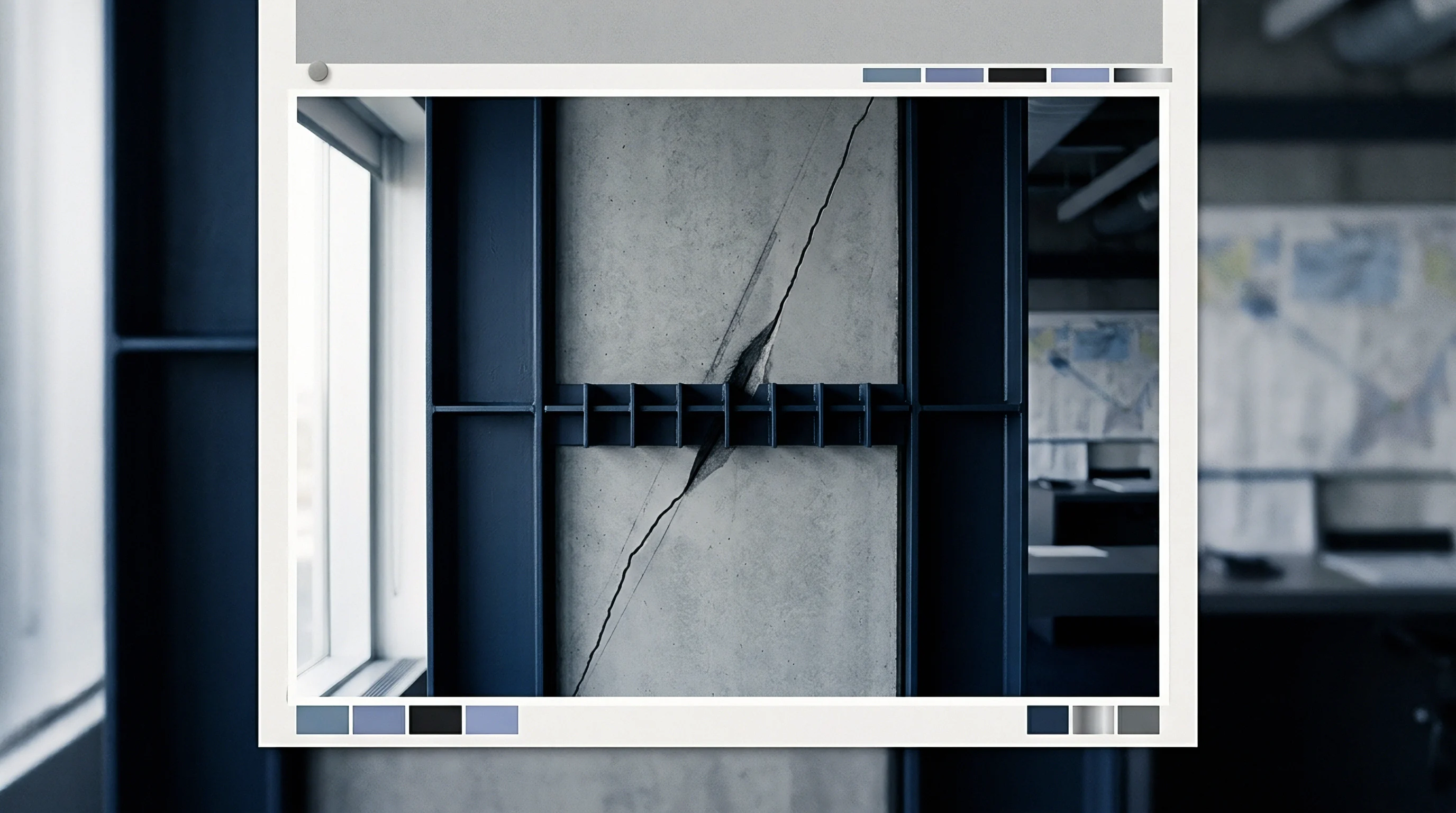
Layered vertical stone tiles and angled industrial metal louvers comprise structural wall assemblies built from raw mineral and fabricated metal components.

Context

Australian procurement teams and contractors previously relied on cheap Chinese steel to balance tight project budgets during a period of high local construction activity. Buyers tracked the anti-dumping investigation expecting trade authorities to reject the complaint or delay tariffs. Local distributors kept track inventories lean on the assumption that regular supply channels would remain open.
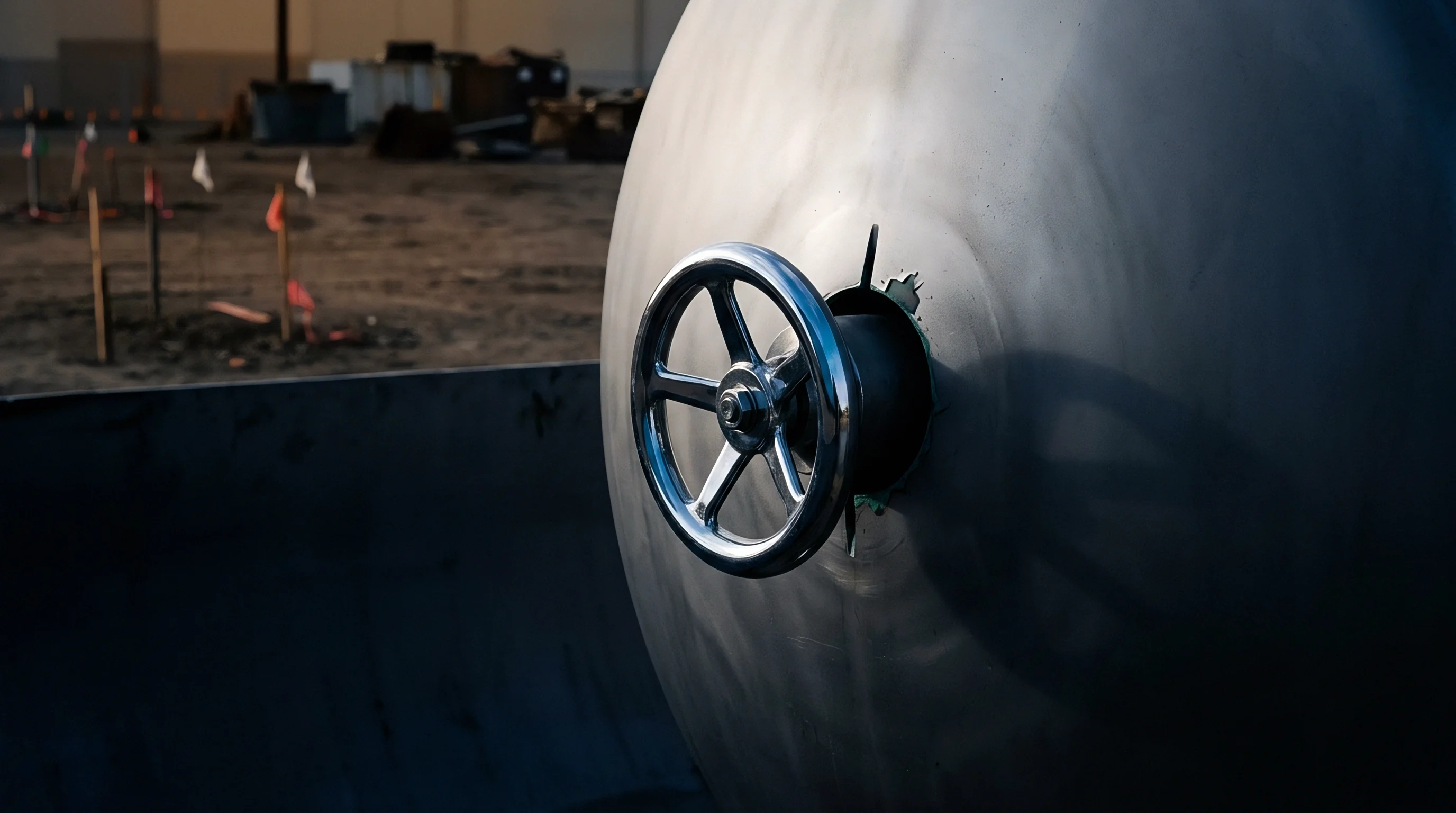
A polished steel industrial pressure vessel featuring a heavy manual control valve sits staged within an active construction facility yard.

Analysis

The Australian Anti-Dumping Commission initiated the case following a formal complaint by a major domestic building product manufacturer, which alleged that underpriced imports were causing material injury to local manufacturing. By requiring a cash deposit at entry, the tariff raises prices on foreign options and instantly neutralizes the price advantage of Chinese suppliers. These higher costs will move straight through the supply chain, as distributors pass metal price increases on to contractors in quotes for current and future tenders.
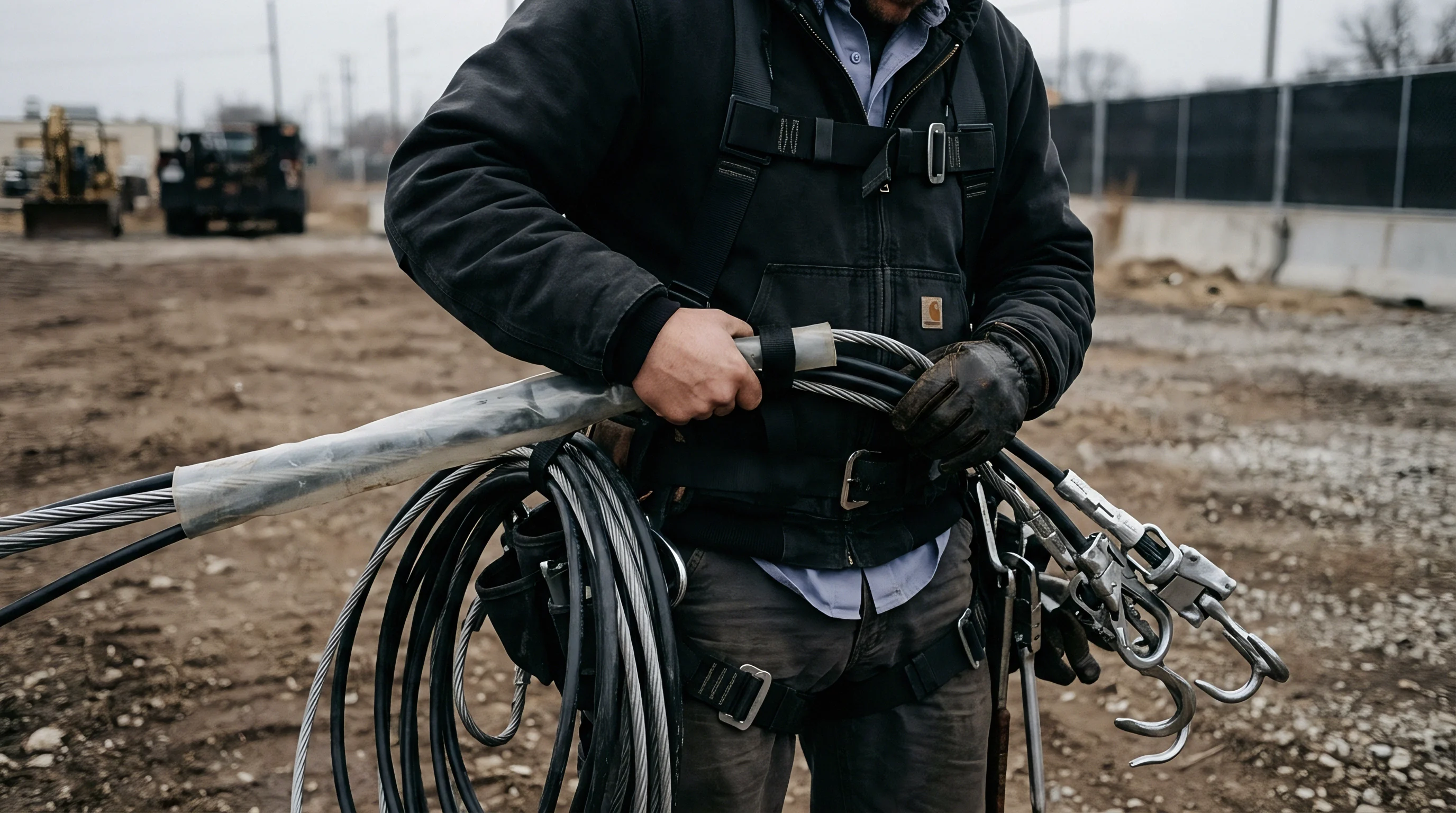
An industrial worker wearing protective gear organizes heavy metal wire cables at an active outdoor construction site.

Parameters

  • Tariff Rate ~ A 37.8 percent provisional anti-dumping duty applied to Chinese light gauge steel studs and tracks.
  • Effective Date ~ The provisional duties took effect on May 26, 2026.
  • Affected Product Categories ~ Light gauge steel studs and tracks classified under HS codes 7216.61, 7216.69, and 7308.90.
  • Key Case Milestone ~ A partial final ruling on August 17, 2026, terminated the parallel countervailing investigation against Wenan Kaize Building Material Co due to de minimis subsidies, while maintaining the 37.8 percent anti-dumping duty for all exporters.
A wooden timber winch and stacked quarried stone blocks rest on a concrete floor inside an industrial architectural interior.

Outlook

Buyers need to prepare for the final anti-dumping determination, which could lock these provisional measures into five-year duties. Procurement managers should monitor the Anti-Dumping Commission’s rulings to see whether duty rates are adjusted or expanded. Sourcing teams will need to evaluate alternative supply lines in Southeast Asia to protect margins before domestic prices rise further.
A digital render portrays a working canine standing atop an industrial testing enclosure surrounded by raw construction materials and structural steel.

Verdict

Sourcing teams must diversify framing steel supply channels immediately to avoid the 37.8 percent import penalty.

Signal Acquired from: Mysteel

Nomenclature

Supply Chain Risk

Vulnerability Assessment ~ Procurement disruption probabilities describe the likelihood of external events damaging the continuity of material flows through global logistics networks.

Trade Defense

Tariff Remedy ~ Legal and administrative border measures protect domestic manufacturing industries from injury caused by unfairly priced imports, foreign government subsidies or sudden import volume surges.

Commodity Tariffs

Market Importation ~ Periodic fiscal charges applied to incoming raw materials shift the total landed cost calculations for industrial producers.

Building Materials

Material Definition ~ Heavy construction inputs comprising structural steel, cement, aggregates, and dimensional timber form the physical foundation of civil infrastructure projects.

Trade Protection

Tariff Structure ~ Trade protection operates as a system of government interventions designed to shelter domestic producers from foreign competition by raising the cost of imported goods.

Custom Duties

Tariff Application ~ Sovereign fiscal instruments levied on cross-border merchandise transactions establish custom duties at designated ports of entry based on declared commodity classification codes and verified commercial valuations.

Australian Trade Commission

Export Mandate ~ State agencies operating abroad direct commercial intelligence toward sovereign export expansion, matching domestic producers with foreign buyers through structured advisory channels.

Steel Studs

Framing Element ~ Cold-formed vertical steel framing members form load-bearing and non-load-bearing interior partition walls.

Metal Procurement

Industrial Sourcing ~ Acquisition activity secures raw industrial inputs through established trade channels to maintain consistent production output.

Steel Channels

Structural Profile ~ Structural steel C-shaped sections sustain axial load and bending moments in building construction.

Steel Imports

Volume Basis ~ Commodity movement across national borders identifies foreign production entering a domestic market to supplement local output.

Structural Steel

Load-Bearing Alloy ~ Hot-rolled carbon steel shapes supply the load-bearing frames of commercial buildings and industrial infrastructure.

What the firm knows, published

Expertise is a utility, not a secret. sentiention™ publishes its working knowledge as open reference: intelligence layer covering the materials it sources, the markets it enters, and the reference that serves both.