Plummeting Iron Ore Benchmarks Lower Industrial Steel Input Costs
Global ore prices drop under 100 dollars signaling immediate pressure on steel suppliers to negotiate lower long-term rates.


Briefing
Singapore iron ore futures fell below the 100 dollar per tonne mark as slowing Chinese construction pulled support from global mineral markets. The drop lowers baseline costs for basic steel production, giving industrial buyers room to reset contracts for long products used in infrastructure and manufacturing. Prices hit 98.15 dollars in mid-August trading, down 25 percent from the peak earlier this year.

Context
Procurement desks spent the summer tracking port inventories while awaiting a seasonal stimulus package from Beijing, watching to see if steel mill operating rates would pick up for late-year manufacturing targets.

Analysis
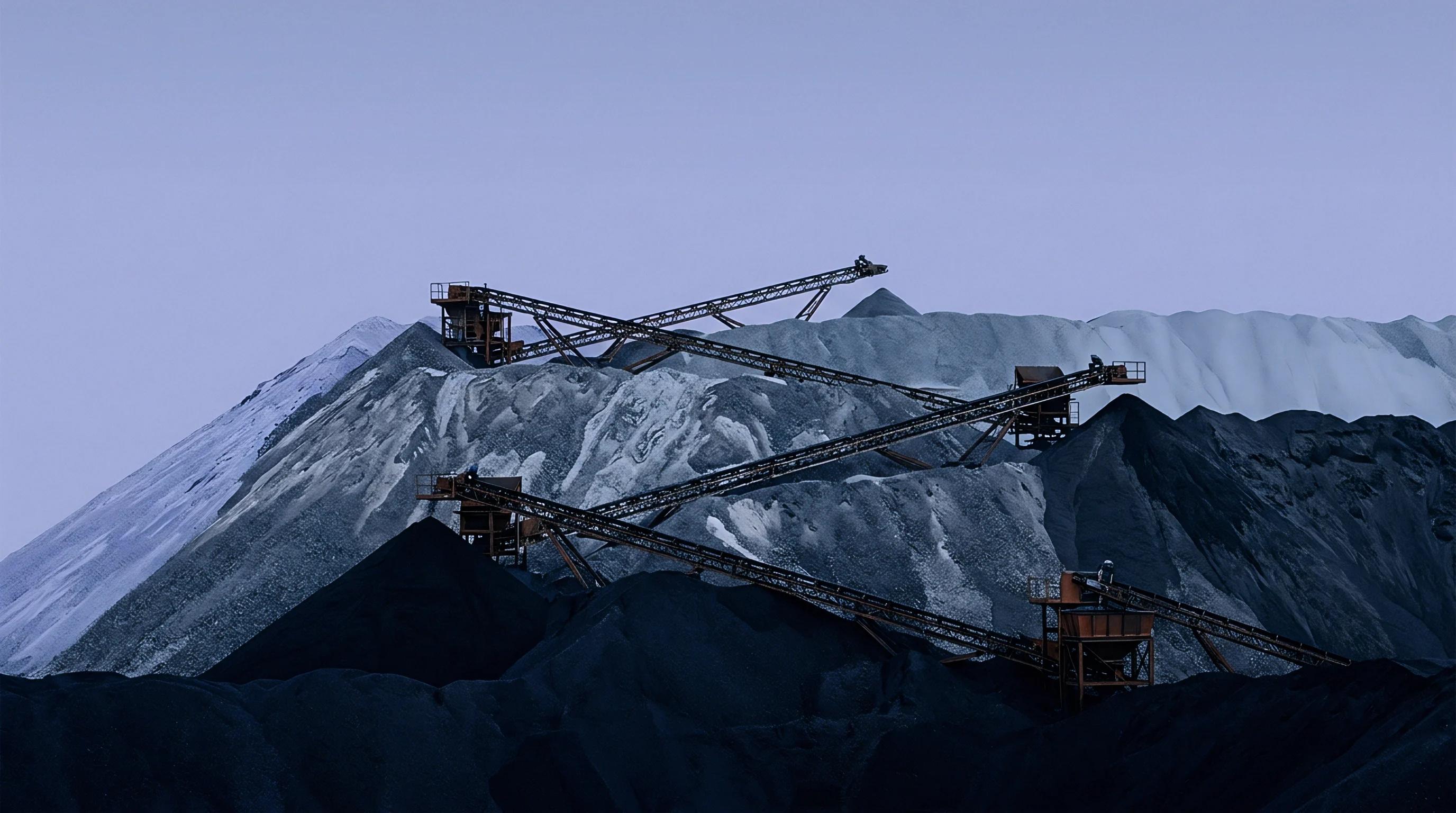
Weak demand for new residential construction across Asia has reduced the volume of furnace-grade ore needed by coastal mills. Since iron ore is the main cost driver in steelmaking, cheaper raw inputs will eventually feed through to finished products. Meanwhile, output from Australian and Brazilian miners remains steady against flat demand. Heavy port stockpiles have created a glut that is forcing sellers to offer discounts, pulling down the floor for negotiated contracts in the coming quarter.

Parameters
- Spot Price ~ 98.15 dollars per tonne, the current market value for 62 percent grade iron ore fines delivered to northern China.
- Year-to-Date Decline ~ 25 percent, the total drop in the benchmark index since its high point in January.
- Port Stockpiles ~ 150 million tonnes, the volume of ore currently held at Chinese terminals awaiting purchase by mills.
Outlook
Prices will likely stay suppressed through the end of the construction season in October. Buyers should track official factory activity data and central bank rate decisions in key emerging markets. A sustained drop below 95 dollars would signal a deeper structural cut in steel mill output capacity.

Verdict
Steel buyers should leverage the 100 dollar price break to demand immediate reductions in upcoming raw material surcharges.