Operational Probability
Maritime logistics practitioners classify cargo rollover risk as the statistical likelihood that containerized goods fail to depart on the vessel originally assigned to that shipment due to capacity constraints or scheduling adjustments. Carriers calculate cargo rollover risk by comparing booked volume against available slot capacity on specific loops, though the final outcome depends on terminal performance and vessel stowage patterns. Port authorities view high levels of this phenomenon as a negative signal of network health that creates storage backlogs in inland depots.
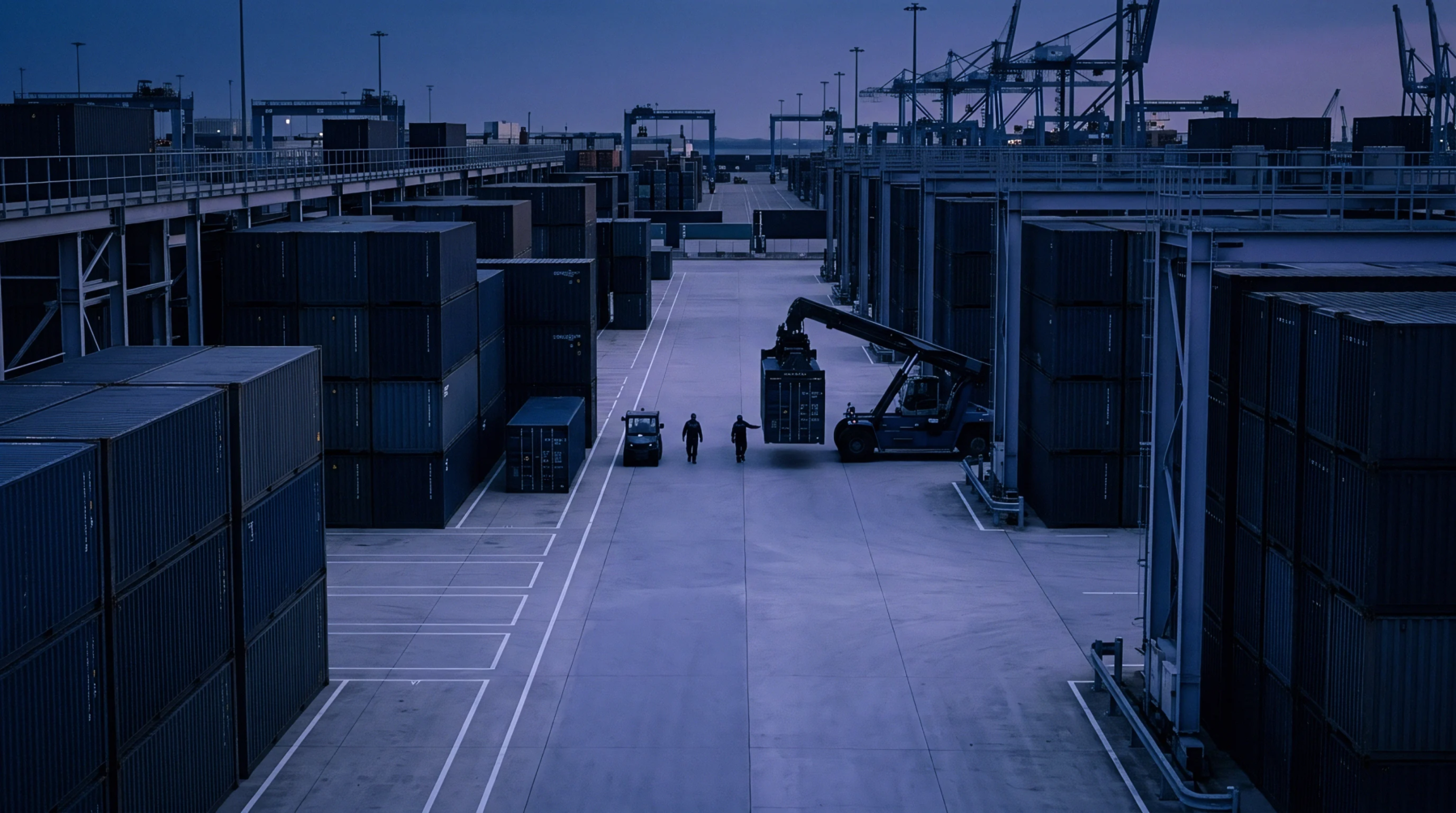
When congestion occurs, the metric tracks how many containers remain grounded while the primary vessel departs to maintain schedule integrity for subsequent port calls. This specific measurement applies exclusively to liner shipping services where transshipment or direct port-to-port movement involves strict cutoff times.
Systemic Calculation
Reliability teams analyze port throughput data to determine why cargo rollover risk fluctuates during peak seasons or when vessels face technical delays at sea. Analysts observe that terminal operators prioritize loading high-value shipments first, which means lower-tier consignments encounter a higher frequency of deferral to later sailings. These gaps in service occur when actual throughput exceeds the forecasted capacity of the berth, forcing an abrupt reallocation of inventory.
Shipping lines monitor these figures daily to manage customer expectations and adjust inventory placement strategies accordingly. Each instance of delay requires a recalculation of the arrival time for the affected containers, as the process shifts from a standard transit to an expedited recovery effort.
Logistical Consequence
Freight managers identify cargo rollover risk as a driver of increased warehouse inventory costs and unpredictable supply chain cycles. Because shippers pay for space that remains unoccupied upon vessel departure, the commercial impact hits revenue margins and slows inventory turnover for retailers. Delayed goods occupy space in the terminal yard, a condition that hampers the movement of other containers and complicates the overall flow of trade through a hub.
Long-term exposure to these delays forces importers to increase buffer stocks, an action that raises capital requirements throughout the distribution network. Shipping lines bear the burden of reputation damage when the inability to lift booked containers becomes a persistent trend. Cargo rollover risk dictates the speed of global inventory replenishment.