Capacity Strain
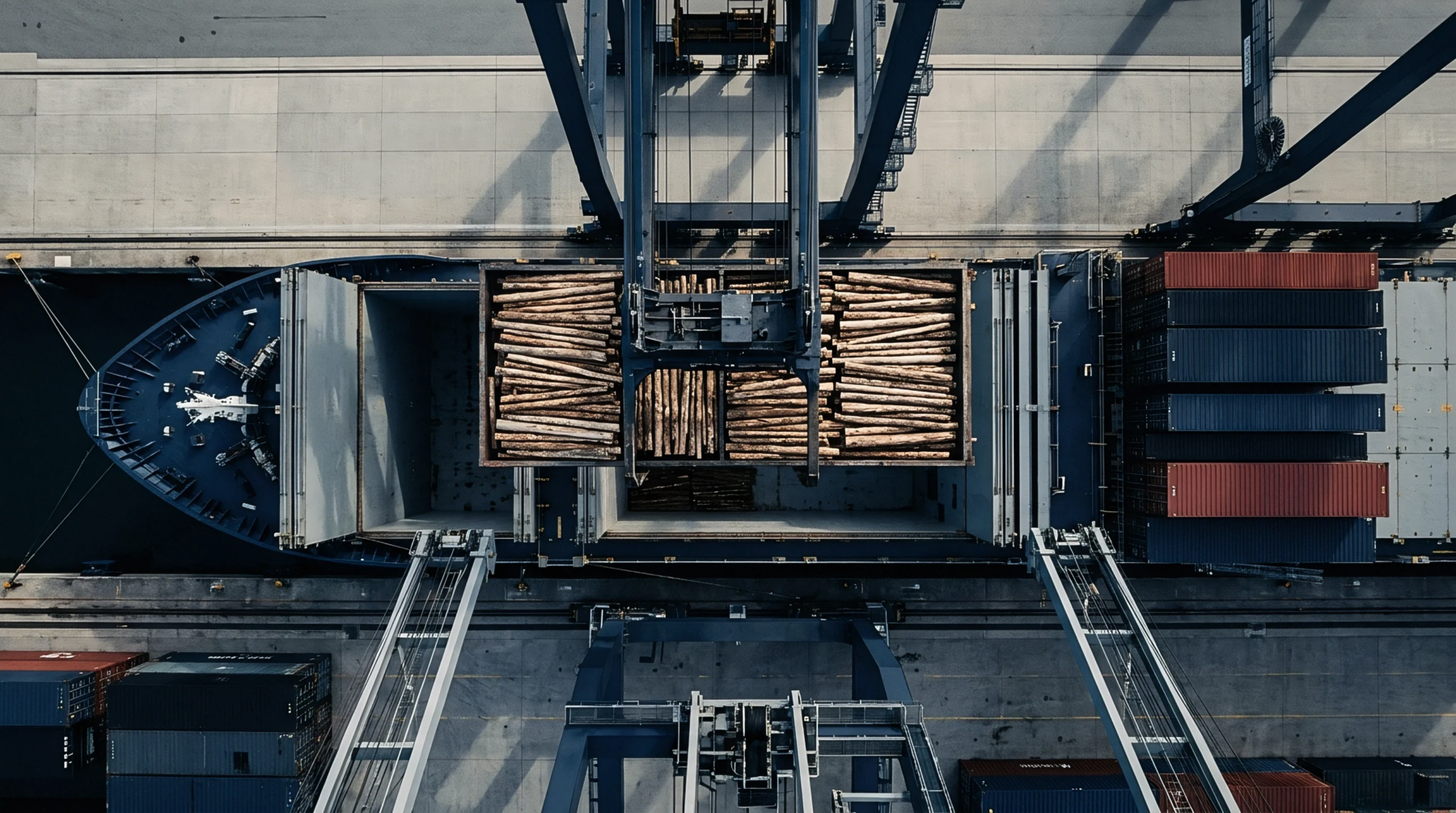
Structural imbalances in ocean freight supply arise when carriers cancel scheduled port calls to manage vessel utilization or respond to port congestion. Blank sailings pressure describes the operational and financial burden placed on shippers when these withdrawn services reduce available space on a specific trade lane. This condition limits the predictability of weekly schedules.
Cargo Displacement
Sudden reductions in weekly departures force freight forwarders to rebook containers onto subsequent vessels or seek alternative routings. When a carrier skips a port, the resulting blank sailings pressure often triggers a backlog that takes several weeks to clear. Export cycles lengthen because containers sit at terminals longer than planned.
Higher demurrage costs and missed delivery windows follow this disruption.
Market Volatility
Ocean freight rates frequently climb when supply is restricted through these tactical cancellations. This blank sailings pressure allows carriers to maintain price floors during periods of weak demand by ensuring that remaining ships sail at near-maximum capacity. Shippers must monitor carrier schedules weekly to anticipate these shifts.
The removal of a single high-capacity vessel can impact an entire regional supply chain. Contracts often include clauses that address these missed departures. Volatility remains high when multiple alliances coordinate their cancellations.
Market participants track these events through carrier alerts and port schedule revisions. The resulting lack of space drives up spot rates and premium surcharges.