US East Coast Container Rates Approach Nine Thousand Dollars Squeezing Spot Buyers

Front-loaded US imports and port backlogs push Shanghai to New York spot container rates to eighty-seven hundred dollars.


27.08.26 2 min

Briefing

Spot rates from Shanghai to New York rose 10 percent in a single week to reach $8,706 per 40-foot container. US importers have been pulling orders forward to build buffer inventories, tying up vessel space alongside port delays and blank sailings. That pressure has created a trans-Pacific premium that is forcing procurement teams to recalculate freight budgets and secure vessel space weeks ahead. Drewry’s World Container Index now pegs the Shanghai-to-New York benchmark at $8,706 following months of sharp increases.

A circular industrial clock with a minimal face mounts directly onto a dark metal shipping container beneath a weathered steel beam.

Context

Before this latest run-up, freight buyers expected ocean pricing to stabilize once carriers absorbed early-year disruptions. The longer routing around Africa had become the working baseline, with shippers watching whether summer capacity could handle normal peak volumes without triggering another rate surge.

A gantry crane suspends bundles of raw timber logs above an open cargo hold of a bulk carrier docked at a concrete terminal.

Analysis

An early wave of orders from US importers created an unexpected demand peak that quickly absorbed open capacity. In response, carriers blanked sailings to realign schedules while redirecting more tonnage onto trans-Pacific corridors. Compounding the vessel shortage, lines are slow-steaming around Africa to trim fuel expenses, tying up container equipment for longer cycles and further tightening usable supply. Spot shippers now face steep premiums simply to ensure cargo is loaded onto scheduled sailings.

A canvas carrier and an industrial lamp hang from a rope system over an inclined concrete pathway within a utilitarian building.

Parameters

  • Shanghai to New York Spot Rate ~ $8,706 per 40-foot container, up 10 percent in one week.
  • Shanghai to Los Angeles Spot Rate ~ $6,244 per 40-foot container, a 6 percent weekly increase.
  • Drewry World Container Index Level ~ $4,339 per 40-foot container, up 1 percent across monitored global trade lanes.
  • Shanghai to Genoa Rate Decline ~ Down 8 percent to $5,080 per 40-foot container, showing a widening split between Atlantic and Pacific pricing.
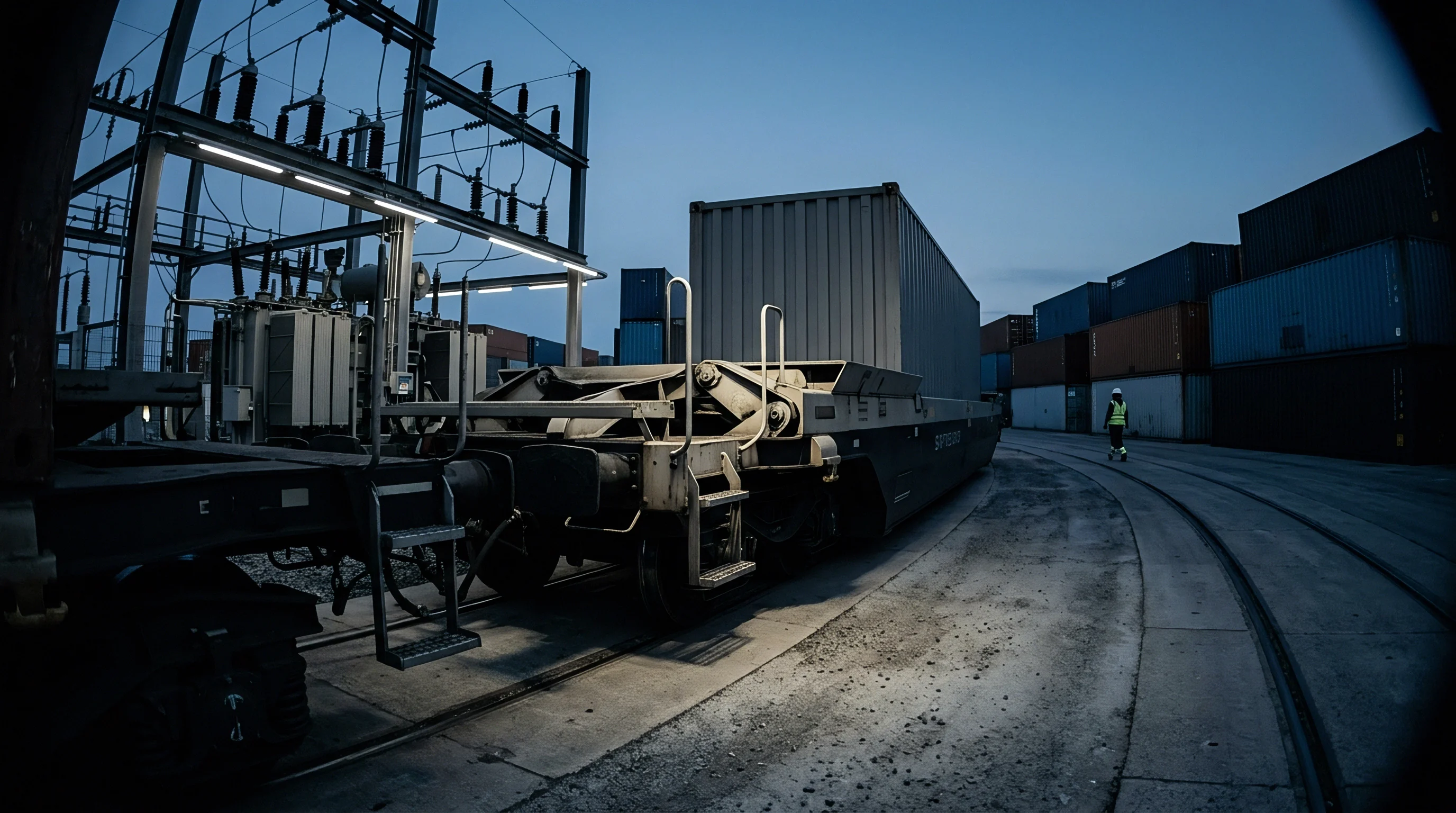
Heavy container flatbeds rest on railway tracks beside a high voltage electrical substation near lines of stacked intermodal steel transport units.

Outlook

Procurement teams should track the implementation of the August 15 safe transit agreement between Iran and Oman covering the Strait of Hormuz. Restoring regular transit through the corridor would return ships to shorter lanes and release tied-up capacity back into the global fleet. Trans-Pacific rate indexes in late September will indicate whether early stock building is beginning to taper off.

An executive meeting table displays diverse material samples, notebooks, and digital communication tools ready for product development and strategic sourcing discussions.

Verdict

Procurement teams need to secure trans-Pacific bookings at least four weeks out, with elevated spot rates expected to persist through the end of the third quarter.

Signal Acquired from: JCtrans

Nomenclature

Blank Sailings Pressure

Capacity Strain ~ Structural imbalances in ocean freight supply arise when carriers cancel scheduled port calls to manage vessel utilization or respond to port congestion.

Ocean Freight Capacity

Shipping Volume ~ Total container space on active maritime vessels defines the physical limit of international trade routes within the global logistics network.

Peak Season Restocking

Inventory Flow ~ Logistic planners classify peak season restocking as the accelerated acquisition of goods designed to meet predictable surges in consumer demand before the holidays.

Empty Container Repositioning

Strategic Relocation ~ Movement of unloaded shipping units from surplus areas to locations with high export demand balances the global flow of maritime equipment.

Spot Rate Surcharges

Dynamic Pricing ~ Additional variable fees applied to carrier charges protect operators against sudden operational cost shifts during periods of high demand.

Carrier Schedule Reliability

Performance Measurement ~ Global shipping logistics depends on the percentage of maritime vessels arriving at scheduled port terminals within a pre-defined window of time.

Port Congestion Delays

Terminal Bottleneck ~ Vessel queuing and cargo processing slowdowns occur when the volume of freight exceeds the handling capacity of a maritime gateway.

Shipping Route Diversions

Schedule Alteration ~ Emergency changes to a vessel's planned path occur due to weather events, mechanical failure or geopolitical instability.

Container Shipping Rates

Maritime Index ~ Ocean freight pricing represents the published charge for moving standard metal boxes across deep water routes on scheduled carrier services.

Trans-Pacific Trade Lanes

Logistics Corridor ~ Maritime container movement across the north Pacific Ocean defines the physical path connecting East Asian manufacturing hubs to North American consumer markets.

What the firm knows, published

Expertise is a utility, not a secret. sentiention™ publishes its working knowledge as open reference: intelligence layer covering the materials it sources, the markets it enters, and the reference that serves both.