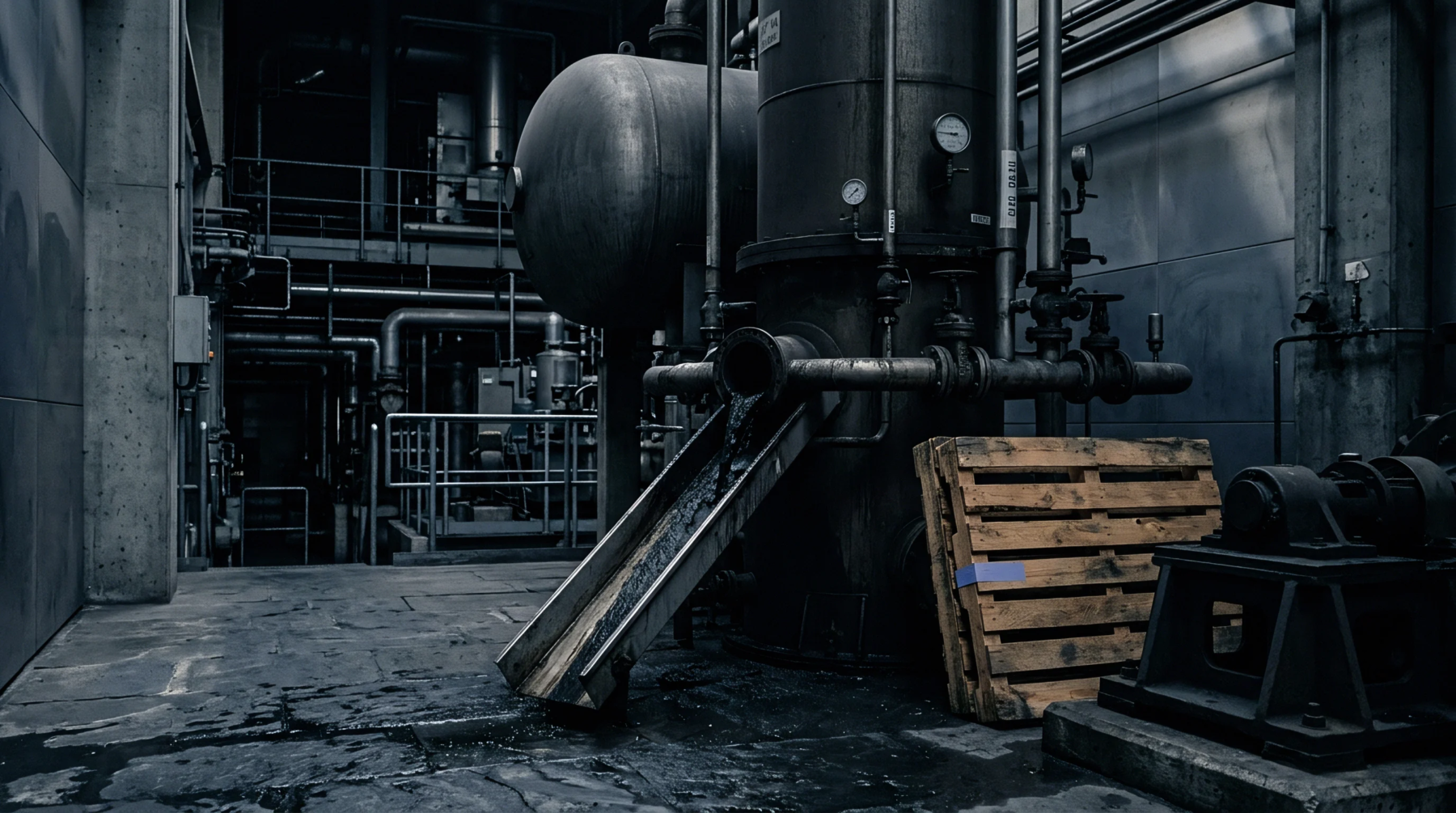
Material Transfer
Bulk transport and storage systems move raw agricultural, mineral, chemical and energy products from points of extraction or harvest to processing facilities and export terminals. Operating within commodity logistics requires specialized infrastructure including unit trains, dry bulk vessels, grain elevators and tank farms capable of handling high-volume throughput. Physical trade flows depend on tight coordination between inland transport operators and port terminal managers to avoid demurrages and inventory degradation.
Moisture control, contamination prevention and weight verification govern handling protocols across the entire supply chain. This domain stops at the boundary where raw materials undergo manufacturing transformation into finished packaged goods.
Bulk Handling
Specialized terminal equipment accelerates loading cycles while minimizing product loss during transfer between land and sea transport. In commodity logistics, berth productivity determines ship turnaround times and directly influences charter party costs. Specialized conveyers, pneumatic suction systems and rotary car dumpers move thousands of tons per hour under continuous operation.
Equipment breakdowns at transshipment points create immediate rail congestion and vessel queuing outside harbor channels.
Market Integration
Physical flow data provides trading desks with immediate visibility into regional supply surpluses and localized shortages. Strategic commodity logistics aligns vessel chartering schedules with futures contract delivery dates to manage cash market price exposure.