Drewry Reports Global Ship Waiting Times Have Doubled since 2019

Prolonged berth queues reduce vessel productivity, forcing buyers to extend order lead times as carriers manage tight capacity.
29.08.26 2 min

Briefing

Global ship waiting times nearly doubled in the first seven months of 2026 compared to the same period in 2019, according to maritime research firm Drewry. For procurement desks and ocean freight buyers, that means longer voyages and lower vessel productivity that terminal expansions haven’t managed to offset. Shipping lines are absorbing the backlog through blank sailings, slow-steaming, and ad-hoc cancellations, keeping cargo space tight and forcing importers to extend transit lead times. Overall, containerships spent thirty-one percent more time in port during the first seven months of 2026 than in the same stretch of 2019.
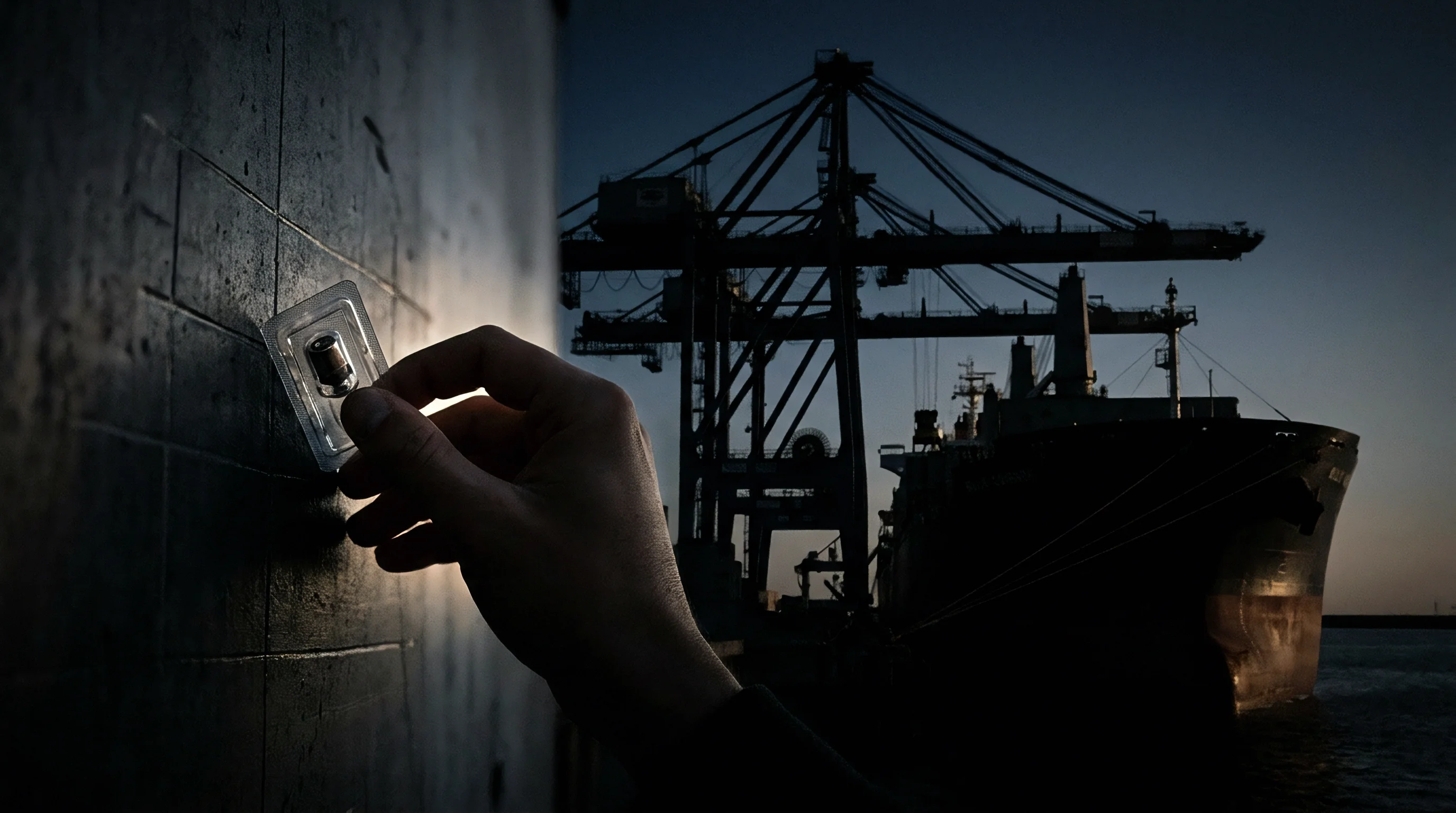
A hand secures a small hardware tracking unit to a structured surface near container cranes and a cargo ship in port.

Context

Before these figures came out, procurement departments were watching to see whether post-pandemic terminal investments would clear chronic bottlenecks. The assumption was that private capital spending and automated systems would give ports enough buffer to absorb seasonal spikes. Instead, buyers had to judge whether ongoing disruptions were down to bad weather or evidence that port infrastructure was failing to keep up with trade volumes.
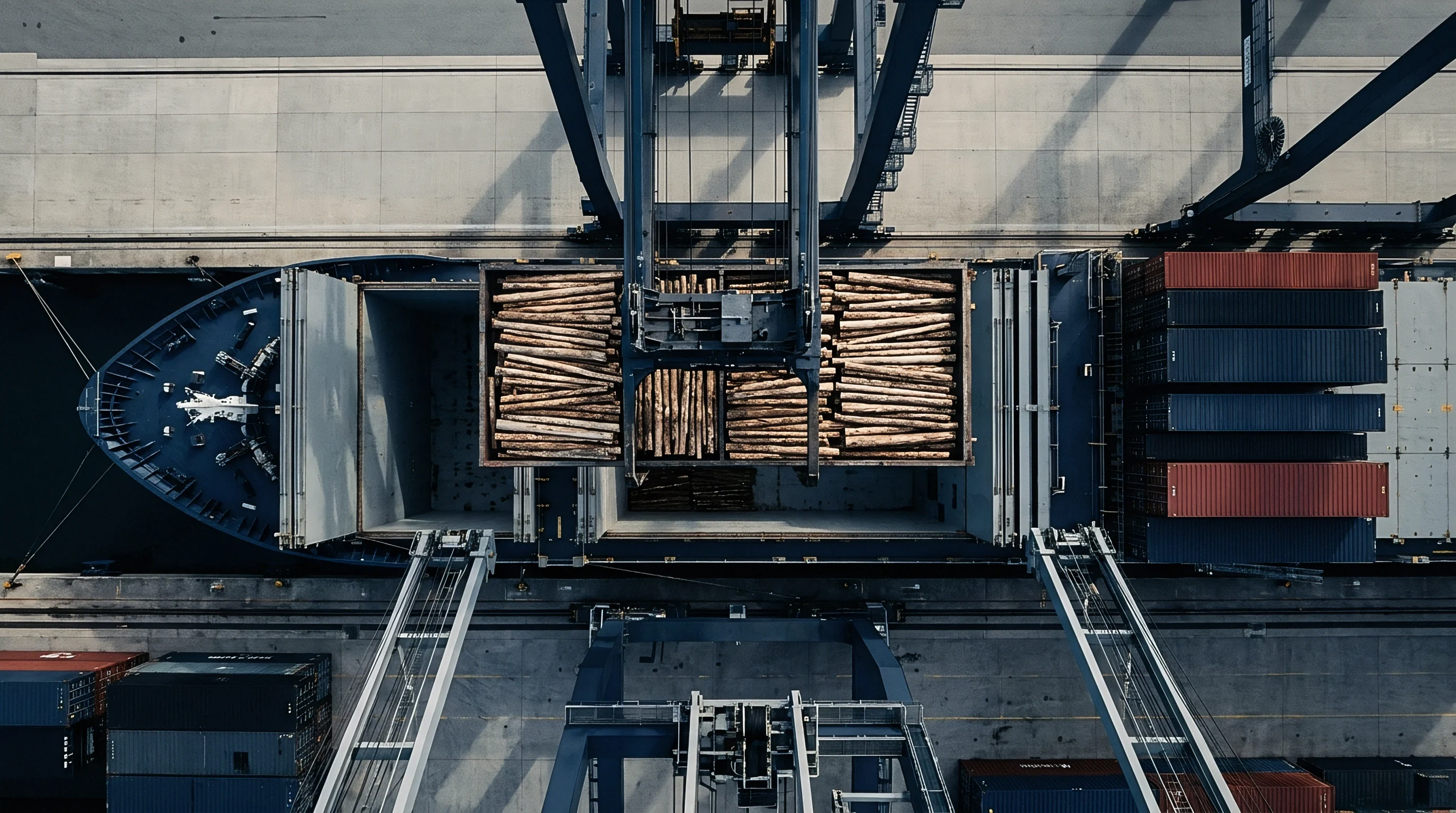
A gantry crane suspends bundles of raw timber logs above an open cargo hold of a bulk carrier docked at a concrete terminal.

Analysis

Drewry’s data shows terminal operators expanded capacity by twenty-one percent between 2019 and 2026, trailing the twenty-eight percent surge in trade volumes over that same window. Once a terminal hits ninety percent utilization, it acts like a congested highway ~ a single minor disruption triggers a massive bottleneck. At that level of strain, just one day lost to bad weather or a strike takes roughly one week to clear. Vessels end up idling at outer anchorages waiting for berth space, effectively pulling active capacity out of the global fleet. That lost capacity allows carriers to sustain high spot rates and announce blank sailings across major transpacific and transatlantic routes. For buyers trying to keep factories running or retail shelves stocked, just-in-time scheduling is no longer viable; delivery timetables now require a permanent buffer.
Bulk raw material and a large metal ingot rest on a platform inside a heavy industrial manufacturing facility near a ship hull.

Parameters

  • Port Capacity Expansion ~ 21 percent terminal capacity growth between 2019 and 2026.
  • Global Volume Growth ~ 28 percent increase in container volumes over the same seven-year period.
  • Time Spent in Port Increase ~ A 31 percent rise in the average duration of a containership port call.
Structural steel beams support an overhead crane assembly with heavy rigging cables above a metal signal bell inside a concrete industrial facility.

Outlook

Over the coming quarters, this imbalance will keep ocean capacity tight even as new vessels enter service. Sourcing teams should track the Drewry World Container Index each Thursday to see whether spot rates hold despite the wave of new ship deliveries. If the index stays elevated, it confirms port queues are eating up the new capacity ~ meaning extended lead times will last through contract negotiation season.

Precision coordinate measuring machines and an optical comparator surround a scale model cargo ship and raw material sample inside a concrete laboratory.

Verdict

Buyers need to permanently add several days to transit lead times and build inventory buffers to absorb persistent port berth queues.

Signal Acquired from: Maritime Magazine

Nomenclature

Port Congestion

Systemic Bottleneck ~ Marine transit interruption occurs when vessel arrival volume exceeds the capacity of terminal infrastructure to process cargo, leading to extended wait times at anchorage or within berths.

Lead Time Management

Operational Duration ~ Administrative oversight regulates the span between an order request and final delivery.

Terminal Capacity

Operational Throughput ~ Throughput potential defines the maximum volume of cargo or passenger traffic a transport hub handles within a fixed period under optimal conditions.

Ocean Freight

Cargo Movement ~ Maritime transport provides the primary physical capacity for moving heavy industrial goods and bulk commodities across international waters on scheduled vessel routes.

Maritime Logistics

Oceanic Coordination ~ Management of sea transport and port operations ensures the smooth movement of goods across the globe.

Marine Terminals

Transfer Interface ~ Port infrastructure facilities house specialized berth infrastructure, gantry cranes, storage yards and intermodal rail connections designed to transfer containerized, liquid bulk or dry bulk cargo between ocean vessels and land-based transport networks.

Container Shipping

Freight Methodology ~ Standardized modular transport utilizes intermodal metal units to move goods across global trade routes.

Blank Sailings

Service Withdrawal ~ The intentional cancellation of scheduled ocean transport services allows carriers to manage vessel capacity and stabilize freight rates during periods of low demand.

Trade Lane Disruptions

Operational Vulnerability ~ Sudden capacity withdrawals and route realignments constitute trade lane disruptions whenever maritime networks absorb shocks from labor strikes, canal blockages or geopolitical conflicts.

Global Port Operations

Terminal Efficiency ~ Berth allocation determines how long commercial vessels remain docked before departure.

Vessel Waiting Times

Operational Lag ~ Berth allocation algorithms and terminal scheduling models quantify the duration cargo ships spend anchored offshore or hovering outside a harbor before a berth clears for discharge operations.

Procurement Planning

Material Scheduling ~ Sourcing oversight represents the initial administrative barrier where purchasing requirements transition into formal supply contracts across industrial networks.

What the firm knows, published

Expertise is a utility, not a secret. sentiention™ publishes its working knowledge as open reference: intelligence layer covering the materials it sources, the markets it enters, and the reference that serves both.