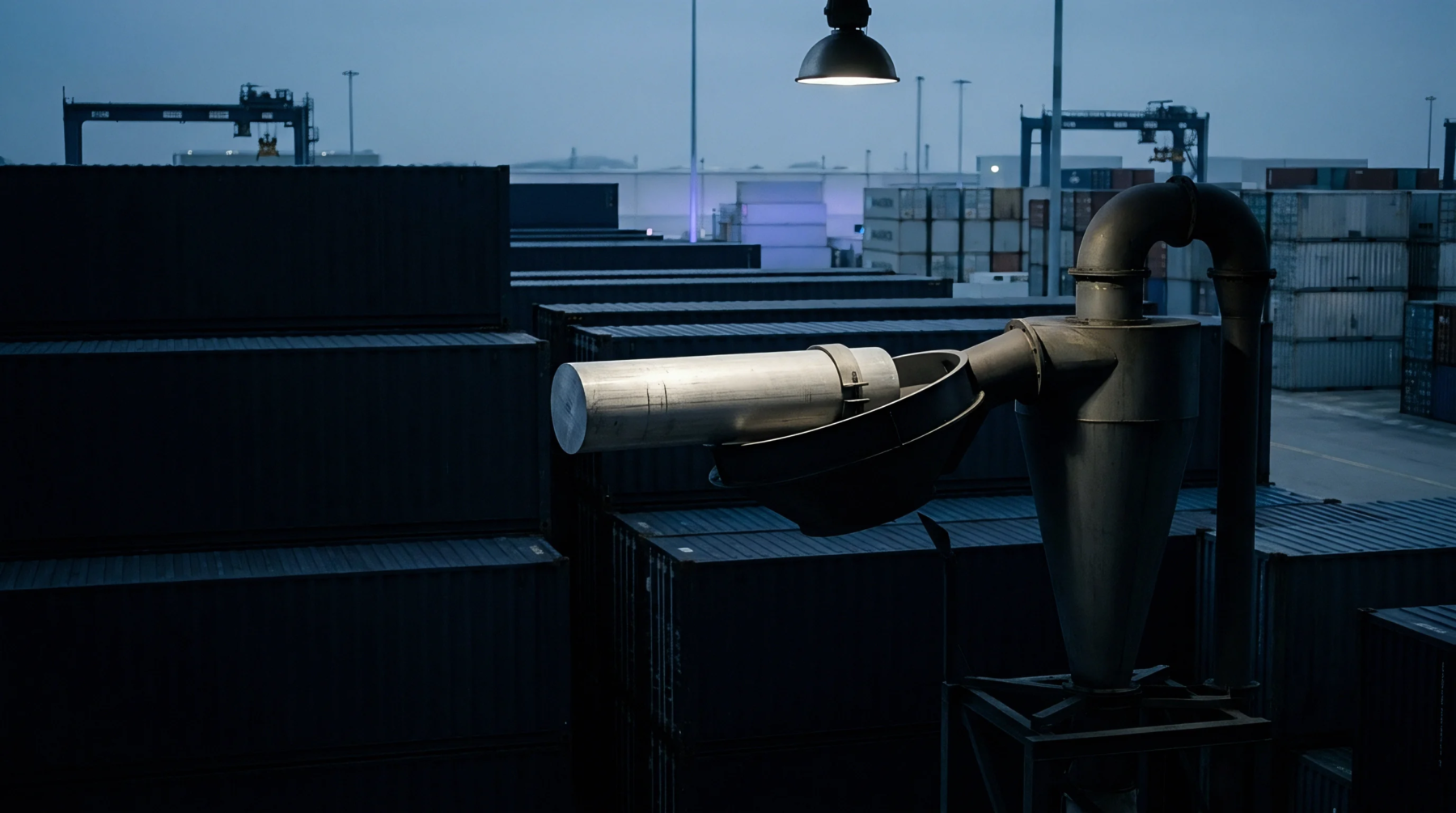
Operational Throughput
Throughput potential defines the maximum volume of cargo or passenger traffic a transport hub handles within a fixed period under optimal conditions. Terminal capacity quantifies the physical limits of infrastructure including berth length, stacking space, equipment uptime, and gate access. This measurement ignores external delays like weather or labor disputes to isolate the intrinsic performance limit of the facility itself.
Constraints appear when equipment fails or when the layout prevents efficient handling of incoming units.
Infrastructure Utilization
Fixed assets generate constraints that dictate the flow rates for maritime or inland ports. Terminal capacity relies on the specific combination of crane lift rates, yard density, and intermodal connectivity. Operators analyze these variables to determine if a facility requires additional investment or if scheduling adjustments optimize the existing footprint.
Bottlenecks emerge at the point where a secondary process slows the primary movement of containers or bulk goods. High utility rates suggest that the facility functions near its absolute upper limit, leaving no margin for surge volume or operational variance.
Market Valuation
Investment analysts view this metric as the ceiling for revenue generation within a logistics network. Terminal capacity informs the long term feasibility of expansion projects by comparing existing output against projected demand. Changes in technology or operational procedures alter these numbers without requiring physical additions to the site.
Accurate assessment of these figures allows stakeholders to predict the sustainability of cargo growth over several fiscal cycles. A facility reaches its financial peak when the cost to push volume past this ceiling exceeds the profit generated by the extra units.