Regional Flow
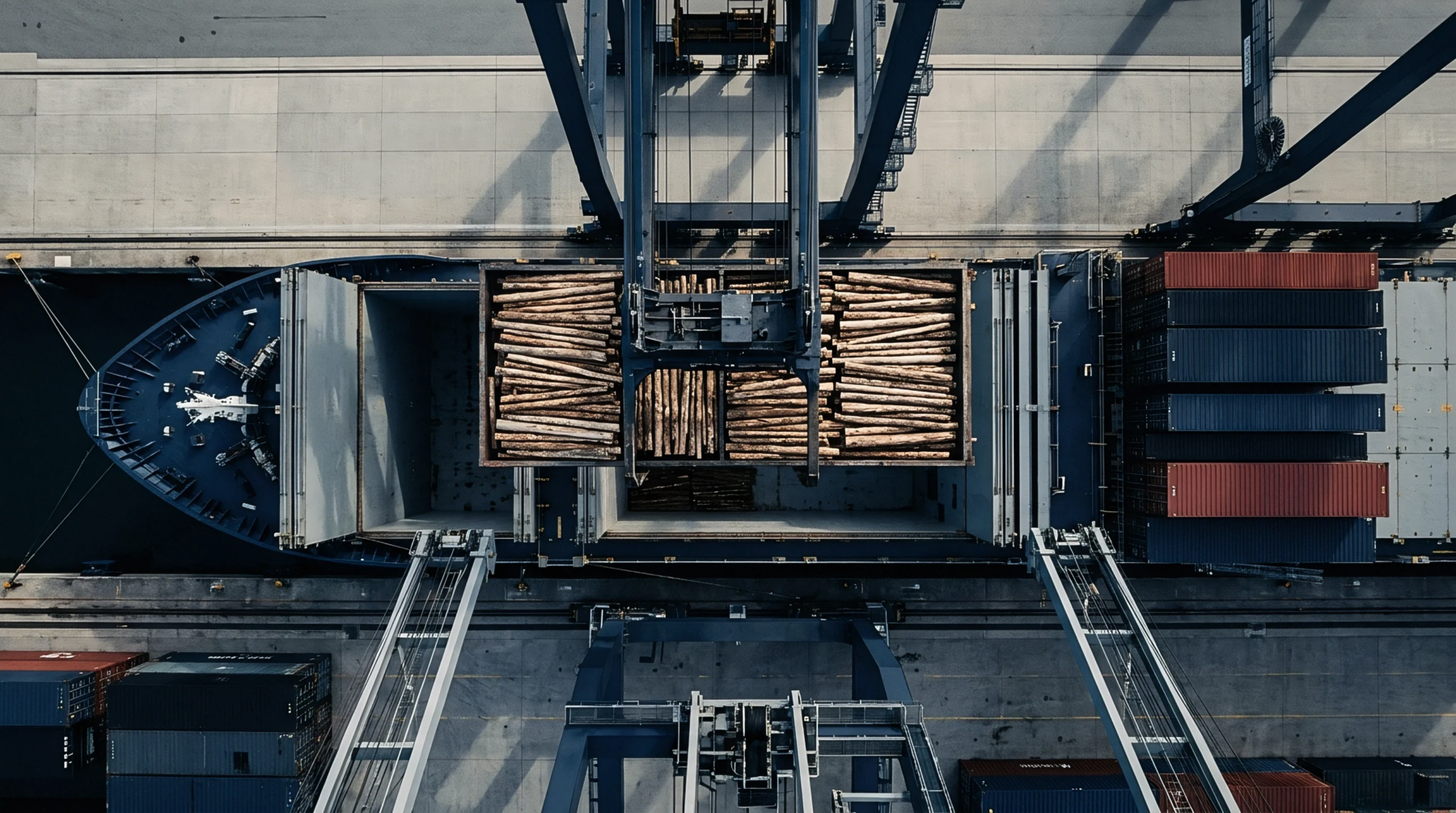
Ocean freight lanes and overland transport corridors move agricultural commodities and mineral ores between Latin American economies and global markets. Export volumes in south american trade depend heavily on bulk agricultural harvests and mining output. Transpacific and transatlantic shipping routes connect key regional ports in Brazil and Chile to industrial hubs in Asia and Europe.
Freight operators adjust vessel deployments based on seasonal crop cycles and commodity demand trends across global markets.
Port Logistics
Infrastructure bottlenecks at deepwater ports and inland transport hubs shape container dwell times and freight costs across regional trade corridors. Vessel draught limitations in river ports like Santos and Buenos Aires require careful cargo loading to navigate seasonal water level changes. Port congestion during peak soybean and coffee export seasons increases vessel waiting times, forcing ocean carriers to apply port congestion surcharges.
Importers manage customs clearance delays by utilizing inland bonded warehouses and regional logistics hubs. Fleet operators deploy specialized refrigerated containers to transport perishable fruit and meat exports to overseas markets.
Tariff Mechanism
Regional trade agreements and national customs regulations govern import tariffs and export duties across South American nations. Trade policy changes impact import volumes of capital equipment and electronics entering local manufacturing sectors. Currency fluctuations in major regional economies alter export competitiveness and landed import costs on short notice.
Bilateral trade protocols simplify customs documentation and reduce border clearance times for intra-regional freight movements. Supply chain managers monitor regulatory policy changes to optimize shipping routes and minimize customs compliance penalties across regional supply chains.