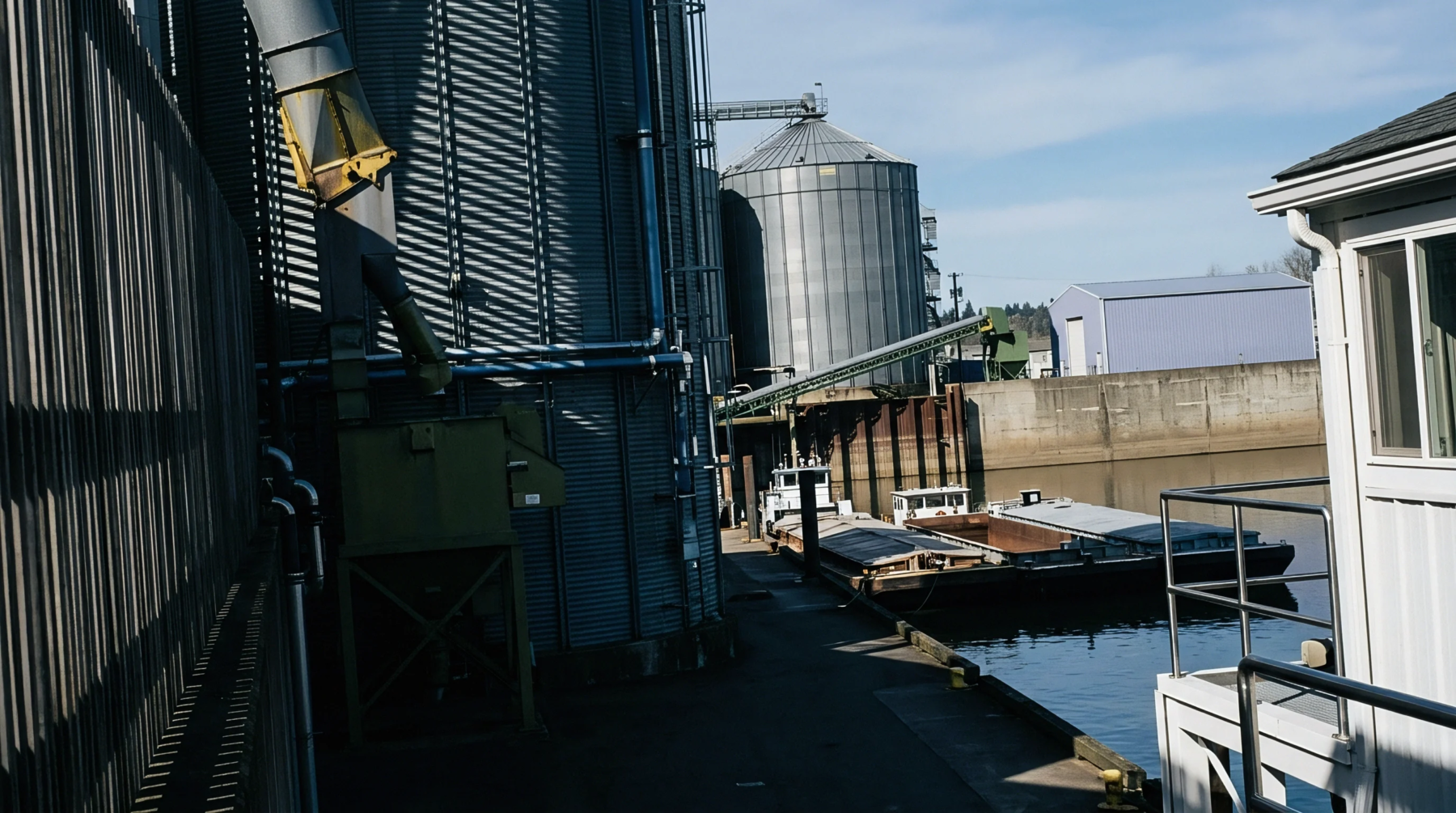
Maritime Connectivity
Ocean shipping corridors linking East and West coast ports of South America to North American and Asian trade partners move raw materials and agricultural exports. Commercial south american trade lanes rely on specialized container services and dry bulk shipping networks to connect regional agricultural hubs with overseas consumers. Liner operators adjust vessel deployments based on harvest cycles and regional import demand for manufactured goods.
Transit times vary significantly depending on canal passage requirements and coastal feeder network schedules.
Port Infrastructure
Coastal gateway ports require deep draft channels and modern container terminal facilities to accommodate large ocean vessels. Infrastructure constraints at regional discharge facilities frequently cause vessel congestion and extended anchorage wait times. Port authorities conduct regular dredging operations to counter coastal siltation and maintain navigable access depths for heavy laden vessels.
Capital investments expand container yard capacities and automated crane operations to accelerate vessel turnarounds. Seasonal weather patterns, such as heavy rains and coastal swells, periodically suspend vessel berthing and cargo handling operations. Feeder networks shuttle containers from smaller river ports to major deepwater hubs for transshipment onto mainlane ocean carriers.
Importers and exporters monitor port productivity indexes to select optimal routing options for time-sensitive cargoes.
Commodity Flow
Export traffic along these maritime routes is dominated by unrefined minerals and agricultural products. Import flows consist predominantly of industrial machinery and consumer merchandise. Imbalanced container flows force ocean carriers to reposition empty containers back to agricultural export regions at substantial repositioning expense.