Falling Amazon River Levels Drive up Manaus Container Surcharges

Low Amazon River levels force carriers to apply surcharges of up to $1,900, raising landed costs for Manaus shipments.
29.08.26 2 min

Briefing

Severe drought across the Amazon basin has prompted major container lines to levy emergency low-water surcharges on cargo moving into Manaus, Brazil. Landed costs for South American imports will jump accordingly, alongside rising risks of rolled bookings or barge transshipment at downstream river terminals. Mediterranean Shipping Company, Ocean Network Express, and Maersk are introducing the surcharges to recoup the expense of running light-loaded vessels and operating feeder barges, adding premiums of up to $1,900 per container.
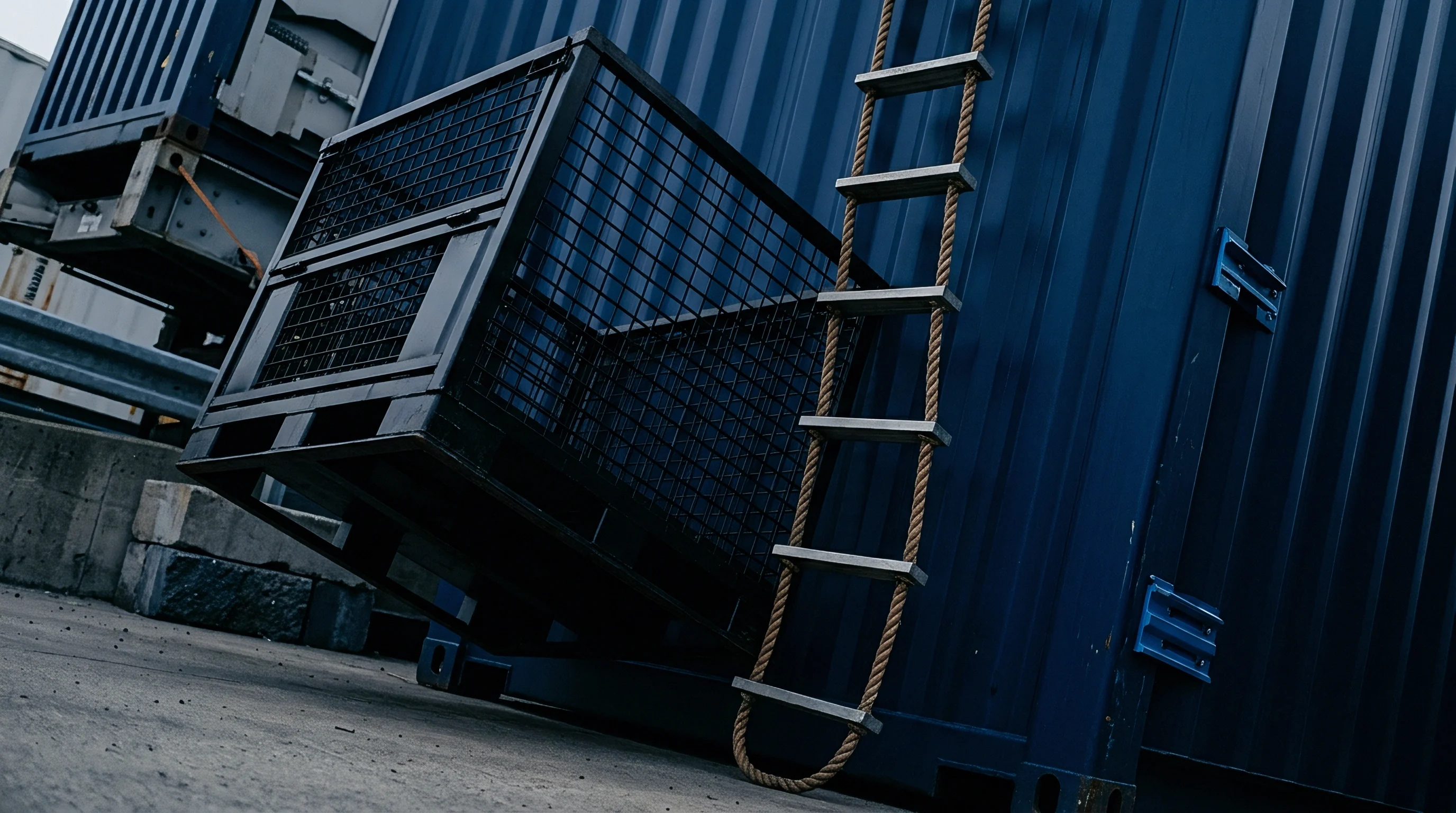
A dark blue corrugated steel shipping container stands behind a black steel mesh pallet cage and a suspended wooden rung rope ladder.

Context

Entering the dry season, cargo owners were already watching river levels for signs of the navigation restrictions that disrupted traffic in recent years. The central issue has been whether waterways regulator ANTAQ and local terminal operators can get temporary floating piers into position fast enough to prevent river corridors from closing entirely.
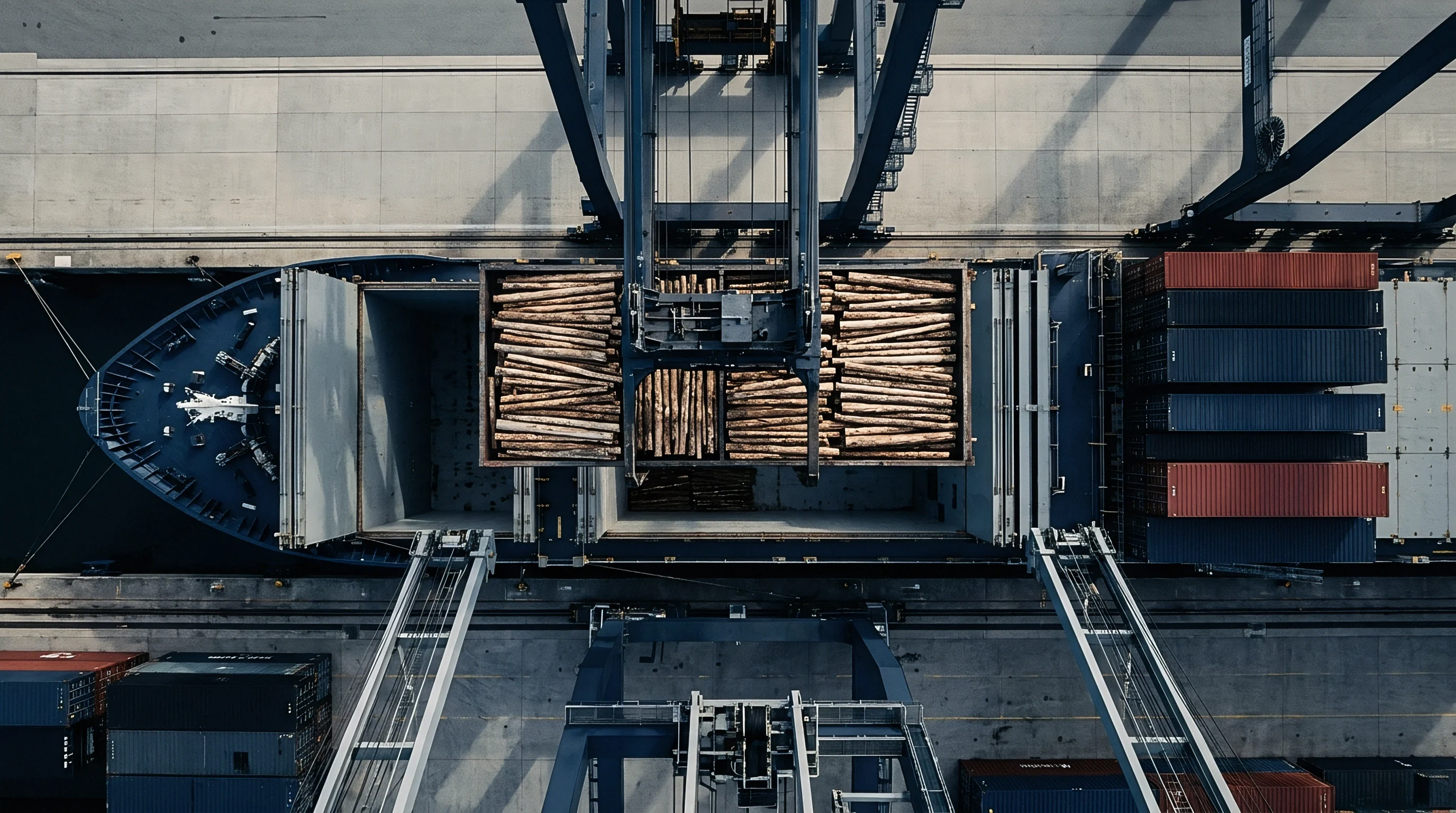
A gantry crane suspends bundles of raw timber logs above an open cargo hold of a bulk carrier docked at a concrete terminal.

Analysis

Draft restrictions along the Rio Negro and the wider Amazon system prevent standard container vessels from sailing at full capacity without risking groundings. Lines must either short-load their ships or offload containers downriver at hubs such as Itacoatiara, shuttling boxes onward via shallow-draft barges. Shifting freight onto secondary craft multiplies terminal handling, fuel, and pilotage expenses, which carriers are passing directly to shippers through structured low-water surcharges on inbound bills.

A circular industrial clock with a minimal face mounts directly onto a dark metal shipping container beneath a weathered steel beam.

Parameters

  • Maximum Reefer Surcharge ~ $1,900 per refrigerated container announced by MSC for Manaus-bound shipments.
  • MSC Dry-Box Charge ~ $1,400 per dry container applied to shipments starting in September.
  • Ocean Network Express Surcharge ~ $1,458 per container for imports starting September 15.
  • Maersk Dry Container Levy ~ $1,228 per container applied from September for cargo from Asia and Europe.
  • ANTAQ River Trigger ~ 17.7 meters, representing the official water-level threshold monitored on the Rio Negro.
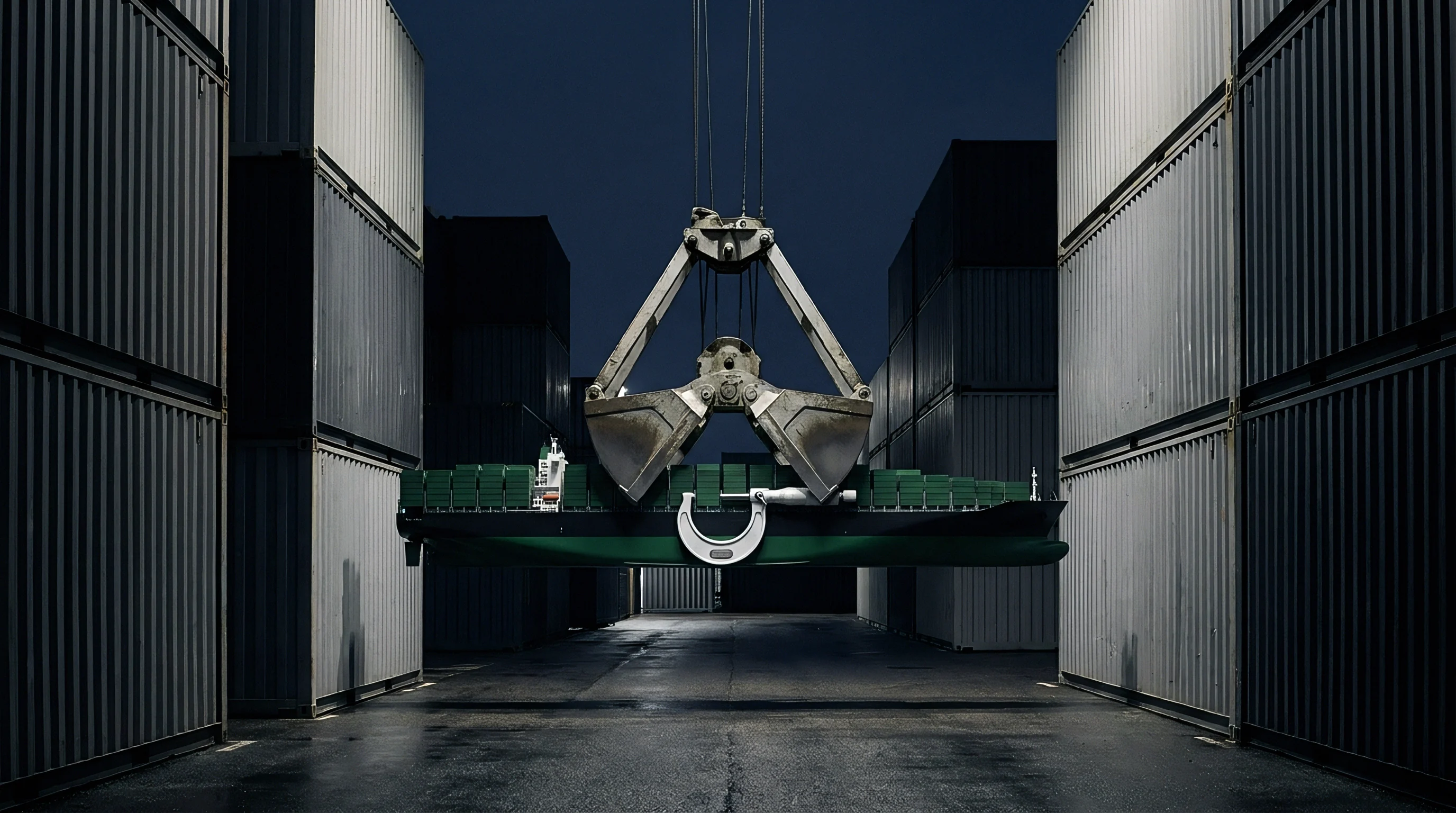
A digital render shows an industrial crane lifting a model cargo vessel between towering steel shipping containers inside a dark terminal warehouse.

Outlook

Shippers face lengthening transit times and higher rollover rates as low-water conditions deepen through October and November. The immediate date on the calendar is September 15, when Ocean Network Express activates its surcharge if the Rio Negro drops below its trigger level. Water gauges at the Port of Manaus warrant daily scrutiny; once depths drop past operating minimums, the problem shifts from costly surcharges to stalled river traffic.

An empty glass vessel rests atop a piece of folded denim fabric within a dark office setting featuring shelves of files and digital market monitors.

Verdict

Budget forecasts for Q3 and Q4 Manaus shipments need immediate revision to absorb low-water surcharges reaching $1,900 per container, while space on remaining sailings should be locked in before draft constraints cut further into vessel allocations.

Signal Acquired from: Splash247

Nomenclature

Low Water Surcharges

Freight Mechanism ~ Compensatory pricing mechanisms applied by inland waterway carriers recover revenue lost when shallow river channels restrict vessel loading capacities.

Dry Season Logistics

Transport Framework ~ Inland waterway freight management operates under seasonal hydrological constraints that reduce river depths and restrict barge payloads during extended dry periods.

Landed Cost Analysis

Fiscal Boundary ~ Total landed cost analysis computes the comprehensive expenditure of acquiring goods from source factories through final warehouse placement.

Barge Shipping Capacity

Available Tonnage ~ Total cargo volume capacity across active inland waterway vessels determines barge shipping capacity on regional river networks.

Inland River Barge Transport

Freight Movement ~ Moving heavy commodities along natural and artificial inland waterways relies on inland river barge transport to connect remote extraction sites with coastal hubs.

Container Shipping Surcharges

Tariff Mechanics ~ Container shipping surcharges function as variable fees added to base ocean freight rates by carriers to recover fluctuating operational costs or address specific handling requirements.

Transshipment Port Operations

Logistical Intermediate ~ Transferring containers between ocean vessels constitutes transshipment port operations.

Maritime Cargo Routing

Navigation Pathway ~ Ocean freight carriers determine optimal sea paths between origin ports and discharge destinations based on vessel draft, weather conditions, canal dimensions, and fuel efficiency targets.

Transit Draft Restrictions

Navigational Limit ~ Maximum vessel submergence depth defines the physical clearance parameter for safe operation within restricted waterways.

Terminal Draft Limits

Depth Boundary ~ Maximum allowable distance between the waterline and the bottom of a ship's hull determines which loaded vessels can safely enter and berth at a specific port facility.

Inland Waterway Transport

River Navigation ~ Navigable river networks offer lower energy consumption per ton-kilometer compared to road or rail logistics networks.

River Freight Logistics

Inland Navigational Capacity ~ Inland waterways facilitate the transport of bulk commodities through a sequence of designated river ports and dredged channels.

What the firm knows, published

Expertise is a utility, not a secret. sentiention™ publishes its working knowledge as open reference: intelligence layer covering the materials it sources, the markets it enters, and the reference that serves both.