Freight Movement
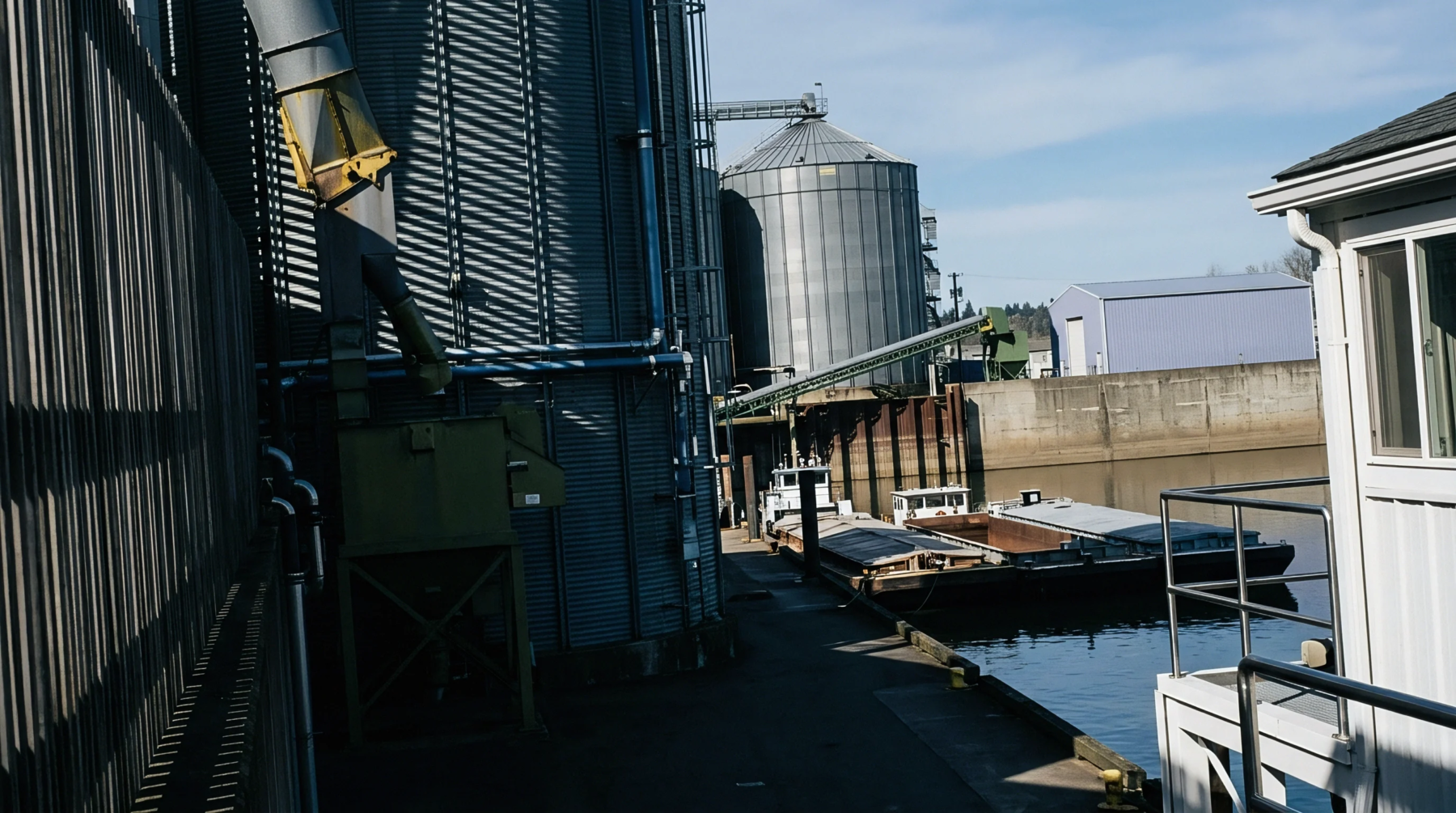
Moving heavy commodities along natural and artificial inland waterways relies on inland river barge transport to connect remote extraction sites with coastal hubs. Specialized vessels draft shallow depths while carrying massive bulk volumes down narrow channels. Operations depend heavily on seasonal water levels and lock availability.
Low precipitation drops channel depths severely and restricts cargo capacity per vessel. Conversely, heavy spring runoff creates swift currents that increase transit times and fuel consumption. Commercial analysts track weekly barge counts and draft restrictions as leading metrics for grain and coal logistics.
Shippers monitor towboat availability and spot market freight rates to optimize supply chains ahead of seasonal bottlenecks. Regional demand shifts alter draft requirements and towing configurations across connected river systems. Seasonal dredging schedules maintain navigable channels against continuous silt accumulation.
Fleeting operations assemble multiple barges into massive tows before mainline transit begins.
Capacity Constraint
River networks experience severe bottlenecks at specific lock chambers due to aging infrastructure and high commercial demand. Delays at bottleneck locations increase transit times and push spot freight rates upward across the entire waterway corridor. Commercial operators adjust tow sizes when draft restrictions force partial loading across shallow river sectors.
Shippers absorb higher logistics costs during low water periods because reduced vessel payloads require additional barge deployments to move identical tonnage. Port authorities publish daily river gauges to help operators plan maximum safe loading depths. Market participants evaluate daily fleeting reports and lock queue durations to anticipate regional supply shifts.
Analysts distinguish between baseline draft limits and emergency closures caused by mechanical failures at aging lock gates.
Market Valuation
Spot freight rates respond directly to daily changes in vessel supply and available cargo tonnage along major river corridors. Traders evaluate weekly freight indices alongside agricultural export volumes to price delivered commodities accurately. Barge brokers negotiate contract rates based on seasonal weather forecasts and predicted grain harvest volumes.
Industrial buyers track towboat utilization metrics to anticipate wholesale material delivery delays. Higher fuel prices immediately increase operating expenses for towing companies because diesel consumption scales directly with against current transit speeds. Supply chain managers compare river transport costs against rail tariffs to determine optimal shipping routes for bulk commodities.
Market participants revise quarterly logistics budgets whenever prolonged drought conditions restrict channel navigation.