River Navigation
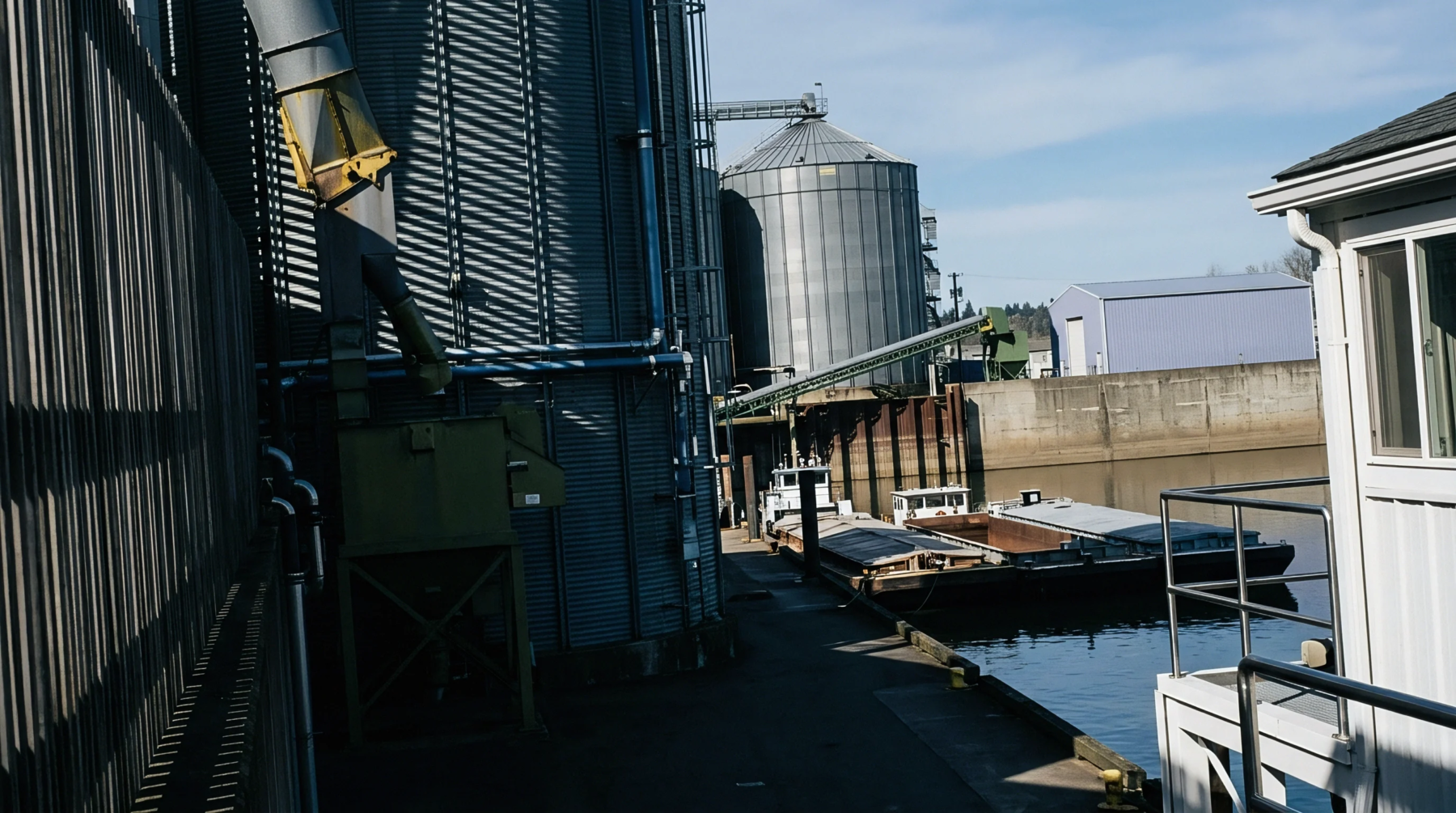
Navigable river networks offer lower energy consumption per ton-kilometer compared to road or rail logistics networks. Commercial inland waterway transport moves bulk commodities such as coal and agricultural grains via push barges and self-propelled vessels. Shallow draft channels restrict vessel transit during dry periods, whereas spring floods alter channel depths and bridge clearances.
Captains monitor river gauge levels and lock availability to plan daily transit schedules.
Barge Capacity
Cargo intake on river barges depends directly on seasonal draft restrictions and hydrographic channel surveys. Waterway authorities publish minimum draft depth advisories that force operators to reduce cargo loading below nominal deadweight limits. Light-loading a barge fleet increases unit shipping costs because more towboats and crews are required to move identical cargo volumes.
During extreme low-water conditions, operators implement draft allowances that cap loading depth at strict thresholds. Barges operating under light-loaded conditions experience altered stability characteristics that require precise ballast arrangement. River locks introduce queuing delays when traffic density exceeds lock chamber throughput capacity.
Dredging operations maintain commercial channel depths, though siltation rates continuously alter navigable river passages.
Multimodal Interface
Transshipment terminals connect river barges directly to rail sidings and deepwater ocean ports. Equipment such as gantry cranes and continuous barge unloaders accelerate cargo discharge operations. Efficient terminal operations prevent vessel congestion and reduce overall supply chain transit times.