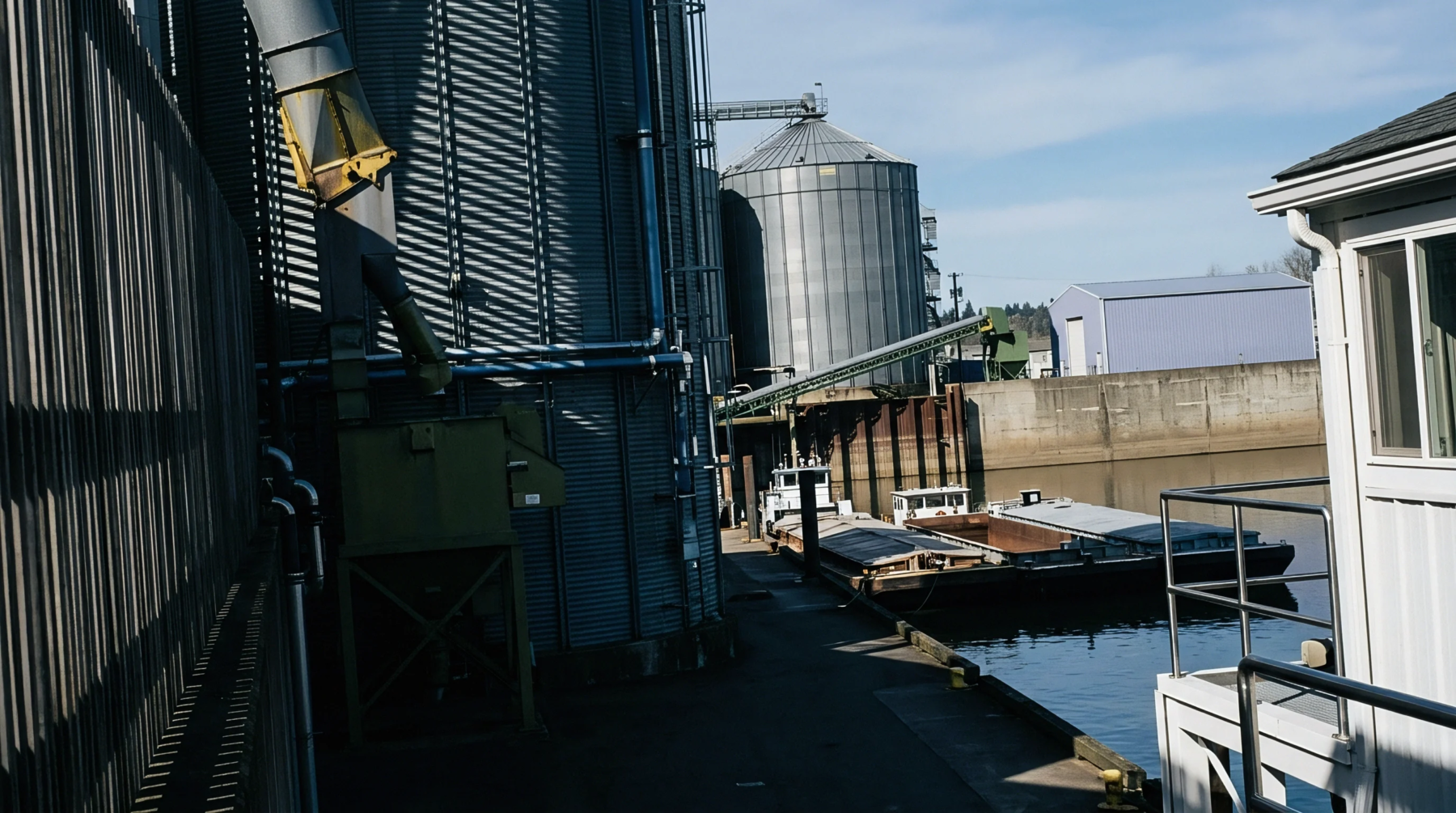
Inland Navigational Capacity
Inland waterways facilitate the transport of bulk commodities through a sequence of designated river ports and dredged channels. River freight logistics governs these movements by coordinating vessel schedules with seasonal depth variations and lock availability. Hydrological data determines the operational constraints for barge drafts because lower water levels restrict the tonnage a single unit carries.
Fixed infrastructure components such as bridges and locks define the physical limits of the equipment utilized during transit.
Operational Efficiency
Regional distribution networks rely on this sector for moving low value density products including grain, coal and sand. Economic performance within the industry depends upon balancing the slow transit speed against the lower cost per tonne compared to rail or road haulage. Demand for these services shifts alongside seasonal agricultural output cycles and regional infrastructure projects requiring high volumes of raw material.
Fuel efficiency gains remain the primary driver for technological upgrades to push boat engines and hull designs. Operators manage inventory positioning by aligning water levels with specific shipping windows to prevent stranded assets during dry spells.
Market Variability
Commodity pricing reflects the additional costs incurred when cargo requires transshipment to alternative transport modes during low water events. Supply chain managers evaluate the risk of route closures against the cost of maintaining larger buffer stocks at river terminals. Fluctuating fuel prices exert pressure on profit margins because diesel consumption for heavy barge movement remains high.
Long term contracts often contain clauses regarding surcharges tied to environmental conditions and depth readings. Market participants prioritize reliability over speed to reduce the uncertainty of arrival times at downstream factories. Seasonal water flow patterns dictate the annual viability of high volume trade corridors.