Surging Coal Tar Feedstocks Drive US Carbon Black Pricing Upward
Rising coal tar costs push US carbon black prices to $1,575 per ton, squeezing margins for industrial rubber buyers.

Briefing
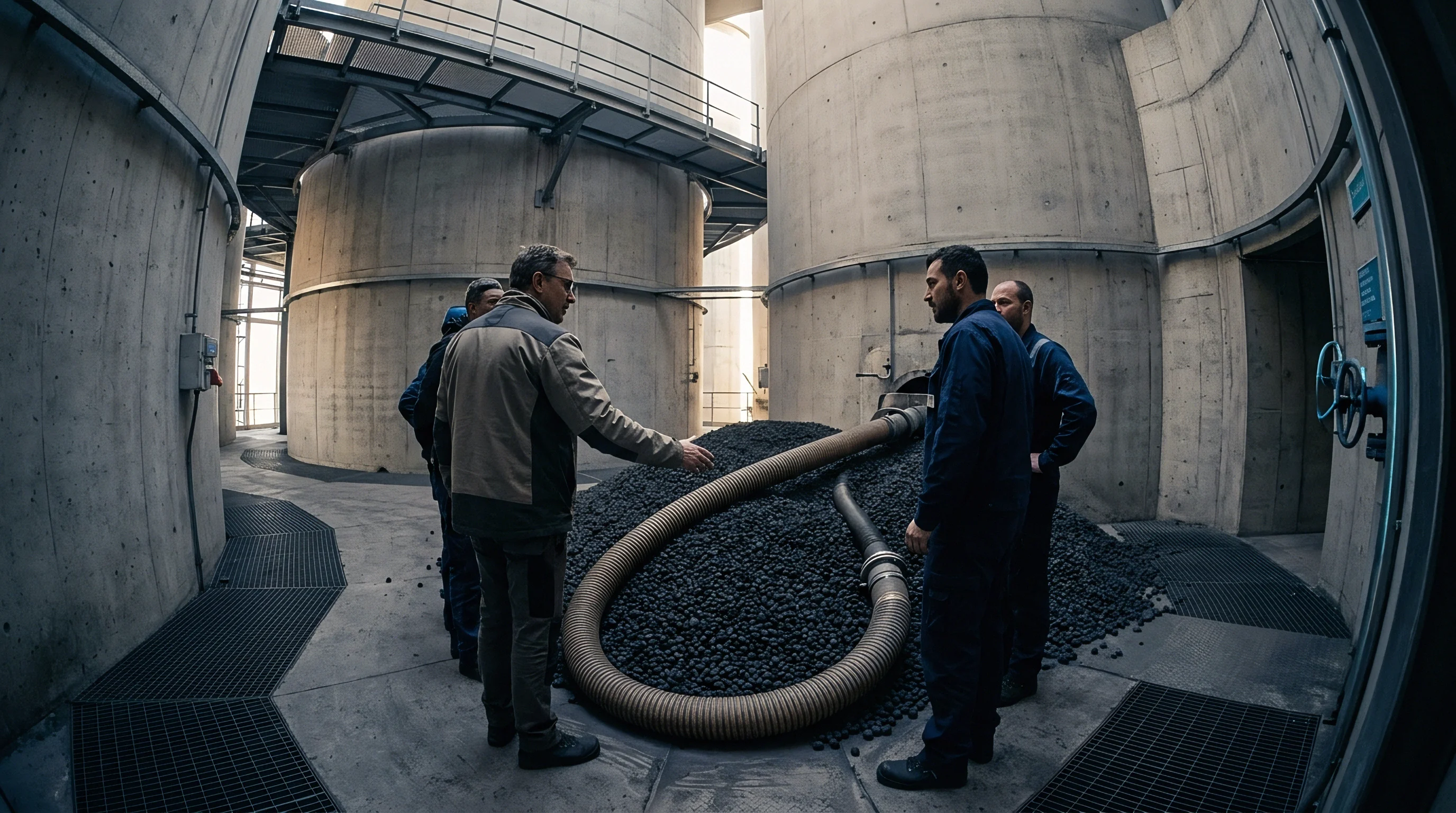
United States carbon black prices surged as rising coal tar feedstock costs and tight regional allocations squeezed buyer margins and limited spot availability. This pressure breaks a year of predictable pricing for industrial buyers, leaving compounding plants with higher raw material bills. Regional average prices reached 1,575 dollars per metric ton.

Context
Before this upward trend, procurement desks operated on the assumption that carbon black markets would stay stable and liquid. The central question was whether steady domestic tire assembly rates would let inventories accumulate enough to drag prices back down.

Analysis
The rally starts at the furnace feed line, where rising coal tar costs pushed up production expenses alongside a broader 5.5 percent year-over-year increase in the domestic industrial producer price index. That cost pressure moves downstream through the furnace black process, which turns heavy coal-tar distillates into reinforcing powder. Manufacturers kept furnace operating rates high to cover contractual commitments, but that left minimal supply for spot market buyers. Sourcing teams hunting for uncontracted volume now face tight regional allocations and competing demand from overseas buyers.

Parameters
- Average Carbon Black Price ~ 1,575 dollars per metric ton representing the Gulf-Coast spot and contract baseline for the second quarter of 2026.
- Price Increase ~ 8.77 percent quarter-over-quarter growth in the domestic price index for the material.
- Industrial Feedstock Inflation ~ 5.5 percent year-over-year rise in the manufacturing producer price index, driving higher floor costs.
Outlook
Over the coming weeks, buyers should track coal tar feedstock spot indices and domestic furnace operating rates to gauge whether price increases will subside. Sourcing teams need to monitor upcoming autumn contract negotiations, as persistent regional allocations will determine if these elevated cost baselines carry over into the next fiscal year.

Verdict
Procurement desks must secure long-term contractual volume allocations to shield their polymer compounding lines from volatile, feedstock-driven spot price spikes.