Rising Coal Tar Costs Elevate Global Carbon Black Sourcing Budgets

High-temperature coal tar supply deficits drive carbon black prices upward, forcing rubber and tire buyers to absorb higher costs.


29.08.26 2 min

Briefing

A tight supply of high-temperature coal tar has driven up global carbon black prices, forcing procurement teams to recalculate baseline costs on tire and industrial rubber contracts. Coking plant cutbacks have restricted furnace feedstock just as downstream converters hit mandatory replenishment cycles, lifting production costs across major manufacturing hubs. Spot benchmarks for standard N220 grade carbon black reached 8,864.29 yuan per ton, up 21.93 percent year on year.
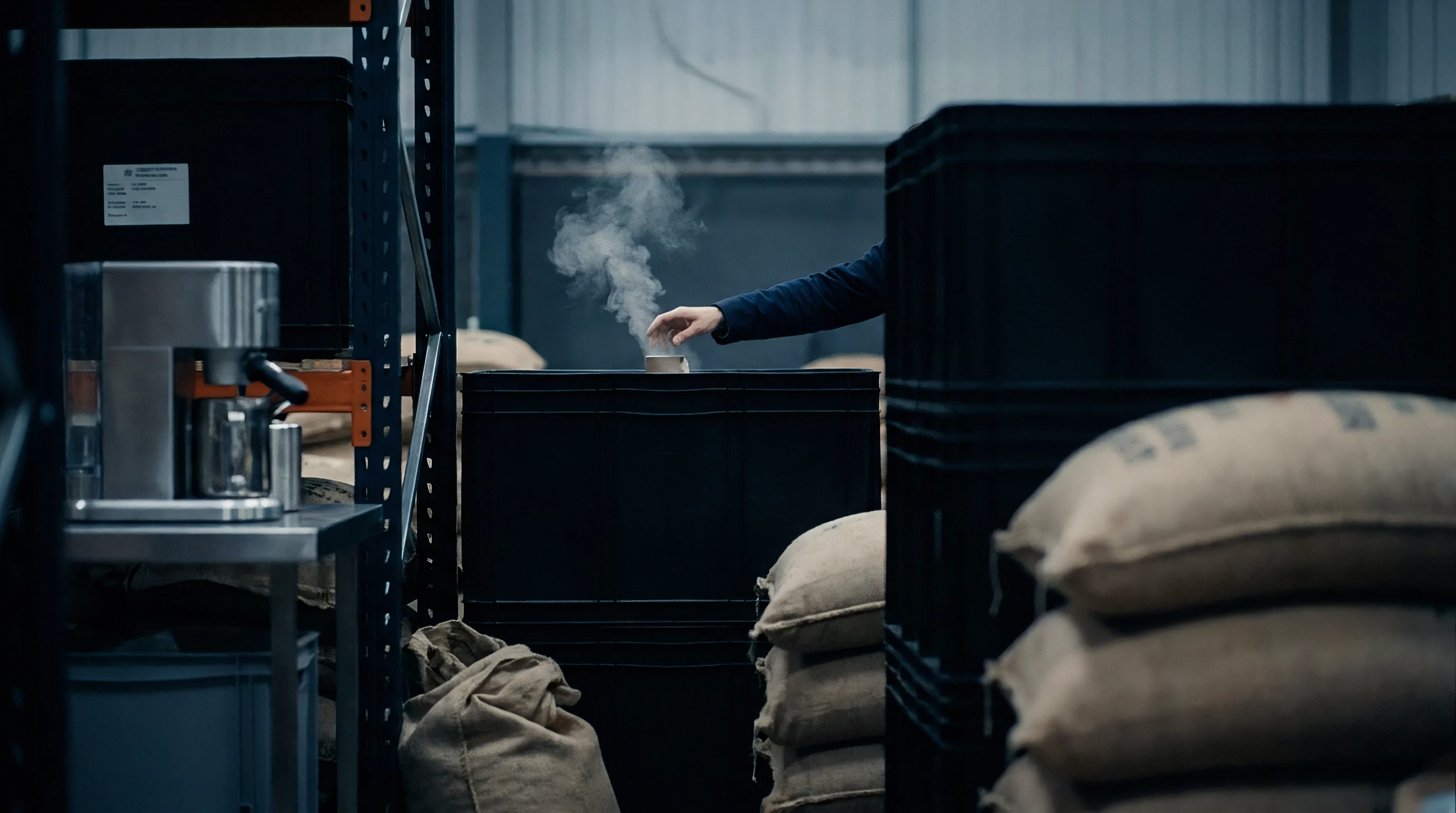
Raw jute sacks of agricultural commodities rest beside black plastic crates inside a spacious industrial warehouse during inventory processing.

Context

Procurement desks had counted on a seasonal slowdown in automotive tire assembly to yield softer pricing for bulk chemical inputs. With replacement tire demand cooling and regional inventories relatively high, buyers expected carbon black producers to offer concessions. That outlook assumed upstream raw material supplies would remain steady enough for chemical plants to run near capacity without absorbing margin pressure from their own suppliers.

Blue coated steel industrial enclosure panels feature a welded metal duct connection secured beside vertical structural framing inside a production facility.

Analysis

The rally stems directly from a shortage of high-temperature coal tar following lower run rates at coking facilities. Because furnace carbon black relies heavily on this feedstock, producers are competing for shrinking volumes. Regional coal tar prices climbed to 4,370 yuan per ton, sharply lifting manufacturing costs.

To defend narrowing margins, carbon black producers have raised their spot offers, leaving buyers with higher quotes and tighter credit terms on upcoming orders regardless of end-market demand.
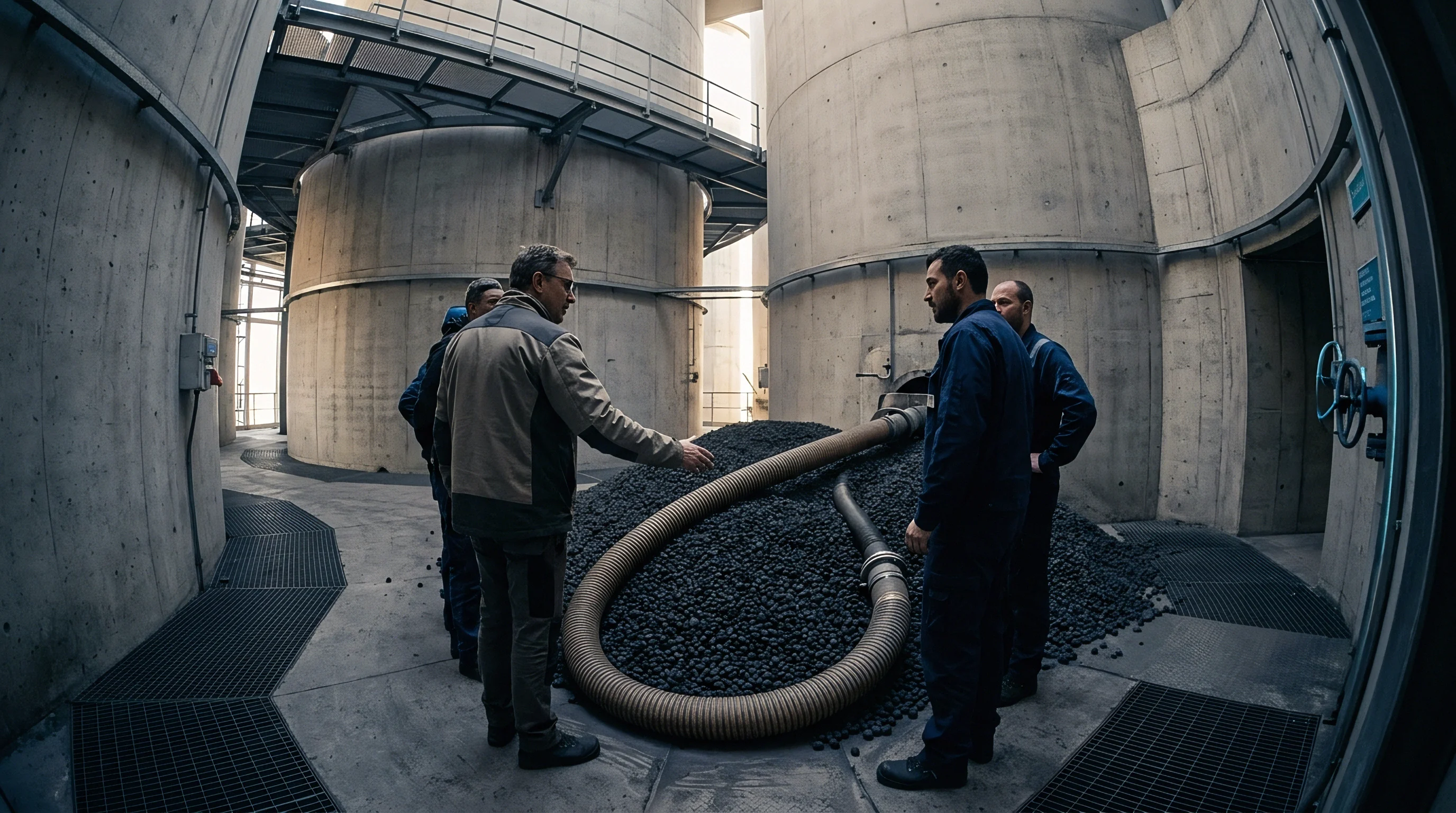
Industrial operators inspect a pile of processed carbon raw material fed by flexible hoses within a concrete silo facility.

Parameters

  • Coal Tar Cost ~ High-temperature coal tar transactions reached 4,370 yuan per ton, lifting feedstock baselines.
  • Carbon Black Index ~ Standard N220 spot price reached 8,864.29 yuan per ton, up 4.46 percent week-over-week.
  • Quarterly Rise in Europe ~ German carbon black prices rose 20.32 percent quarter-over-quarter amid regional supply constraints.
  • Domestic Spot Index Value ~ The domestic carbon black price index reached 8,081.5 points on August 27, up 285 points from the previous week.

A heavy cast metal industrial hinge mechanism stands mounted on a concrete floor inside a high bay fulfillment warehouse facility.

Outlook

Pricing pressure will likely persist through the fourth quarter while feedstock deficits remain unresolved. Procurement teams should watch weekly auction settlements for high-temperature coal tar in key coking hubs. Lower auction prices will signal margin relief for producers, while further gains will extend the current carbon black rally into the winter compounding cycle.

An illuminated data display module containing ascending wooden height blocks stands on a concrete industrial lock platform above dark water channels.

Verdict

Buyers must secure volume commitments now and prepare for higher contract baselines as feedstock deficits keep carbon black prices elevated.

Signal Acquired from: SunSirs

Nomenclature

Industrial Carbon Pigments

Colorant Market ~ Industrial carbon pigments provide tint strength and ultraviolet absorption across automotive coatings and thermoplastic masterbatches.

Coking Industry Output

Production Metric ~ Production volumes of refined metallurgical coke track the operational state and furnace feed rate of primary iron and steel manufacturing.

Manufacturing Supply Chains

Structural Vector ~ Component integration defines manufacturing supply chains across global trade channels.

Bulk Chemical Sourcing

Procurement Framework ~ Industrial acquisition of large-volume liquid or dry raw materials relies on long-term contract structures and dedicated logistics assets to secure steady production inputs.

Industrial Rubber Supply

Procurement Flow ~ Bulk elastomer products function as the primary material input for manufacturing, sealing, and vibration damping across heavy mechanical systems.

Downstream Rubber Consumption

Demand Indicator ~ Material utilization metrics track the volume of raw polymers processed into finished industrial goods during a fiscal quarter.

Spot Market Procurement

Price Discovery ~ Unmediated transaction execution occurs when purchasing departments acquire immediate inventory directly through current market pricing rather than long term contract channels.

Carbon Black Pricing

Valuation Model ~ Market valuation of furnace-grade elemental carbon materials operates on a structured index system driven by feedstock oil costs and regional environmental compliance charges.

Chemical Feedstock Costs

Financial Metric ~ Production expenditures for raw materials drive chemical feedstock costs across heavy manufacturing supply chains.

Furnace Black Process

Carbon Conversion ~ High-temperature reactor thermal degradation forms the foundation of the furnace black process, producing finely divided carbon particles from heavy residual aromatic feedstocks fed continuously into an oxygen-depleted combustion chamber.

High-Temperature Coal Tar

Thermal Yield ~ Industrial carbon recovery yields high-temperature coal tar as a dense liquid byproduct recovered during the destructive distillation of bituminous coal in slot ovens.

Supply Squeeze Mitigation

Inventory Balancing ~ Planned adjustments to procurement cycles and production rates prevent supply squeeze mitigation from forcing sudden price spikes or stock shortages during periods of constrained output.

What the firm knows, published

Expertise is a utility, not a secret. sentiention™ publishes its working knowledge as open reference: intelligence layer covering the materials it sources, the markets it enters, and the reference that serves both.