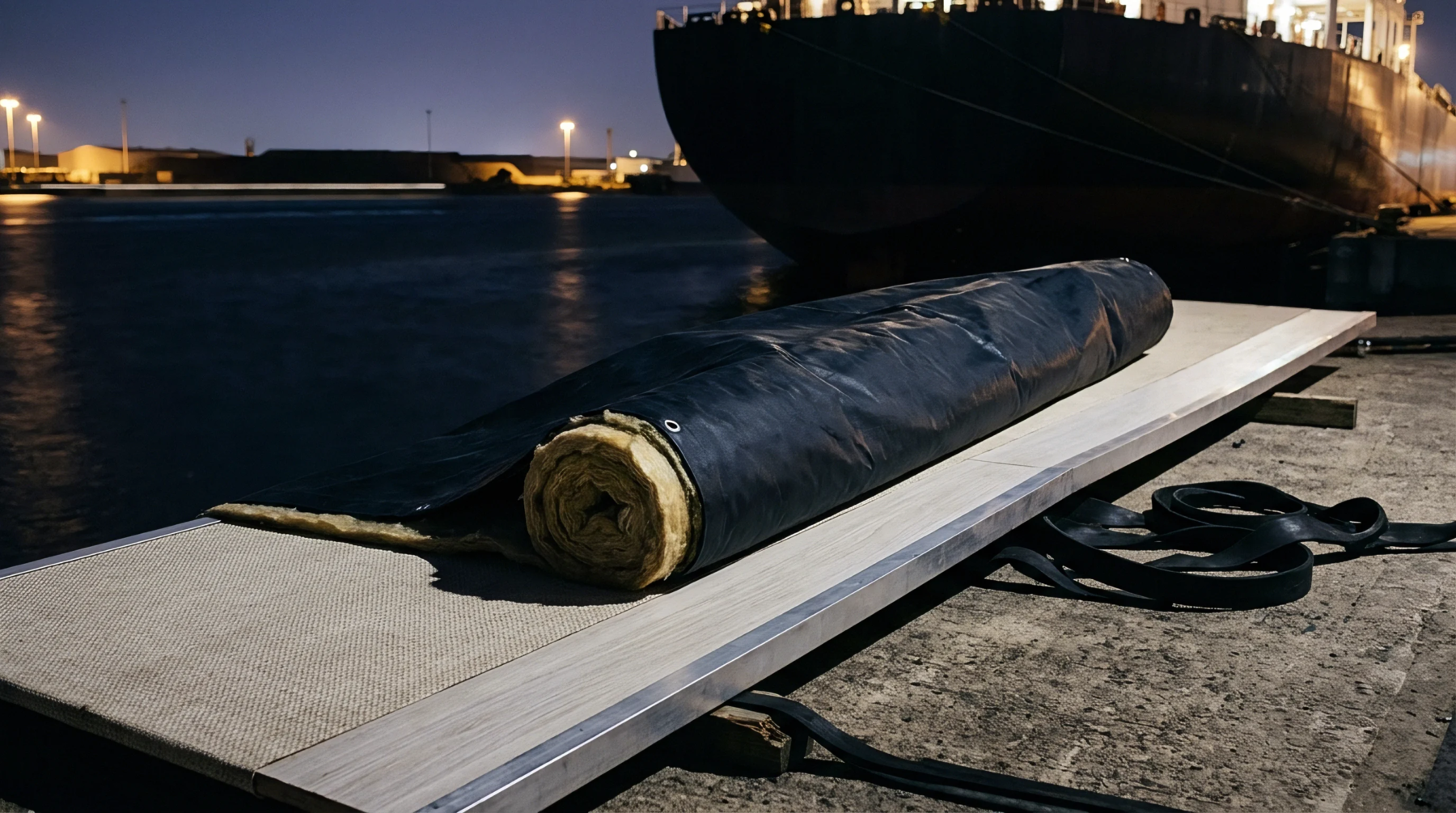
Procurement Flow
Bulk elastomer products function as the primary material input for manufacturing, sealing, and vibration damping across heavy mechanical systems. Industrial rubber supply systems manage the movement of synthetic and natural polymers from chemical synthesis plants to factory floors. These distribution channels maintain the steady availability of vulcanized compounds and raw hose components required for continuous production cycles.
Regional distributors hold specific inventories to mitigate lead times for firms that rely on just in time delivery schedules.
Material Specification
Engineering requirements dictate the chemical composition and thermal resistance of components sourced through this industrial rubber supply pipeline. Technical teams cross reference hardness ratings and tensile strength metrics against the operational environments of specific machinery. Synthetic varieties such as nitrile or neoprene offer chemical resistance for fluid handling, whereas silicone variants provide stability under extreme temperature fluctuations.
Failure to align elastomer properties with mechanical load results in rapid seal degradation or fatigue in conveyor belt systems. The lifecycle of these materials depends on proper storage away from ultraviolet light and ozone sources to prevent premature oxidation before installation.
Market Volatility
Commodity price shifts for crude oil and natural gas directly influence the unit cost of polymers produced within the sector. Global demand for automotive parts and infrastructure maintenance often drives the procurement volume of an industrial rubber supply chain. Large scale buyers mitigate risk through fixed term contracts that lock in unit pricing for defined quantities over several quarters.
Smaller operations rely on spot market pricing, which fluctuates based on shipping logistics and factory output levels. Production schedules in the manufacturing sector dictate the rhythm of these procurement cycles.