Schedule Variance
Deviations between planned transportation timetables and actual shipment arrival times measure operational friction across international freight networks and domestic distribution corridors. Operational transit delays accumulate when cargo movements encounter marine terminal congestion, rail ramp dwell times, border customs clearance inspections, mechanical vehicle breakdowns and severe weather disruption. Logistics analysts track schedule variance metrics using global positioning data, automated electronic data interchange vessel milestone events and motor carrier electronic logging records.
Extended transit durations disrupt manufacturing assembly schedules, force industrial facilities to increase costly safety stock inventories and trigger missed retail promotion sales windows. Shippers assess freight forwarder on-time performance metrics and carrier schedule reliability indices to optimize route selection and select dependable transport partners across ocean, rail, air and road freight modes.
Chokepoint Friction
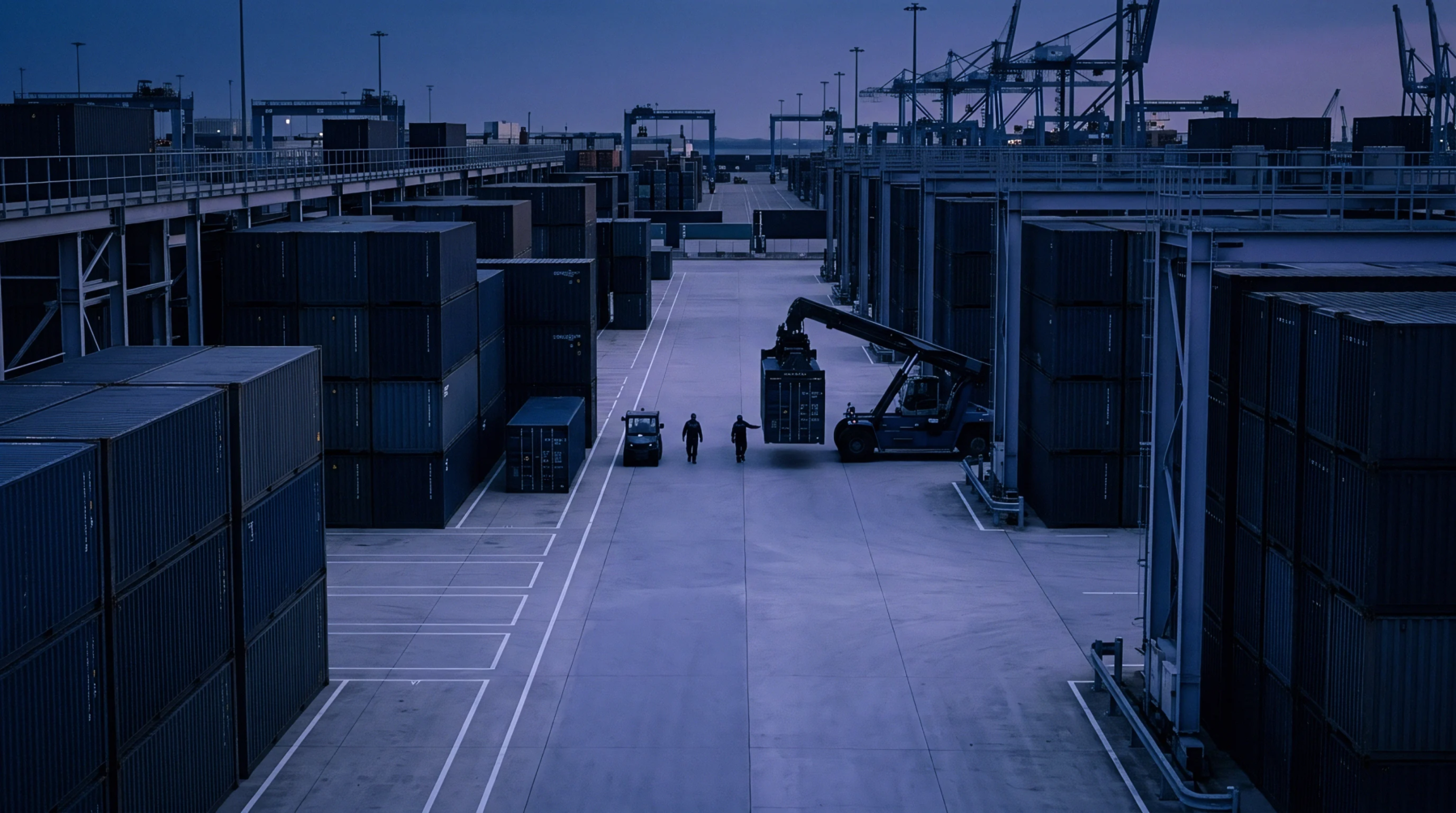
Bottlenecks at major intermodal transfer points, canal locks and international border crossings cause compounding schedule variances across multi-leg supply chain journeys. When an ocean container vessel arrives late at a primary marine gateway, missed intermodal train connections and rescheduled truck delivery appointments multiply original transit delays throughout the interior distribution network.
Cost Liability
Commercial transport contracts establish specific legal liability allocations, demurrage assessments, detention billing schedules and storage fee calculations associated with cargo delivery delays. Standard international carriage conventions like the Hague-Visby Rules and the Montreal Convention limit carrier monetary liability for general cargo delivery delays unless the shipper proves gross commercial negligence or negotiated specific guaranteed delivery performance clauses. Transit delay accounting ends once freight containers pass through terminal exit gates, complete unloading at the final delivery warehouse dock and obtain clean delivery receipts from receiving warehouse personnel.