Logistics Infrastructure
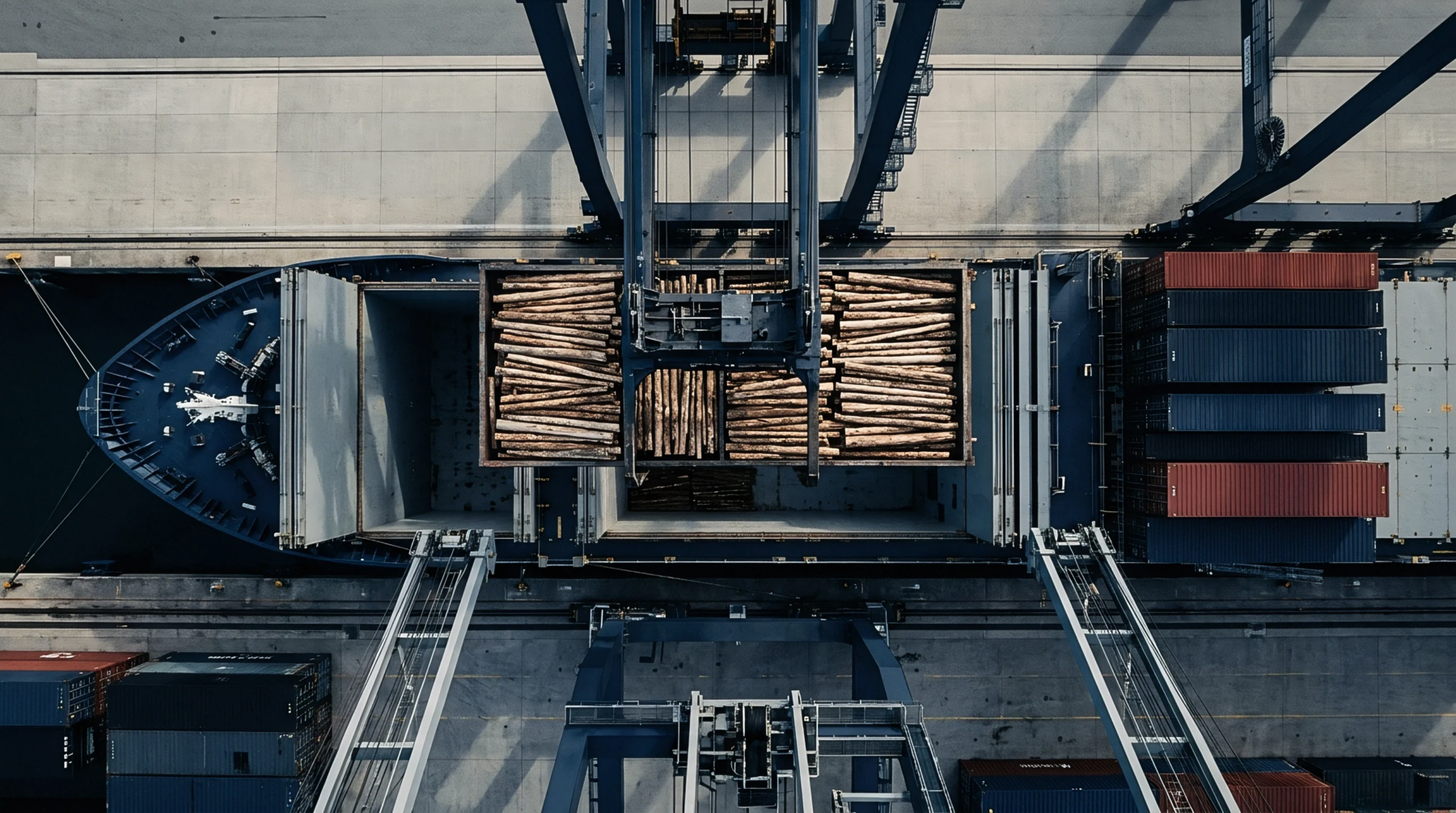
Maritime supply chains represent the physical and organizational networks moving goods between international production sites and domestic consumption markets via ocean vessels. Through these maritime supply chains, raw commodities and finished containers flow across borders following schedules dictated by port availability and vessel capacity. Intermodal connectivity defines the boundary of these movements as the cargo transitions from deep sea transit to rail or truck transport upon arrival at a terminal.
Efficiency governs the velocity of this transit since equipment availability and berth congestion determine the duration of each voyage. Delays in vessel docking create ripples throughout the inland distribution network, stalling regional production lines.
Network Interdependency
Operators manage these maritime supply chains by balancing vessel deployment against fluctuating freight demand across specific trade lanes. Carriers adjust sailing speeds or alter routes to minimize fuel consumption while meeting contracted delivery windows. Port authorities coordinate tug services and pilotage to prevent bottlenecks that stall the movement of bulk or containerized goods.
Terminal operators track yard density to ensure offloaded units move quickly toward warehouses or assembly plants. When labor shortages or equipment failures occur, container dwell times increase and force systemic rate adjustments. Higher transit costs follow these disruptions because shippers pay premiums for faster priority berthing.
Vessel size limits the intake at smaller regional facilities, forcing a reliance on feeder services that move cargo from transshipment hubs. Economic volatility shifts the volume of goods carried on these routes, requiring frequent recalculation of fleet allocation.
Operational Exposure
Market participants monitor maritime supply chains to gauge the stability of global inventory levels and wholesale pricing trends. Financial planners analyze carrier capacity reports to forecast potential shortages in retail stocks during periods of peak seasonal demand. Regulators evaluate the concentration of shipping lines to prevent anticompetitive behavior in pricing or service scheduling.
Investors track bunker fuel costs as a proxy for the operational expenses incurred during long haul voyages. Decisions regarding inventory management depend upon the reliability of these ocean transit times. Consistent delivery schedules stabilize downstream manufacturing costs by reducing the need for expensive buffer stocks.
High volatility in transit times weakens the correlation between production schedules and market supply.