Production Resource
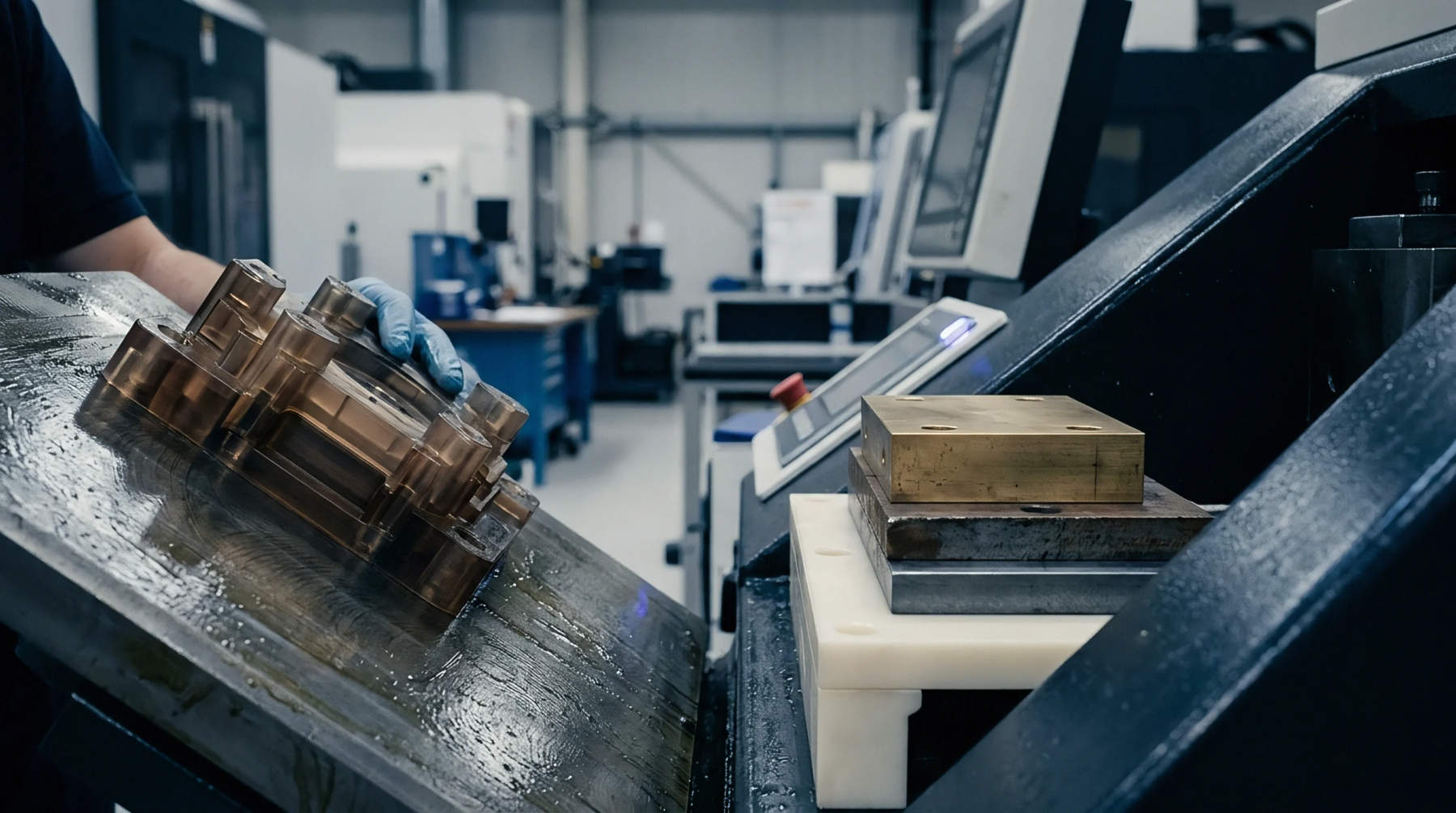
Raw substances and components measured for their quality and volume before entering a production line constitute this category. Selection of material inputs determines the final quality and durability of the output. These components include ores, chemicals, textiles and metal alloys.
In a circular economy, recycled or bio-based alternatives are increasingly favored.
Supply Chain Integration
Coordination between procurement and production planning ensures that the right quantity of goods arrives at the factory floor. Monitoring material inputs requires tracking lead times and supplier reliability. Global trade flows influence the availability of specialized alloys or rare chemicals.
When a shortage occurs, manufacturers may need to qualify new sources or reformulate their processes. Quality control teams inspect incoming shipments to verify that they meet the agreed specifications. This inspection prevents defective components from entering the assembly line where they could cause expensive failures.
Cost Structure
Financial performance depends heavily on the price stability of these primary goods. Expenses related to material inputs often constitute the largest portion of the total manufacturing cost. Price indexes for commodities help firms hedge against sudden increases in the price of metals or plastics.
Long-term contracts can provide a buffer against the volatility seen in spot markets.