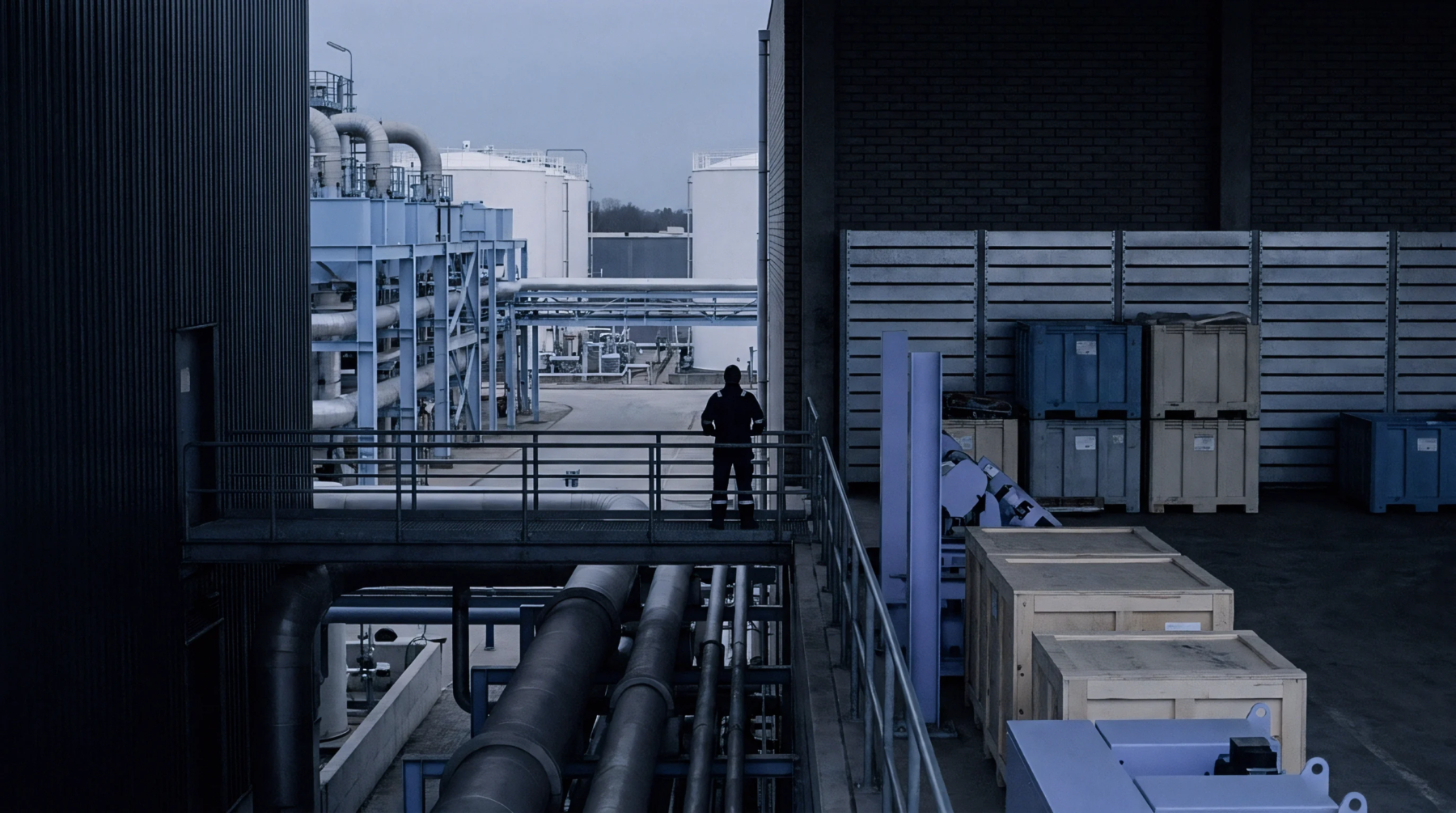
Supply Bottleneck
Limitations in the production or extraction of raw materials that hinder the rest of the supply chain define this condition. Presence of upstream constraints often leads to higher prices and longer lead times for downstream manufacturers. These issues occur at mines, chemical plants, storage hubs or oil refineries.
Geopolitical instability or natural disasters are common triggers for these disruptions.
Operational Consequence
Production schedules at factories must be adjusted when the flow of essential components slows down. Impacts of upstream constraints ripple through the economy as manufacturers compete for limited stock. Scarcity of a single catalyst can halt the production of multiple types of plastic.
When a refinery goes offline, the lack of feedstock affects producers of synthetic fibers and specialized lubricants. Reduced output at the source forces buyers to seek alternative materials or more expensive suppliers. Inventory levels of finished goods may drop, leading to stockouts at the retail level.
This scarcity often results in temporary price increases as the market balances the limited supply against constant demand.
Strategic Mitigation
Diversifying the supplier base helps organizations reduce their exposure to problems at a single source. Mapping the supply chain allows firms to identify where upstream constraints are most likely to occur. Investing in vertical integration can provide more control over the primary production stages.
Monitoring the financial health of major suppliers provides early warning signs of potential operational failures.