Negative Copper Processing Fees Signal Severe Refined Metal Supply Constraints

Smelters paying miners for feedstock will limit refined copper output, driving prices toward a projected 14,800 dollars.


28.08.26 2 min

Briefing

The annual benchmark treatment charge for processing copper concentrate has collapsed to zero dollars per tonne, upending commercial norms as smelters pay miners to secure scarce feedstock. With mined material in short supply and smelter margins deeply in the red, refined output is stalling. Global refined copper production growth is now projected to reach just 0.4 percent for the full year of 2026.
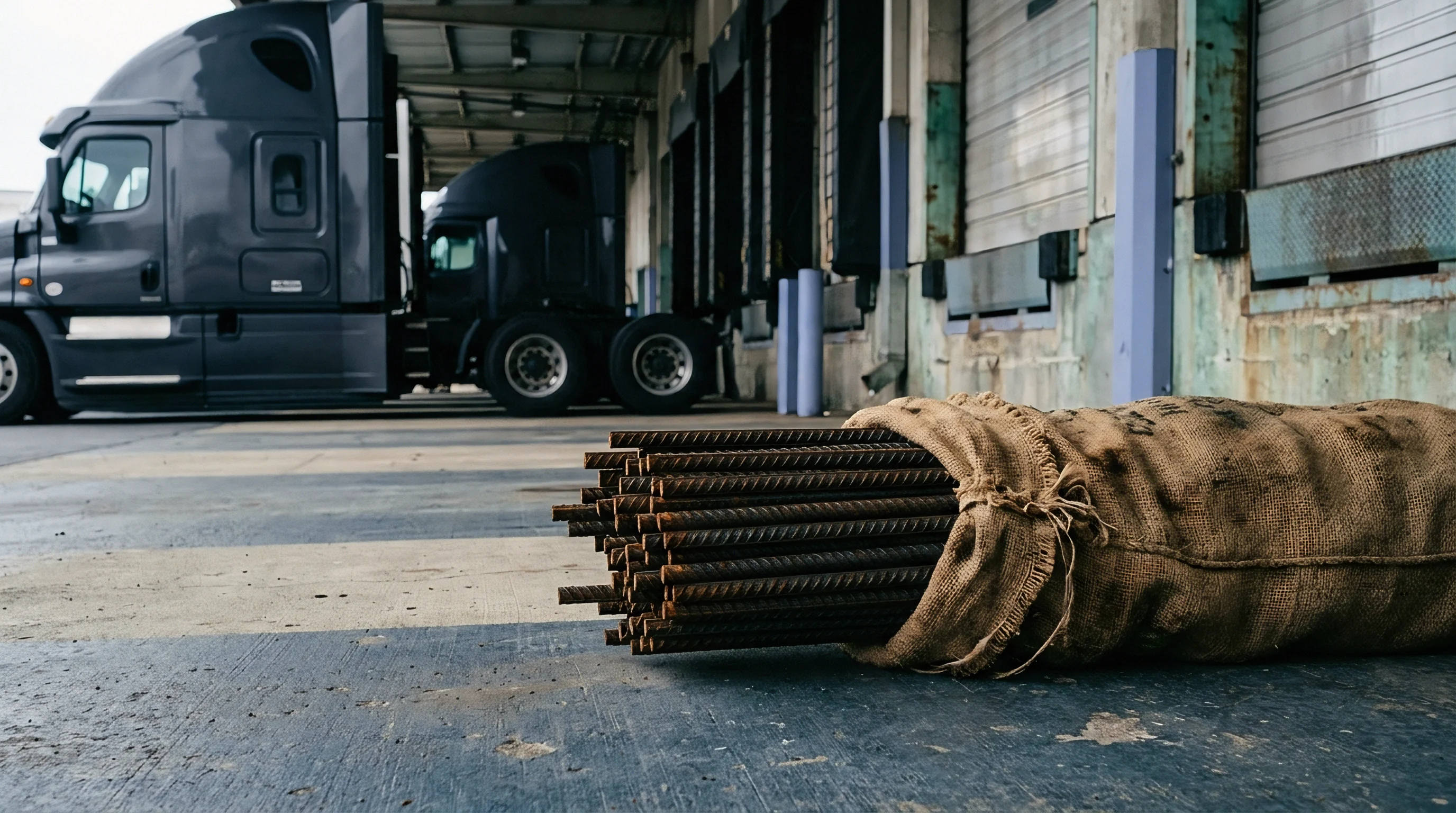
Rusty steel reinforcement bars bundled in burlap lie on concrete pavement before semi trucks parked at an industrial loading dock facility.

Context

Procurement desks had operated on the assumption that expanding smelting capacity, particularly across Asia, would guarantee a reliable flow of finished cathodes. Purchasing strategies leaned on familiar cyclical indicators, such as warehouse inventory levels and currency movements, to time the market.
Steel and polymer components form a suspended bulk storage hopper rendered digitally within a dimly lit industrial warehouse facility.

Analysis

Smelters convert mined copper concentrate into high-purity cathodes for wire and electrical components, historically charging miners Treatment and Refining Charges to cover processing costs. Rapid smelting expansion has since outpaced mine output, creating an acute deficit of raw concentrate. Smelters are now paying miners for ore, driving processing margins negative.

To curb cash burn, facilities are curtailing cathode output, shifting the supply squeeze downstream into higher physical premiums for industrial buyers.
A dark modular industrial machine with copper piping sits secured on a wooden pallet inside a steel framed logistics facility.

Parameters

  • Annual treatment charge benchmark ~ Zero dollars per tonne in 2026, an unprecedented low that erases standard processing margins.
  • Spot treatment and refining charge ~ Minus 126.80 dollars per tonne amid intense competition for available ore.
  • Targeted copper price ~ 14,800 dollars per metric ton by the fourth quarter of 2026, driven by mine supply constraints and trade tariff uncertainties.
  • Refined copper production growth ~ 0.4 percent forecast for 2026 as smelters rein in operations.
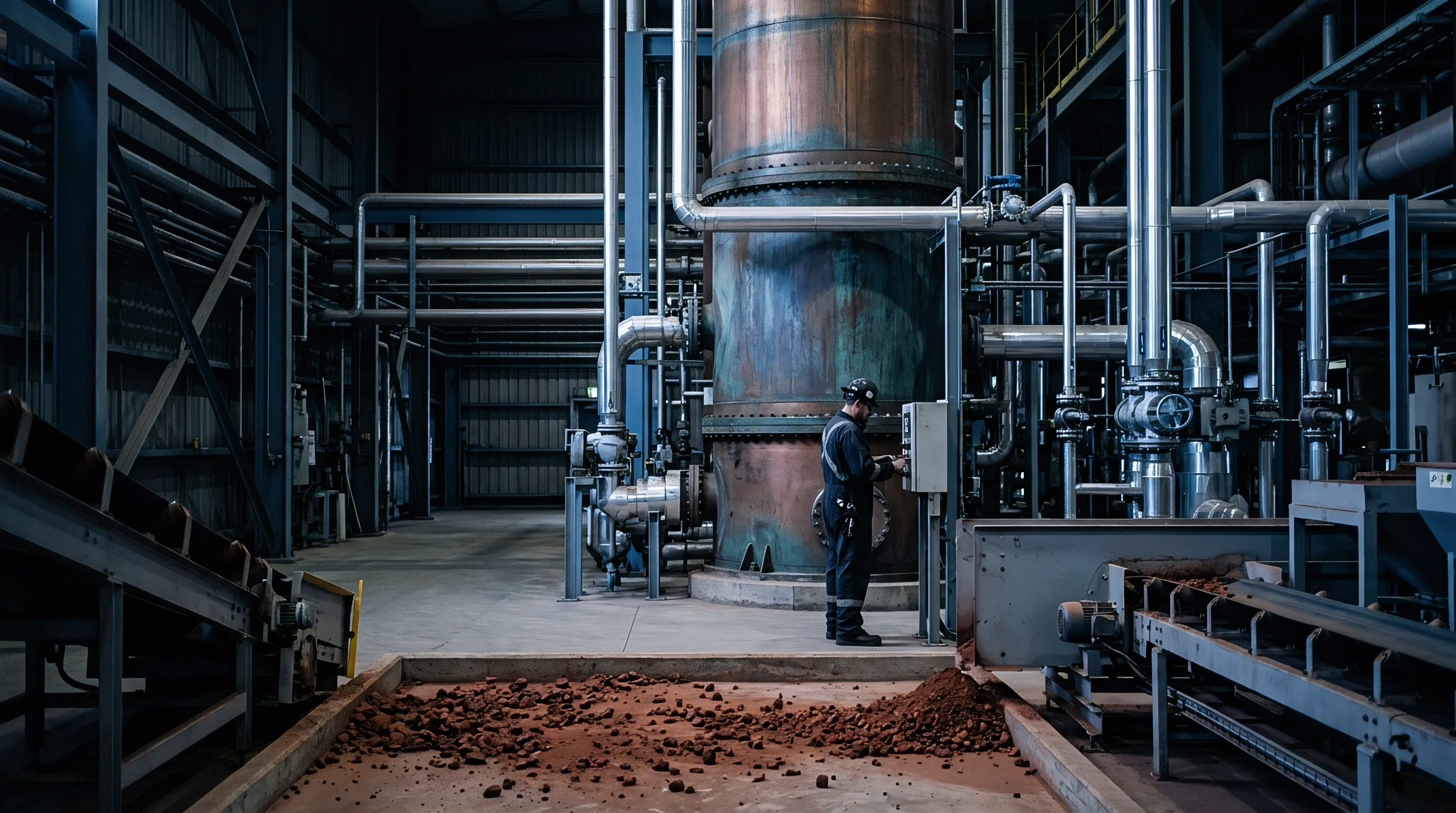
Operators monitor heavy industrial processing machinery within a mineral extraction facility handling raw earth materials through complex steel pipelines.

Outlook

Buyers need to track upcoming trade tariff decisions on processed metals alongside production reports from South American mining operations. If smelters deepen run-rate cuts over the coming quarter, spot premiums for prompt cathode delivery will surge, tightening physical market access.

A grey fabric drapes over a dark angular channel filled with dark granular material and edged with copper trim, set against a dark blue background.

Verdict

Procurement professionals must secure long-term copper cathode contracts immediately to protect assembly lines from escalating regional premiums and supply rationing.

Signal Acquired from: Crux Investor

Nomenclature

Base Metals Pricing

Metal Market Valuation ~ Industrial commodity transactions rely on the daily settlement values established through global exchange clearing houses for non-ferrous raw materials such as copper, aluminum, nickel, and zinc.

Commodity Trade Bottlenecks

Flow Restriction ~ Physical barriers within international logistics channels represent structural delays where the throughput of raw materials falls below the established demand of global manufacturing centers.

Metal Smelting Capacity

Physical Limitation ~ Maximum potential output volume represents a hard ceiling on reduction pathways across primary aluminium and copper circuits, governing monthly production schedules and limiting merchant spot availability whenever power rationing hits regional refineries.

Treatment and Refining Charges

Smelting Compensation ~ Commercial fees paid by mining companies to custom smelters and refiners cover the cost of converting raw metal concentrate into refined metal.

Mine Production Deficit

Supply Imbalance ~ Market conditions occur when total extracted metal output from operating mines falls short of industrial processing and refined metal demand.

Refined Copper Supply

Physical Availability ~ Total volume of high-purity copper anode, cathode, and wirebar available for manufacturing determines the operational limits of the electronics, construction, and transport industries.

Global Metal Extraction

Extraction Quantification ~ Industrial output measured through global metal extraction tracks the total physical tonnage of raw minerals pulled from earth across every national jurisdiction annually.

Metallurgical Feedstocks

Primary Composition ~ Raw materials supply the chemical and physical inputs necessary for metal refining and alloy production.

Copper Concentrate

Concentrate Pricing ~ Filtered metallic powder derived from mined pyritic ores undergoes monthly assessment through global spot negotiations and benchmark formulas.

Industrial Material Sourcing

Procurement Logic ~ Global industrial production relies on the systematic identification and acquisition of raw components from secondary or primary extractors.

Concentrate Market Allocation

Volume Distribution ~ Concentrate market allocation operates as a structural mechanism that divides refined mineral tonnage among competing buyers according to prior contractual commitments and regional processing deficits.

Cathode Delivery Schedules

Logistical Timing ~ Supply chain practitioners rely on cathode delivery schedules to coordinate the arrival of active battery materials at manufacturing plants relative to the precise consumption rates of cell assembly lines.

What the firm knows, published

Expertise is a utility, not a secret. sentiention™ publishes its working knowledge as open reference: intelligence layer covering the materials it sources, the markets it enters, and the reference that serves both.