European Road Freight Contract Rates Reach Record Highs Inflating Logistics Budgets

Record diesel prices push European road freight contract rates to a historic peak, forcing buyers to absorb rising transport surcharges.


11.11.26 2 min

Briefing

European road freight rates hit record highs in the third quarter of 2026, driving up transport surcharges across all major corridors. Record-high diesel prices squeezed carrier margins even while industrial shipping volumes fell, pushing transport budgets higher. Transporters are passing fuel cost increases straight to buyers through higher freight invoices and contract renewals. The European road freight contract rate index reached 148.9 points during the quarter.

A rail freight boxcar waits on terminal tracks beside a concrete loading dock while a security handler and working dog stand nearby.

Context

Before this surge, procurement teams expected road freight rates to ease alongside weakening industrial output and falling freight volumes across Europe. Sourcing desks had assumed that lower demand ~ such as the four percent drop in road trade on main European corridors ~ would force carriers to cut prices. The main question was whether soft demand would offset the rising operational costs facing regional hauliers.

An electric reach truck, mechanical weighing scale, and handheld data terminal occupy a staging zone inside an industrial warehouse facility.

Analysis

The gap between falling shipping volumes and rising freight rates comes down to fuel. Average diesel prices in the European Union rose to 2.19 euros per litre as Middle Eastern export cuts and refinery bottlenecks squeezed supply. Because trucking contracts rely heavily on fuel float clauses, any jump in fuel prices immediately triggers surcharges on shipper invoices. These surcharges operate outside base rate agreements, passing the full cost of fuel spikes to buyers even during periods of weak spot demand. Operating on thin margins, hauliers cannot absorb these price swings, leaving shippers to pay the final bill.

Intermodal shipping containers fill the illuminated freight terminal yard as a heavy reach stacker positions cargo between structural bays.

Parameters

  • European Contract Rate Index ~ 148.9 points, representing the historic high recorded in the third quarter of 2026.
  • European Spot Rate Index ~ 147.6 points, surpassing the previous record of 146.8 points.
  • European Union Average Diesel Price ~ 2.19 euros per litre in September 2026, driven by Middle Eastern supply disruptions.
  • Peak European Diesel Price ~ 2.27 euros per litre on September 27, marking a 39 percent increase above pre-disruption baselines.
  • Road Trade Volume Decline ~ 4.5 percent quarter-on-quarter drop on major European transport corridors, reflecting slowing industrial demand.
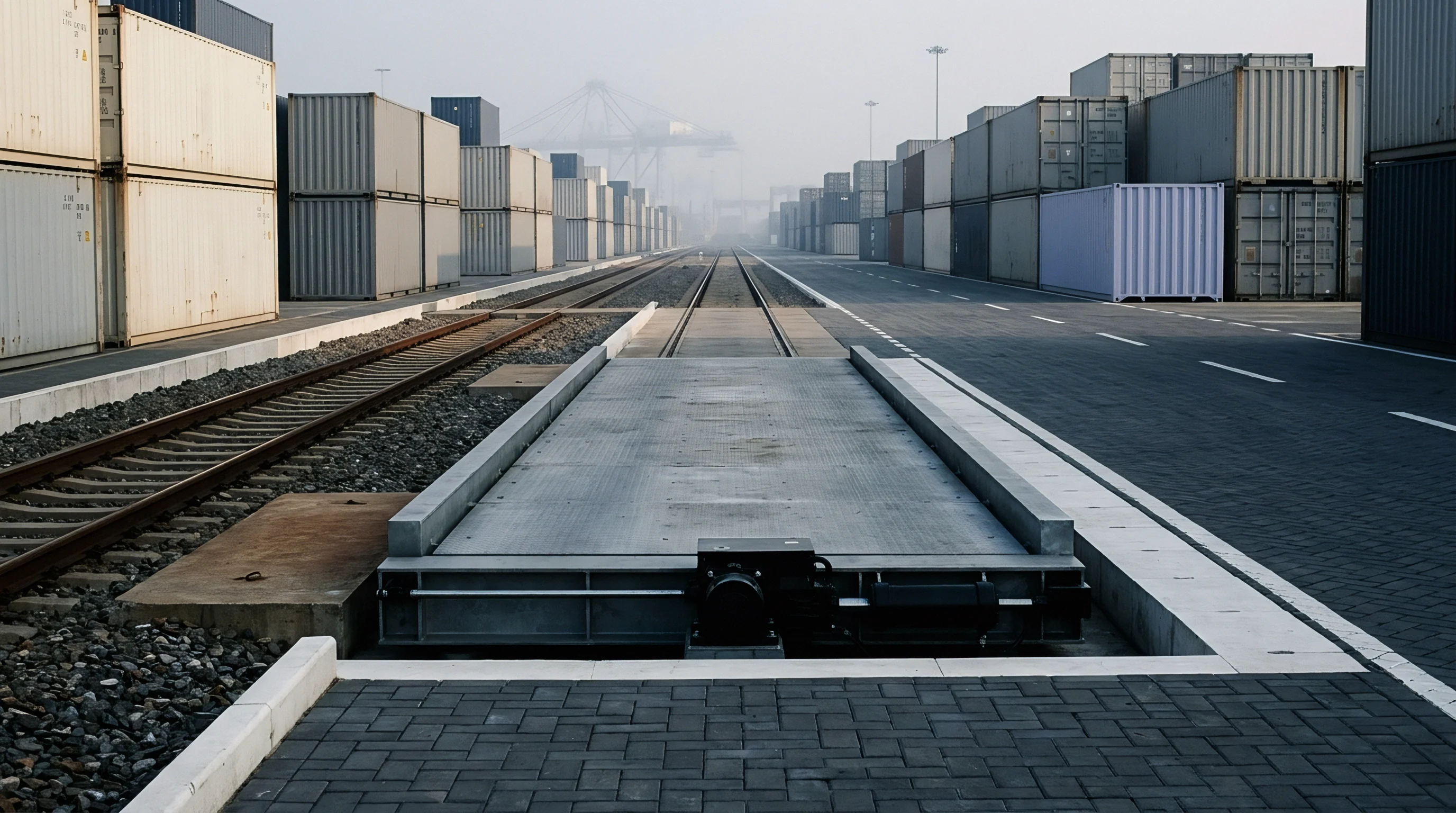
A digital render of an industrial intermodal freight yard containing a central weighbridge flanked by railway tracks and stacked shipping containers.

Outlook

Transport budgets will remain under pressure as the winter heating season keeps diesel demand high and supplies tight. Shippers will need to track European gasoil and diesel stocks over the coming weeks to see if prices stabilize. Sourcing managers should watch first-quarter contract negotiations in January to see whether carriers embed these fuel costs into baseline rates or stick to temporary surcharges.

A studio photograph presents a white polymer prototype model featuring copper wiring secured horizontally beneath a fast moving aircraft shape.

Verdict

Procurement managers must adjust logistics budgets to absorb higher diesel surcharges and prepare for increased contract baselines during winter renewals.

Signal Acquired from: Trans.INFO

Nomenclature

Contract Freight Rates

Tariff Commitment ~ Fixed commercial pricing agreements negotiated between shippers and transport operators guarantee agreed transport pricing over specified durations ranging from three months to several years.

Overland Supply Chains

Terrestrial Route ~ Inland freight transport corridors utilizing highway trucking, commercial rail networks, inland waterways, and pipeline systems move industrial commodities and finished freight within continental landmasses.

Logistics Budget Planning

Operational Allocation ~ Financial distribution governs the allocation of resources for physical movement across supply chains.

Transportation Cost Index

Statistical Gauge ~ Standardized economic metrics measure periodic relative price changes across multiple commercial carriage modes, shipping routes, and freight handling services over fixed reference periods.

Road Freight Rates

Distance Tariff ~ Prices paid for the movement of goods by truck over defined routes constitute road freight rates.

Carrier Fuel Surcharge

Supplementary Mechanism ~ Floating ancillary charges added to baseline transport tariffs transfer the financial exposure of volatile bunker and diesel prices from transport operators to cargo owners.

Logistics Procurement

Operational Sourcing ~ Vendor acquisition involving the formal selection and contracting of external freight carriers or third party service providers constitutes the specific mechanism by which logistics procurement manages the flow of physical goods across global networks.

European Logistics

Regional Corridor ~ Cross border freight distribution relies on scheduled linehaul trucking across member states.

Fuel Cost Indexing

Escalation Formula ~ Contractual adjustment mechanisms tie transportation service fees directly to third-party published fuel price metrics over agreed billing intervals.

Diesel Fuel Surcharges

Floating Assessment ~ Variable billing add-ons calculated on linehaul trucking movements pass retail diesel cost changes directly from motor carriers to commercial cargo owners.

What the firm knows, published

Expertise is a utility, not a secret. sentiention™ publishes its working knowledge as open reference: intelligence layer covering the materials it sources, the markets it enters, and the reference that serves both.