Bunge Argentina Plant Closure Forces Buyers to Import Sulfur Fertilizers
Bunge's permanent shutdown of its Campana plant raises costs and forces a pivot to imported liquid sulfur fertilizers.
Briefing
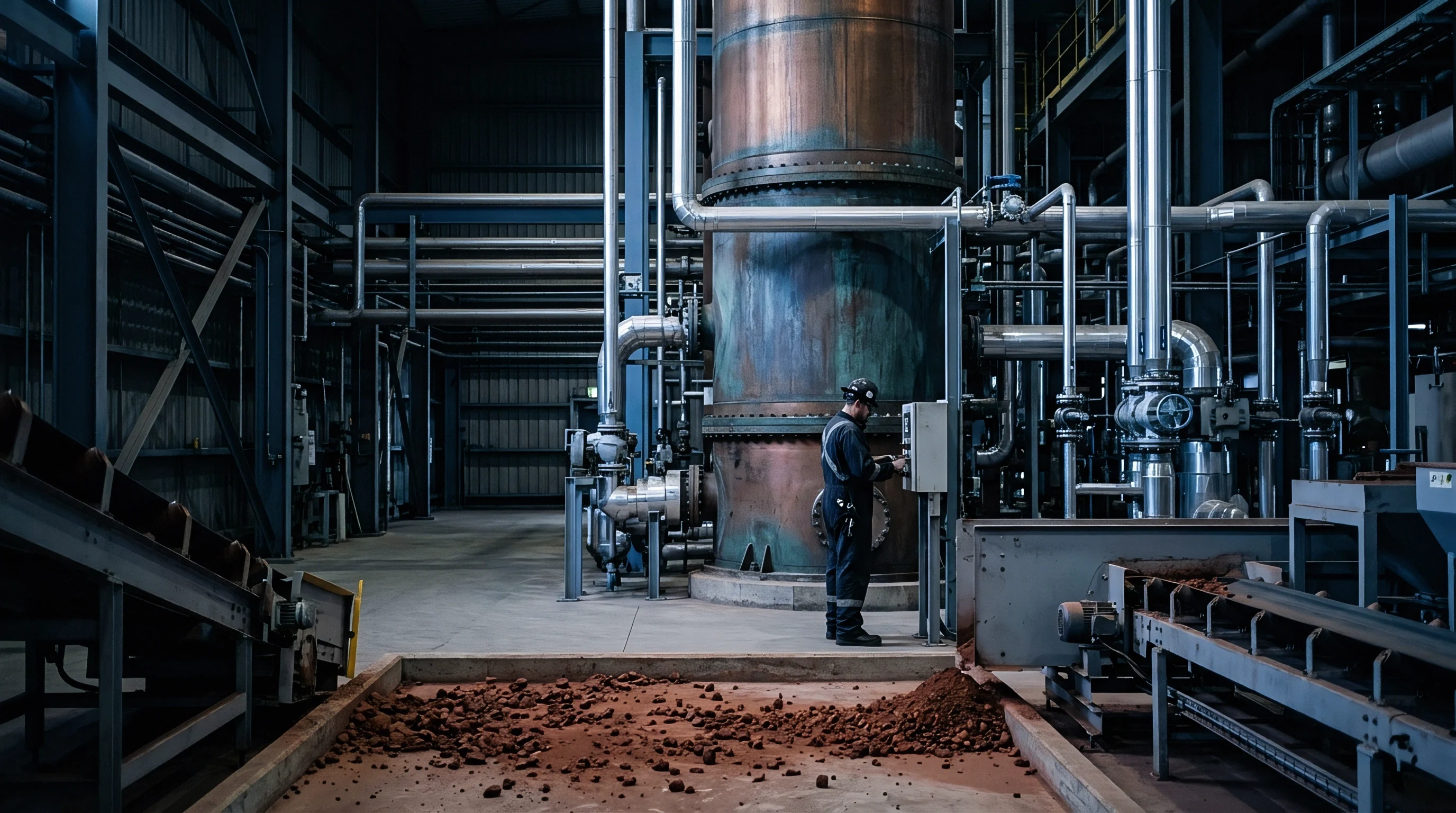
Bunge has permanently closed its ammonia and liquid fertilizer plant in Campana, Argentina, ending fifty years of domestic production and pushing up regional procurement costs. For buyers, losing this local supplier removes a primary domestic source of ammonium thiosulfate and potassium thiosulfate, forcing a strategic shift to imported liquid fertilizers from North America and Asia. Agriculture desks face longer lead times and greater exposure to ocean freight rates as regional distributors rebuild their supply channels.
The disruption is acute given that the plant sent 17.5 percent of its entire chemical output directly to a single major agricultural cooperative group.
Context
Sourcing desks in South American agriculture had monitored the Campana facility during a six-week maintenance pause, expecting a return to normal production schedules. Buyers were tracking domestic inventories to gauge whether regional distributors could meet seasonal demand for liquid sulfur fertilizers. Most expected local manufacturing to resume, keeping buyers insulated from the higher costs of long-distance import shipping.

Analysis
Aging manufacturing equipment, high local production costs, and aggressive competition from cheaper imports brought on the closure. For five decades, the Campana plant operated with expensive domestic chemical inputs and increasingly inefficient machinery. Sourcing liquid thiosulfates from overseas has become cheaper than producing them locally, despite the long distances involved.
This change shifts the supply model from a predictable domestic loop to a variable maritime import pipeline. Without domestic production, the price floor for regional thiosulfates rises to match international spot pricing plus regional port and handling fees. Sourcing desks will now negotiate contracts against international chemical indices rather than domestic manufacturing cost structures.
Parameters
- Plant Location ~ Campana, Buenos Aires Province, Argentina, where operations ended permanently after fifty years of industrial activity.
- Key Products Affected ~ Ammonium thiosulfate and potassium thiosulfate, both sold under the SolMix brand for regional agricultural use.
- Major Stakeholder Exposure ~ The Association of Argentine Cooperatives, which historically purchased 17.5 percent of the plant’s total output.
- Labor Impact ~ The closure eliminates 137 permanent plant jobs and puts 113 service contractor positions at risk.
Outlook
Over the next two quarters, procurement desks should monitor the volume of liquid fertilizer imports arriving at regional river ports. Sourcing teams must track the spread between international bulk liquid transport rates and regional spot prices to spot optimal purchasing windows. The upcoming South American planting season will test whether global suppliers can cover the deficit without triggering regional price spikes or product shortages.

Verdict
Buyers must transition their liquid sulfur-based fertilizer contracts to import-parity pricing and secure supply commitments from global maritime distributors to offset the loss of domestic production capacity.