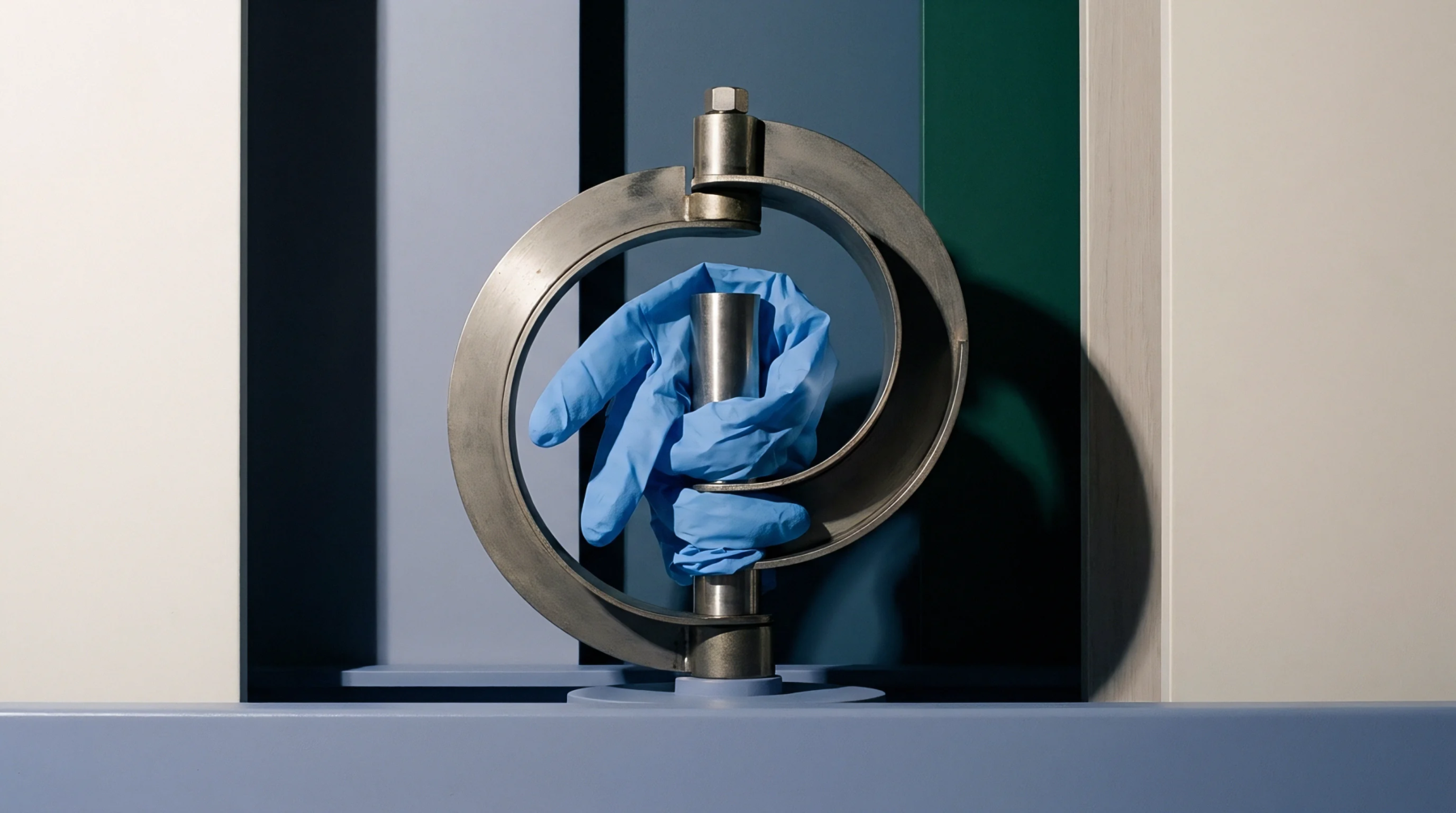
Engineering Alternative
Strategic replacement of one material with another in a manufacturing process addresses supply disruptions or regulatory changes. Material substitutions occur when engineers qualify alternative metals or polymers to perform the same function as the original specification. This practice helps maintain production continuity and can lower the overall cost of goods sold.
Qualification Phase
Engineers must test the alternative option extensively to ensure it meets the required mechanical and thermal performance standards. This evaluation often involves stress testing and compatibility studies within the target system. The process can take several months or even years depending on the complexity of the application and the safety standards involved.
Procurement Integration
Once an alternative material is approved, procurement teams must manage the transition to prevent supply gaps or excess inventory of the old material. This task requires updating bills of materials and renegotiating supplier contracts. In some cases, the substitution requires modifications to the manufacturing equipment or tooling, which introduces upfront capital costs that must be amortized over the life of the project.
A successful transition reduces dependency on volatile raw materials and strengthens the resilience of the supply chain against geopolitical or logistical disruptions. It also allows the manufacturer to exploit price differentials between different raw material classes over time.