Regional Framework
Maritime movement through Baltic and North Sea corridors defines a specialized geographic segment of trade where distinct weather conditions and strict regulatory frameworks govern the transit of freight between high-latitude industrial centers. Practitioners describe northern europe logistics as the systematic coordination of intermodal shifts occurring across the Skagerrak, Kattegat and central Baltic corridors to manage seasonal access cycles. Vessels operating within this zone face ice-class requirements and stringent nitrogen emission limits that force carriers to utilize specific hull designs or low-sulfur bunker fuels.
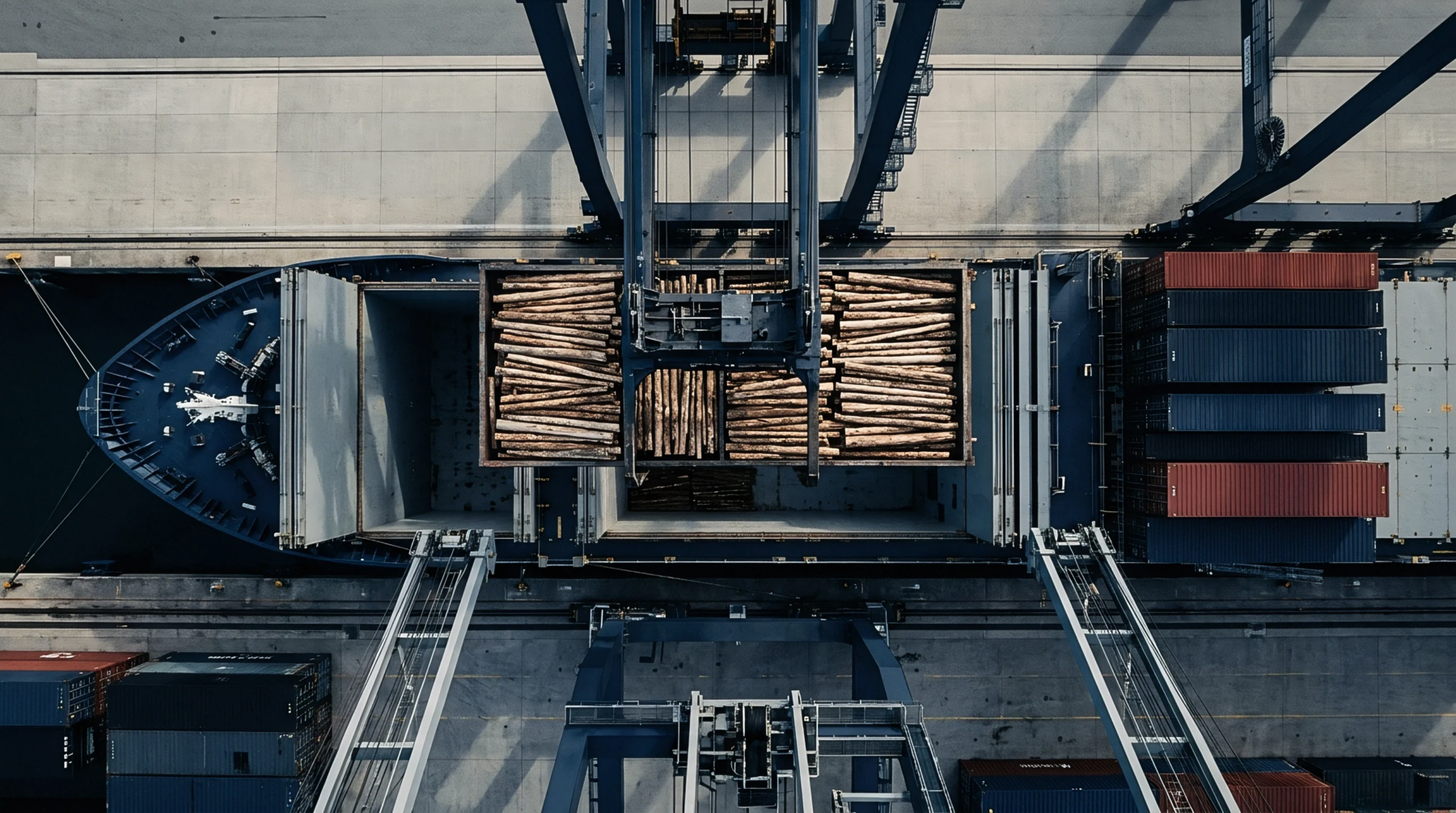
These conditions dictate the scheduling and frequency of feeder services linking major deep-water hubs like Rotterdam or Hamburg to smaller regional ports. Cargo flows follow a predictable pattern determined by forest product exports and consumer goods imports moving between the Nordic states and the broader European market.
Operational Variance
Cargo throughput within this sector relies on the integration of short-sea shipping with rail networks that bypass congested road corridors during harsh winter months. Managers track the performance of northern europe logistics by measuring turnaround times at berths during peak ice conditions when vessel handling speeds drop due to pilotage constraints. Data analysts observe that heavy reliance on rail links forces freight forwarders to balance capacity against the limited availability of rolling stock during peak timber harvest seasons.
Reliability hinges on the synchronization of tide-dependent port access with strict inland rail timetables. Disruptions in the Baltic transit frequently force re-routing through land bridges, which shifts the cost structure of entire supply chains by increasing fuel consumption and labor hours for transit workers.
Market Sensitivity
Volatility in the movement of bulk industrial commodities affects how regional transport entities allocate hardware for the upcoming quarter. Fluctuations in northern europe logistics emerge from changes in refinery output and manufacturing demand across the Scandinavian peninsula. Traders monitor these shifts to adjust hedging positions against rising spot rates in the coaster vessel market.
Capital investment decisions follow the performance of these logistics chains because they determine the feasibility of moving raw inputs into localized production sites. Freight corridors in this zone represent the most efficient path for goods moving to the interior of the continent.