Volume Surge
Cyclical shipping patterns define the predictable, calendar-driven spikes in freight shipping volume and warehouse activity generated by concentrated consumer purchasing seasons and agricultural harvest periods. Commercial freight networks experience peak season demand during pre-holiday retail inventory build-ups, summer retail restocking cycles, spring promotional staging, and late-autumn agricultural crop movements. Shippers, ocean carriers, trucking companies, and intermodal rail operators plan equipment deployments and labor schedules against these volume concentrations.
The temporal scope of the surge spans several weeks or months of heightened freight movement and ends when shipping volumes return to baseline seasonal averages.
Operational Bottlenecks
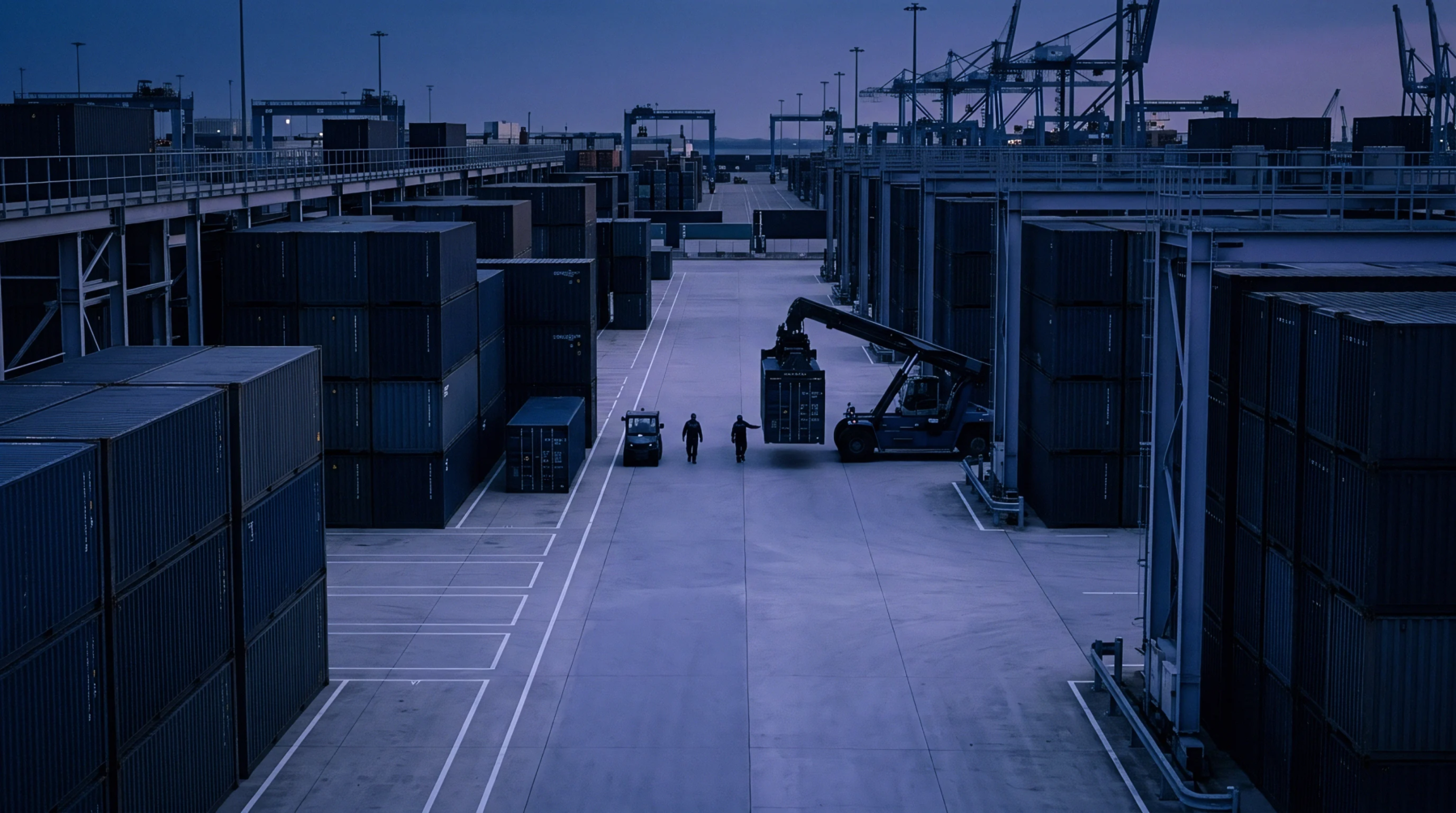
Logistics infrastructure encounters severe physical constraints as manufacturing plants, maritime ports, rail ramps, and regional distribution networks process surging cargo volumes simultaneously. During peak season demand, maritime container terminals experience yard congestion, extended vessel dwell times, gate delays, and drayage chassis deficits. Linehaul trucking carriers encounter reduced driver availability and falling tender acceptance rates as freight volume exceeds contracted baseline capacity.
Air cargo networks absorb overflowing high-value freight that cannot meet delivery schedules via standard maritime channels. Distribution warehouses operate at maximum storage capacity, deploying temporary overflow facilities, adjusting rack layouts, and hiring seasonal labor to maintain order processing throughput.
Surcharge Exposure
Spot transportation rates and accessorial surcharges rise sharply when freight volume outstrips available carrier capacity across major trade lanes. Ocean carriers and freight forwarders enforce peak season surcharges, priority booking premiums, equipment repositioning fees, and port congestion fees to ration vessel space during peak season demand. Shippers lacking firm contractual volume allocations face cargo rollovers at origin ports, where containers are deferred to subsequent sailings.
Downstream retail inventory schedules suffer stockouts and lost revenue whenever peak shipping bottlenecks delay finished goods past target promotional windows.