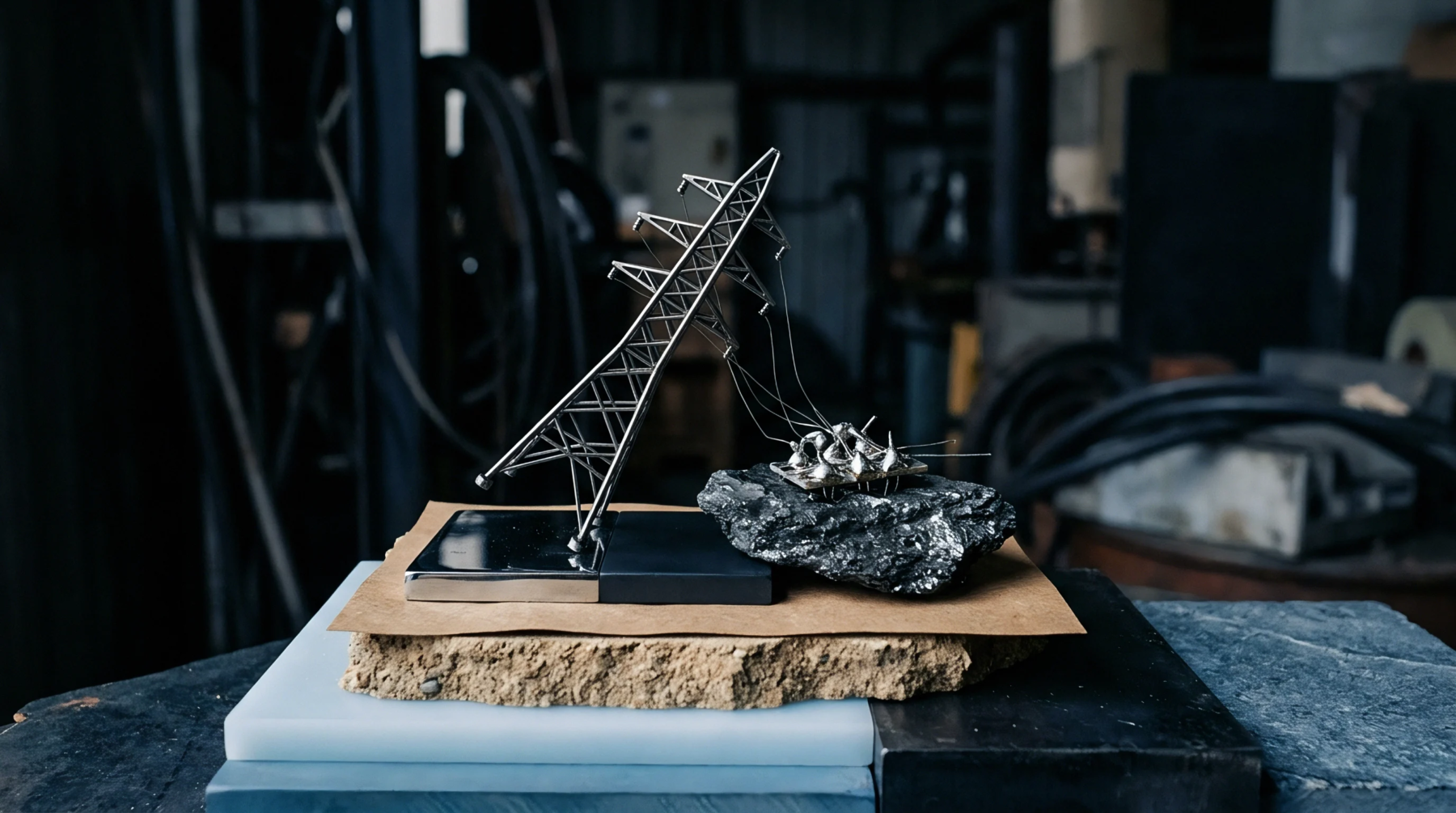
Rising Coking Coal Prices Increase Global Steel Production Expenses
Surging coking coal prices driven by supply cuts are forcing steelmakers to raise downstream contract prices.
Physical consumables, raw ores, carbon reductants, recycled scrap and chemical fluxing agents feed high-temperature furnaces during intermediate and crude steel production. Operational categorizations within steel manufacturing inputs encompass iron ore fines, lump ore, blast furnace pellets, direct reduced iron, metallurgical coke, pulverized coal, limestone, dolomite, recycled ferrous scrap and specialized ferroalloys like ferrosilicon and ferromanganese. The scope covers materials consumed directly within blast furnaces, basic oxygen vessels, electric arc furnaces and secondary ladle metallurgy refining stations.
Finished steel sheet, rolled structural beams, mill process machinery, rolling lubrication oils and protective transport packaging fall outside this input group.
Furnace architecture dictates specific chemical and metallic charging requirements across competing production routes. Integrated blast furnace and basic oxygen routes consume raw iron ore pellets, sinter and metallurgical coke to generate liquid pig iron, relying on coke as both a thermal fuel source and a physical reducing agent. Electric arc furnace operations bypass iron ore extraction entirely by melting recycled ferrous scrap or virgin direct reduced iron via high-voltage electrical arcs.
Residual tramp elements present inside scrap iron, specifically copper, tin and nickel, cannot be oxidized out during standard furnace processing and must be diluted using direct reduced iron or pig iron to meet high-end sheet steel mechanical specifications. Slag-forming flux additions like burnt lime, calcined dolomite and fluorspar capture impurities, neutralize acidic silica formations and protect furnace refractory brick linings from severe chemical degradation. Ferroalloys and deoxidizing agents such as aluminum wire and ferromanganese strip out dissolved oxygen from molten baths while tuning final steel tensile strength, yield strength and corrosion resistance.
Input cost volatility directly shifts liquid steel production costs, driving finished steel pricing across global manufacturing supply chains. Iron ore and metallurgical coal trade on volatile index-linked pricing mechanisms, exposing integrated steel mills to severe raw material margin squeezes when steel selling prices drop during periods of raw material market tightening. Electric arc furnace operators face localized scrap availability constraints and sharp electricity tariff fluctuations during peak industrial hours.
Freight logistics interruptions on inland river systems, rail corridors or deep-sea shipping lanes leave blast furnaces vulnerable to raw material starvation, an eventuality carrying severe costs because idling a modern blast furnace risks refractory collapse and catastrophic hearth chilling. Environmental decarbonization requirements drive long-term structural feedstock shifts, pushing integrated mills toward high-grade iron ore pellets suited for green-hydrogen direct reduction processing and increasing reliance on clean scrap sorting.
Surging coking coal prices driven by supply cuts are forcing steelmakers to raise downstream contract prices.
Expertise is a utility, not a secret. sentiention™ publishes its working knowledge as open reference: intelligence layer covering the materials it sources, the markets it enters, and the reference that serves both.