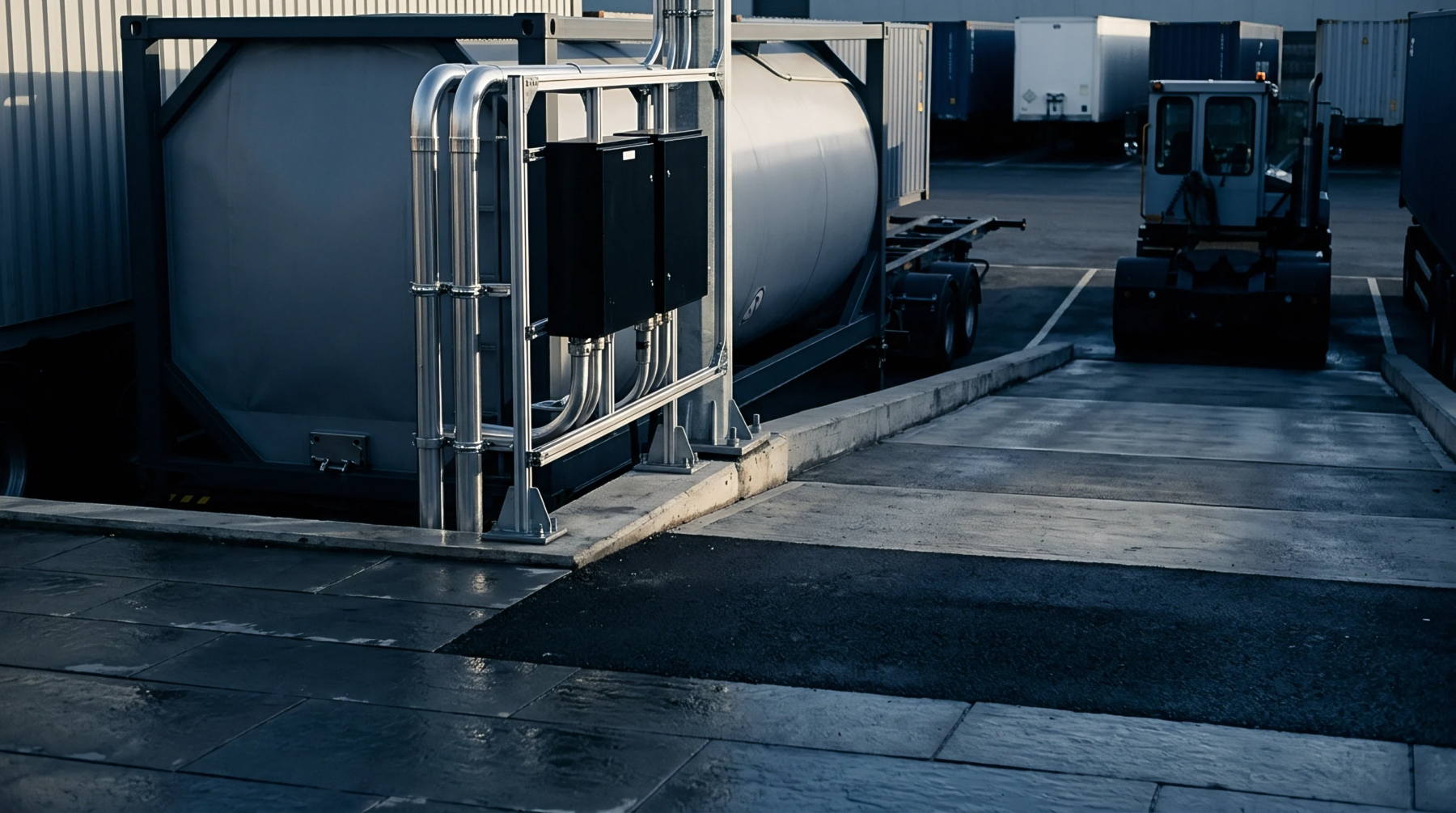
Prohibitive Mandate
Government orders that outlaw the use of specific harmful substances in manufacturing protect public health and the surrounding ecosystem. These toxicant bans remove dangerous chemicals from the market once their risk is proven to outweigh their utility. Compliance is a legal requirement.
Enforcement Protocol
Customs and environmental agencies monitor shipments and factory outputs to ensure that restricted materials are not entering the supply chain. When toxicant bans are enacted, authorities provide a grace period for companies to clear existing stocks and find alternatives. Inspectors use laboratory testing to verify that finished goods are free from forbidden additives.
Penalties are severe.
Phaseout Schedule
Transitioning away from a standard industrial chemical involves a series of deadlines that allow the market to adjust without collapsing. Because toxicant bans can disrupt global production, the timing of these restrictions is often coordinated between different countries to prevent trade imbalances. Manufacturers must track these dates closely to ensure that their research and development teams have enough time to test and validate new formulations.
The search for safer alternatives often leads to the discovery of more efficient production methods. Global health improves as hazardous substances are removed from the environment. Regulation drives innovation.