Anchor Glass Georgia Plant Closure Constrains Southeast Beverage Packaging

Sourcing teams for Southeast food and beverage brands must immediately reallocate glass bottle orders to alternative suppliers.


27.08.26 2 min

Briefing

Anchor Glass permanently shut down its manufacturing facility in Warner Robins, Georgia, on August 18, 2026. The immediate shutdown forces Southeastern food and beverage buyers to shift packaging agreements to plants further inland. With regional manufacturing capacity gone, shipping heavy glass containers across the region will cost more as buyers absorb freight surcharges to haul inventory from remaining Midwest and Northeast facilities. The closure eliminates 168 jobs and removes a key regional furnace.

Mechanical testing apparatus secures a glass container holding a fine particulate sample inside a production laboratory facility.

Context

Before the announcement, procurement teams were waiting to see how Anchor Glass’s major recapitalization and financial restructuring would play out ~ specifically whether fresh capital would stabilize the company’s regional footprint or trigger further consolidations. The closure of its Jacksonville, Florida plant in early 2025 had already squeezed bottle supply in the Southeast, leaving buyers relying on the Georgia facility as a long-term hub.

A dark open industrial container with blue lining is recessed into a black metal frame set on a grey concrete floor.

Analysis

The Warner Robins shutdown follows weakening market demand, stiff domestic competition, and a steady consumer shift toward aluminum and plastic packaging. Because heavy glass containers carry high transit costs, buyers rely on nearby regional furnaces. Closing a local plant disrupts supply lines and forces buyers to secure volume from distant factories in Indiana, Oklahoma, or New York. The added transit distance drives up per-unit costs and stretches lead times, placing the financial burden directly onto procurement teams.

An empty glass vessel rests atop a piece of folded denim fabric within a dark office setting featuring shelves of files and digital market monitors.

Parameters

  • Layoff Volume ~ 168 workers are permanently affected by the Warner Robins facility closure.
  • Separation Commencement Date ~ October 17, 2026, represents the scheduled start of formal employee separations.
  • Union Severance Period ~ 90 days of pay provided to employees following the immediate stop of operations.
  • Anchor Glass Annual Revenue ~ 585 million dollars in global sales according to the company’s recent sustainability reporting.
  • Remaining Active Plants ~ Four manufacturing facilities in Indiana, Minnesota, New York, and Oklahoma remain in service.
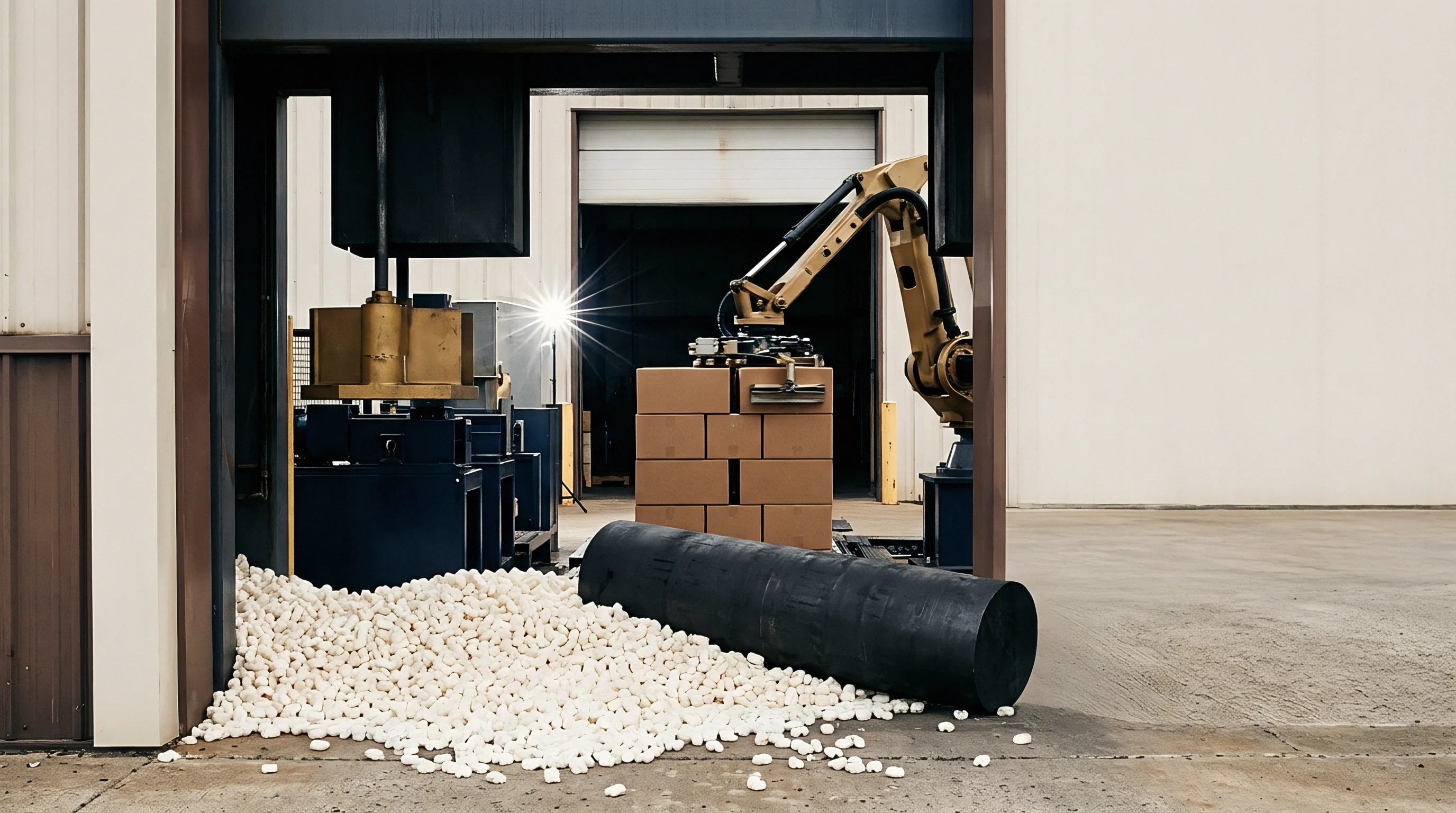
An automated robotic arm stacks cardboard cartons in a warehouse bay behind a mound of protective foam peanuts and a black industrial cylinder.

Outlook

Over the coming months, food and beverage brands will need to monitor regional freight indices and lead times as the industry adapts to this sudden supply vacuum. Buyers should watch the Warner Robins decommissioning process through the end of January 2027 to see if any secondary asset sales occur. Upcoming fourth-quarter contract renegotiations will show how much alternative glass container suppliers intend to raise pricing on Southeastern shipping lanes.

Mechanical balance scale and flexible pneumatic tube rest on a white counter behind a frosted glass partition within a logistics facility.

Verdict

Sourcing teams must immediately diversify their bottle suppliers and negotiate multi-year logistics agreements to mitigate rising freight rates from more distant glass plants.

Signal Acquired from: Packaging Dive

Nomenclature

Packaging Supply Chain

Material Flow ~ The packaging supply chain is an industrial network that coordinates raw material sourcing, converting operations and distribution logistics to deliver protective containment for commercial goods.

Industrial Restructuring

Sectoral Realignment ~ Industrial restructuring constitutes a structural reconfiguration of heavy production systems occurring when regional manufacturing bases face prolonged demand contraction and mounting obsolescence pressures.

Beverage Bottles

Rigid Container ~ Polymer resins or glass composites form these durable structures to hold liquids for commercial distribution.

Factory Closure

Industrial Termination ~ Permanent cessation of operations defines the cessation of production capacity within a specific geographic site.

Glass Container Sourcing

Procurement Matrix ~ Industrial procurement involves securing rigid packaging materials that meet strict thermal and chemical resistance thresholds.

Glass Furnace Operations

Thermal Regulation ~ High temperature combustion systems heat raw silica and additives to a molten state to form a continuous glass ribbon or specialized container products.

Packaging Procurement

Container Acquisition ~ Commercial purchasing teams manage packaging procurement to secure corrugated boxes, pallet wraps and protective inserts for industrial goods transit.

Manufacturing Capacity

Output Limit ~ Potential factory output over a specific period defines the upper limit of what a business can produce.

Supplier Consolidation

Procurement Efficiency ~ Contract rationalization acts as the method for reducing the number of distinct entities providing goods or services to an enterprise.

Supply Chain Reallocation

Resource Shift ~ Strategic shifting of resources or suppliers involves moving manufacturing and warehousing activities to new locations to improve efficiency.

Southeastern Logistics

Regional Network ~ Transport and distribution activities in the southeastern United States focus on the movement of goods through a network of major ports and rail lines.

Regional Capacity Constraints

Logistics Limit ~ Physical throughput thresholds define the absolute maximum volume of freight an infrastructure corridor or processing hub manages before flow degradation occurs.

What the firm knows, published

Expertise is a utility, not a secret. sentiention™ publishes its working knowledge as open reference: intelligence layer covering the materials it sources, the markets it enters, and the reference that serves both.