Proposed US Metal Tariffs Cover Fourteen New Product Categories

Importers face new duties between fifteen and fifty percent on fourteen metal derivative products under proposed rules.


28.08.26 2 min

Briefing

The Bureau of Industry and Security has proposed expanding Section 232 tariffs on steel, aluminum, and copper to cover fourteen additional metal derivative products. The rule extends import duties to widely used industrial goods, including electric conductor cables, fire extinguishers, heat exchanger parts, aluminum powder, and transport trailers. Importers face customs filings subject to proposed tariffs ranging from fifteen to fifty percent depending on classification ~ a clear pivot from the program’s earlier focus on unwrought metal to finished, multi-material assemblies. Billions in annual trade are at stake, with duties on most covered assemblies set at twenty-five percent.

Gray metal storage crates sit on a wooden floor in a dimly lit warehouse covered by protective blue fabric tarpaulins for transit protection.

Context

Procurement desks had largely operated on the assumption that Section 232 duties would stay confined to primary metals and direct mill products. Finished assemblies and complex subcomponents were widely expected to avoid border measures under de minimis weight exemptions, leaving buyers focused on raw material indexes rather than finished equipment.

Numerous planks of unfinished wood are stored in a warehouse environment, presented alongside a contemporary furniture piece with a drawer.

Analysis

The Bureau of Industry and Security is closing a carve-out that permitted metal-heavy downstream goods to enter the United States without tariff exposure. Under the draft rule, steel, aluminum, or copper content in a finished component triggers duties at the port of entry, functioning like an unavoidable surcharge on items such as heat exchangers and trailers. The higher the metal ratio, the steeper the landed cost impact. Responding to the rule will require procurement teams to audit the exact metallic breakdown of incoming parts and trace where production took place well before goods arrive at customs.

Stored industrial equipment under canvas alongside stacked metal containers fills an outdoor freight staging yard under overcast daylight.

Parameters

  • Twenty-Five Percent ~ The standard proposed duty rate for most of the newly added derivative articles.
  • Fifteen Percent ~ The proposed tariff rate applied to cranes, straddle carriers, and agricultural trailers.
  • August 27, 2026 ~ The deadline for businesses to submit formal comments regarding the tariff expansion.
  • Fourteen Categories ~ The total number of new metal-heavy derivative products proposed for coverage.

A wooden shipping crate and heavy machinery components sit outdoors among industrial piping and storage tanks under an overcast sky.

Outlook

The final rule will dictate component pricing across several industrial sectors in the quarters ahead. Sourcing managers should track the Federal Register to confirm firm implementation dates, while pressing suppliers of electrical cables, heat exchangers, and industrial trailers for country-of-origin records and metallic weight breakdowns.
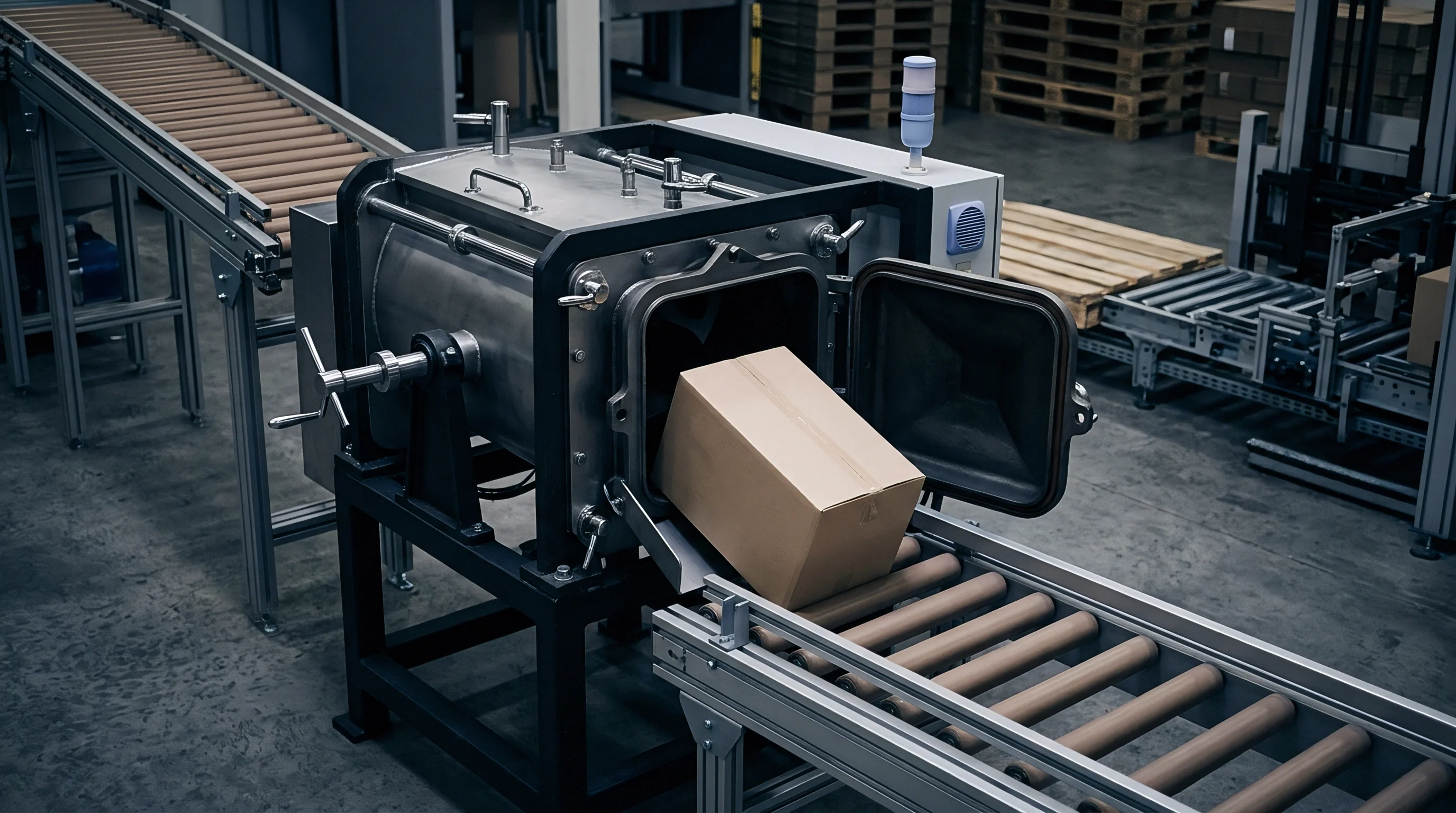
A large industrial processing machine with an open door ejects a brown cardboard package onto a roller conveyor belt within a manufacturing or logistics facility.

Verdict

Sourcing teams must review bills of materials across the fourteen proposed categories and prepare for a minimum fifteen percent increase in landed costs for imported components.

Signal Acquired from: Federal Register

Nomenclature

Procurement Risk

Sourcing Vulnerability ~ Financial and operational uncertainties threaten an organization's ability to secure goods, raw materials and services under acceptable commercial terms.

Manufacturing Logistics

Movement Vector ~ Plant floor productivity depends entirely on how manufacturing logistics manages the physical transit of components between distinct fabrication cells and assembly stations.

Cost Forecasting

Financial Prediction ~ Estimating future expenditures for logistics and production allows a firm to set realistic budgets and pricing strategies for the coming fiscal period.

Hardware Sourcing

Procurement Protocol ~ Procurement protocols act as the administrative mechanisms for acquiring physical equipment and industrial components from external suppliers to maintain production continuity across diverse manufacturing environments.

Trace Origins

Provenance Mapping ~ Geographic lineage verification is the analytical mechanism establishing primary extraction sites for bulk commodities before trade execution begins.

Industrial Equipment

Asset Valuation ~ Heavy machinery and durable production hardware constitute industrial equipment when deployed within factory floors or extraction sites to convert raw material into finished goods.

Import Duties

Fiscal Assessment ~ Statutory taxes levied by national governments on foreign merchandise crossing international borders generate state revenue and shield domestic industries from overseas competition.

Raw Materials Pricing

Commodity Valuation ~ Market costs for the basic inputs used in the production of finished goods serve as the foundation for the entire industrial economy.

Metals Tariffs

Customs Barrier ~ Protectionist border levies applied to foreign industrial inputs alter the landed cost equation for manufacturers sourcing raw materials abroad.

Supplier Relations

Business Partnership ~ Professional connections between a buying firm and its network of providers form the basis for a resilient and efficient supply chain.

Trade Policy

Regulatory Framework ~ Government statutes, administrative rules and international treaties govern the terms under which domestic commercial entities trade with foreign counterparties.

International Trade

Cross-border Exchange ~ The movement of goods and services across sovereign boundaries constitutes the physical and legal mechanism of commercial interaction.

What the firm knows, published

Expertise is a utility, not a secret. sentiention™ publishes its working knowledge as open reference: intelligence layer covering the materials it sources, the markets it enters, and the reference that serves both.