Technical Compliance
This regulatory protocol defines the structural integrity and mechanical safety requirements for portable hook-on chairs intended for use with dining tables. An astm f1235-25 certification confirms that a specific product model sustains the physical stress of attachment to a variety of edge thicknesses and surface materials without failure. Manufacturers apply these criteria to prevent hazardous dislodging during infant activity.
The standard specifies test methods for stability, retention, and load bearing capacity to minimize the risk of falls or tipping. Authorities recognize the completion of these laboratory assessments as a prerequisite for retail distribution in regulated regions.
Laboratory Performance
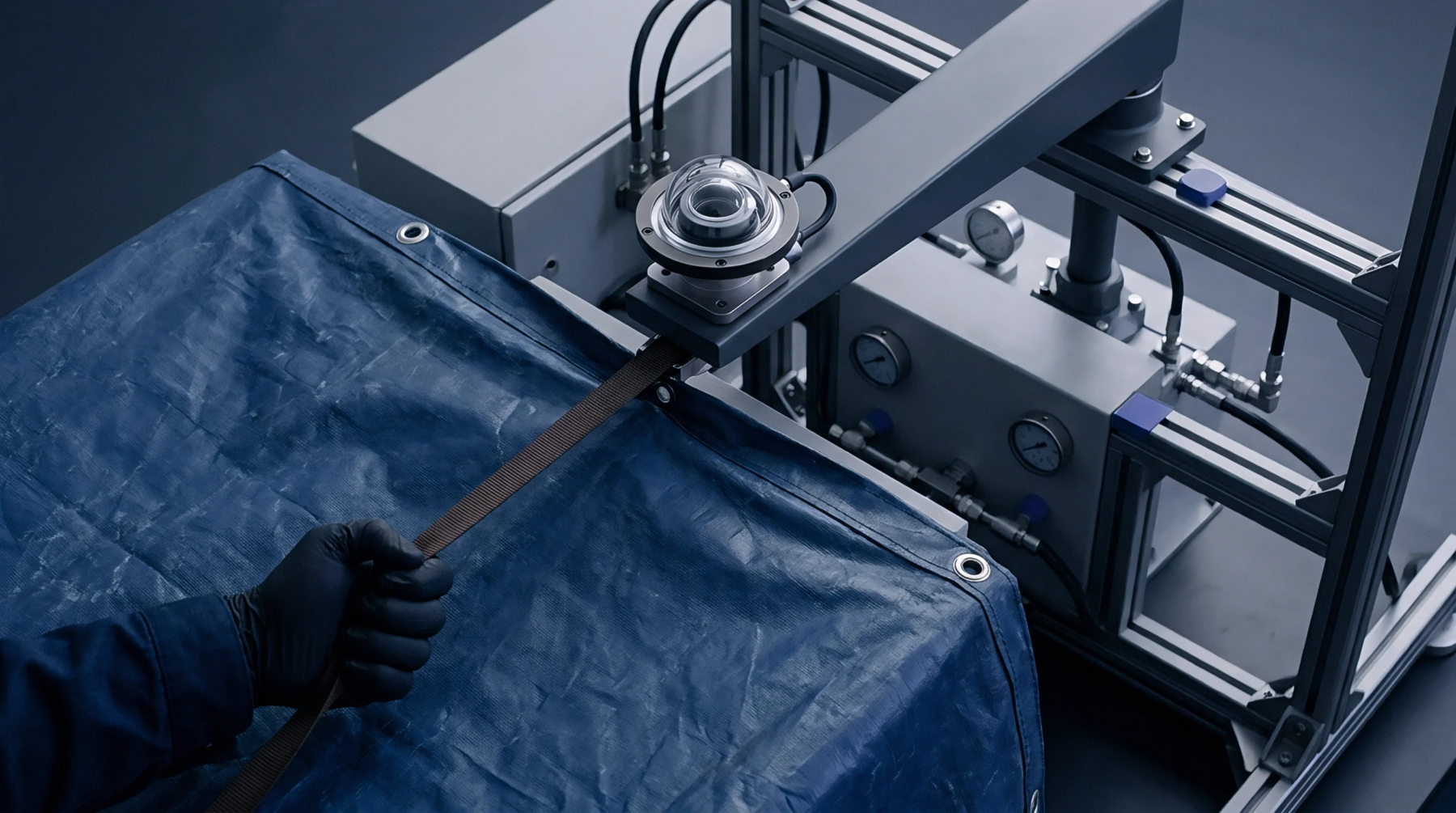
Testing laboratories replicate field conditions by applying vertical forces and rotational torque to the mounting mechanism. A device undergoes cycles of weight application to measure deformation in the locking components. Analysts observe whether the clamp remains fixed when a force acts upon the seat base.
If the product slips beyond the allowable millimeter threshold during the pull test, it fails the requirement. Engineers modify the hardware geometry until the assembly withstands the mandated pressure without cracking. These controlled trials provide objective data on the durability of the frame under stress.
Consistent results allow procurement teams to identify manufacturers capable of producing stable furniture hardware. The process filters out designs that rely on friction alone rather than positive locking systems. High failure rates during this stage often indicate a mismatch between material density and connection point design.
When the component geometry changes, the laboratory executes a fresh assessment to verify that the alteration does not degrade safety margins.
Market Integration
Retailers rely on this documentation to confirm that inventory meets current safety expectations for juvenile furniture. An astm f1235-25 certification serves as a commercial proof point that reduces liability for distributors and store operators. Buyers demand evidence of this assessment before signing supply contracts for new product lines.
The document acts as a verified record that persists through the entire logistics chain. Brands holding this mark gain access to markets that mandate strict adherence to child safety standards. The validation establishes a baseline for furniture quality that persists as long as the production model remains unchanged.