Market Standard
Regulatory oversight protects juvenile demographics from mechanical and chemical hazards by dictating mandatory design parameters for manufactured consumer goods. Commercial distribution depends upon children products safety to establish baseline compliance before domestic customs clearance permits wholesale entry. Toy components and apparel textiles undergo laboratory stress testing to measure toxic residue levels and structural integrity against standard thresholds.
Retailers face statutory penalties when inventory fails third-party durability audits or contains heavy metals exceeding statutory ppm limits. Customs officials detain non-compliant shipments at port facilities until importers present valid certificates issued by accredited testing laboratories.
Testing Protocol
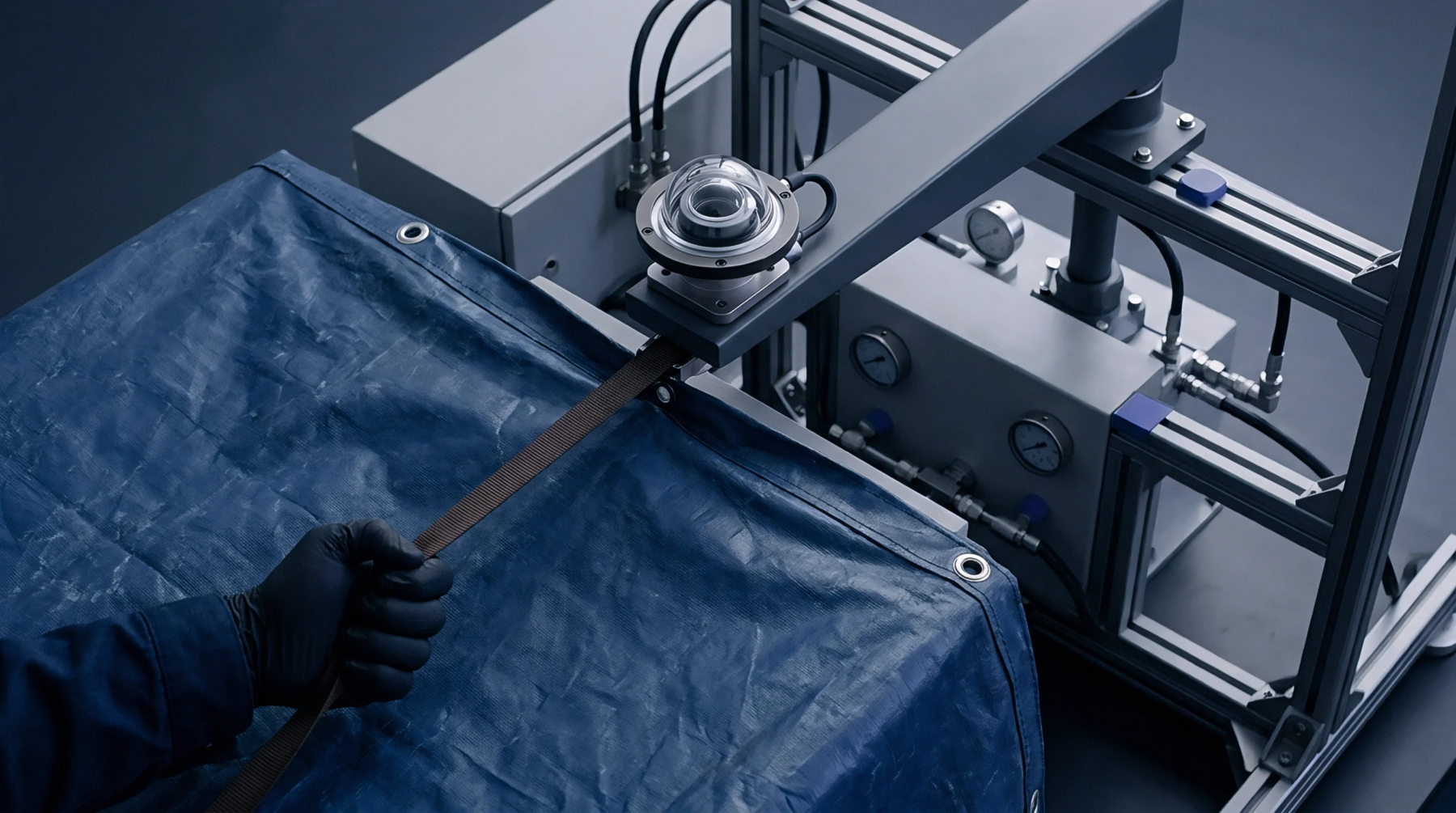
Laboratory technicians subject physical samples to drop impact procedures and flammability exposure to simulate domestic wear and tear. Chemical assays dissolve plasticizers and surface coatings within solvent baths to quantify phthalate concentrations present in the material matrix. Mechanical fixtures endure tensile pull equipment measuring force tolerance before structural failure releases small parts hazardous to infants.
Inspectors record peak pressure thresholds and document deformation patterns during compression trials to verify mechanical resilience.
Compliance Verification
Importers submit laboratory reports alongside commercial invoices to secure customs release for seasonal merchandise arriving at distribution hubs. Regulatory agencies review batch documentation quarterly to track manufacturing consistency across offshore production facilities. Factory audits verify raw material sourcing matches the specifications approved during initial design certification phases.
Documentation retention spans five years to satisfy statutory audit requirements mandated by trade authorities. Final liability rests with the importing entity signing the commercial bill of lading regardless of foreign manufacturing origin.