CPSC Mandates Battery Safety Testing for Toys Increasing Border Scrutiny

Mandatory compliance with 16 CFR Part 1250 requires strict battery securement testing to avoid immediate border rejections.


27.08.26 2 min

Briefing

The U.S. Consumer Product Safety Commission published a direct final rule bringing toys powered by button or coin cell batteries under the stricter standards previously reserved for standalone products under Reese’s Law. The action turns voluntary industry recommendations into binding federal requirements, mandating certified third-party testing to verify child-resistant battery compartments. Toy shipments now face the exact securement criteria applied to general consumer electronics: goods arriving without compliant closures or 16 CFR Part 1250 documentation risk prompt border seizure. The rule also restates the 100 parts per million lead ceiling and adherence to ASTM F963-23 benchmarks.
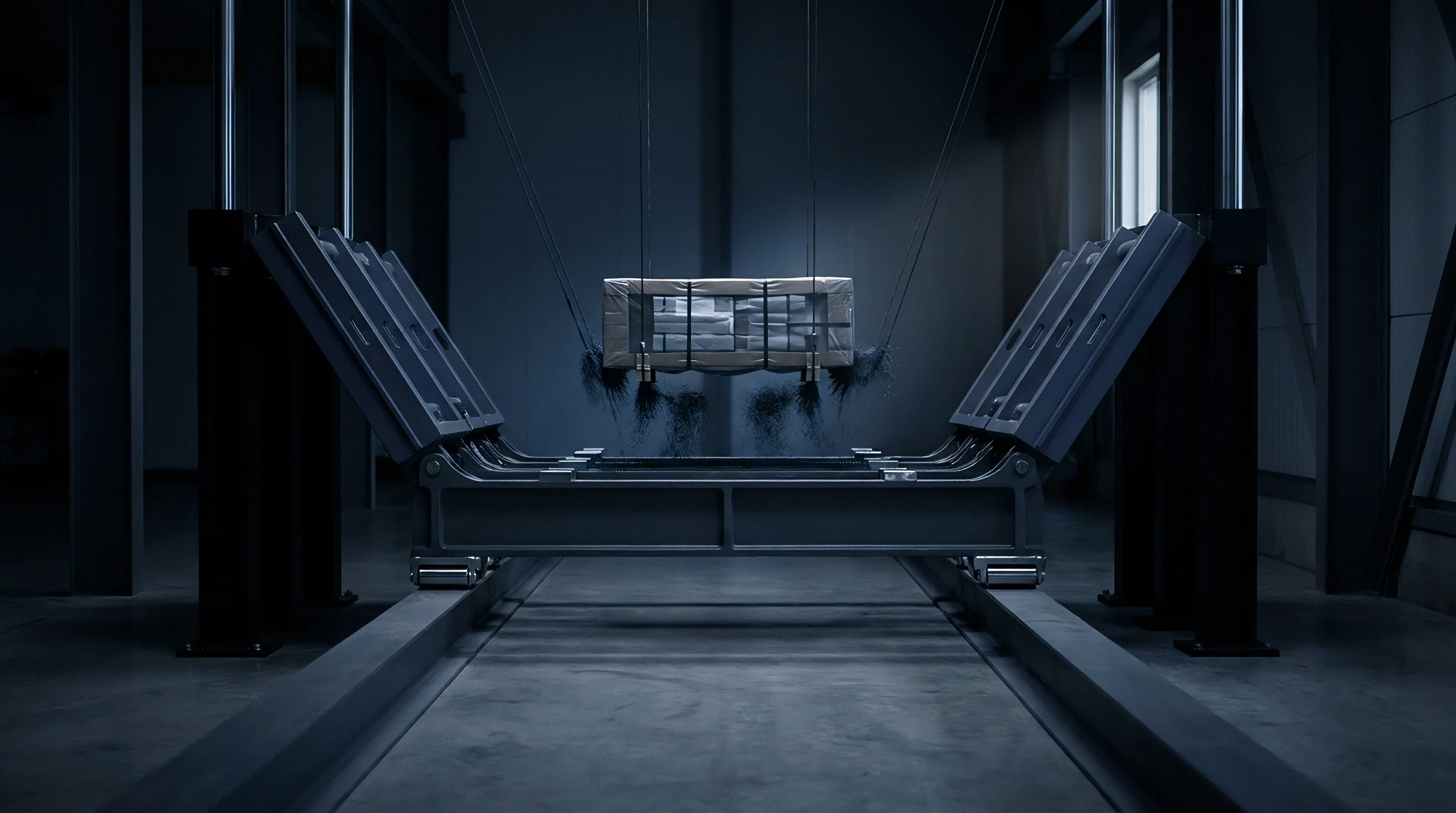
A digital render shows a suspended freight package positioned between angled steel impact arms inside a dark industrial testing facility.

Context

Importers historically handled toy lines under a separate ASTM F963 framework, while non-toy consumer electronics answered to Reese’s Law. In practice, import compliance programs concentrated primarily on lead levels and small-parts choking hazards, leaving unresolved questions about whether button cell containment rules would stay optional for warehoused inventory or trigger immediate customs scrutiny at ports of entry.

A precision gauge rests inside a liquid filled basin on a metal workstation alongside stacked industrial tarps within a secured warehouse.

Analysis

The update eliminates dual compliance paths in favor of a single standard. By formally tying 16 CFR Part 1250 to ASTM F963-23, regulators closed an opening that permitted looser battery doors on toys, an issue highlighted by recurrent failures in slide-out battery trays. For suppliers, meeting the threshold means securing fresh compliance certificates and often modifying tooling to incorporate captive screw fasteners or dual-action latches. Missing or incomplete test documentation shunts containers out of standard clearance channels into customs holds, as uniform latching requirements now govern both general products and children’s lines.

An industrial testing bench holds heavy metal frame structures containing fine powder samples arranged beneath automated monitoring equipment.

Parameters

  • Mandatory standard ~ 16 CFR Part 1250, which now covers mandatory button cell securement protocols.
  • Reference standard ~ ASTM F963-23 is the updated benchmark all toys must meet since April 2024.
  • Battery size threshold ~ Button cell or coin cell batteries, defined as those with a diameter larger than their height.
  • Lead content limit ~ 100 parts per million remains the maximum allowable limit for children’s products.
  • Implementation trigger ~ Direct final rule published in the Federal Register in August 2024.

Metal testing fixtures and glass sample vials occupy a dark industrial laboratory workbench equipped for raw material quality verification.

Outlook

Customs exams are set to increase through year-end as holiday toy container volumes crest. Procurement teams should also track the end of the public comment window for draft water bead restrictions, which mark the commission’s next target. Before accepting finished goods and signing off on bills of lading, importers should require testing labs to confirm that test reports for open purchase orders reflect the August federal register changes.

A metallic truss assembly extends centrally down a concrete testing corridor featuring tiled flooring and a large rear window.

Verdict

Professional buyers must verify third party battery safety certification for all electronic toys to prevent inventory blockages at the border.

Signal Acquired from: Consumer Product Safety Commission

Nomenclature

Toy Safety Standards

Compliance Threshold ~ Regulatory mandates governing manufactured playthings establish legal limits for physical dimensions, chemical migration and electrical output before distribution occurs.

CPSC Regulations

Statutory Scope ~ Federal oversight concerning consumer product safety standards operates through administrative mandates directed at manufacturers, importers, and distributors operating within interstate commerce.

Testing Protocols

Verification Standard ~ Systematic testing protocols establish the formal parameters that industrial consignments must endure before receiving commercial clearance from logistics providers.

Consumer Protection

Legislative Obligation ~ Regulatory frameworks provide the legal mandate for correcting informational asymmetries between commercial entities and individuals.

Battery Securement

Mechanical Restraint ~ Mechanical restraint designates the physical immobilization of energy storage units inside transport housings to prevent displacement during rough handling.

Product Safety Enforcement

Regulatory Mandate ~ Market surveillance authorities apply product safety enforcement to verify that commercial goods meet statutory health standards before the items reach retail distribution networks.

Border Rejection Risk

Regulatory Probability ~ Border rejection risk identifies the statistical likelihood that imported goods fail to meet the mandatory compliance standards set by national customs authorities.

Non-Compliant Toys

Regulatory Boundary ~ Commercial cargo shipments failing to meet baseline safety standards for children represent seized items blocked at ports before customs clearance occurs.

Import Compliance

Regulatory Mandate ~ Import compliance acts as the operational framework of trade law that governs the movement of goods across sovereign borders to ensure that every incoming shipment aligns with national legal requirements and international treaty obligations.

ASTM F963-23

Safety Baseline ~ Toy industry regulation sets the requirements for chemical content and physical performance that products must satisfy to protect children from injury or toxic exposure.

Child Safety

Regulatory Benchmark ~ Physical protection criteria mandate that manufacturers construct consumer goods to prevent injury to infants by eliminating small loose components and sharp edges.

Certification Marks

Legal Ownership ~ Protected intellectual property symbols applied to products confirm compliance with established safety or environmental standards through independent evaluation.

What the firm knows, published

Expertise is a utility, not a secret. sentiention™ publishes its working knowledge as open reference: intelligence layer covering the materials it sources, the markets it enters, and the reference that serves both.