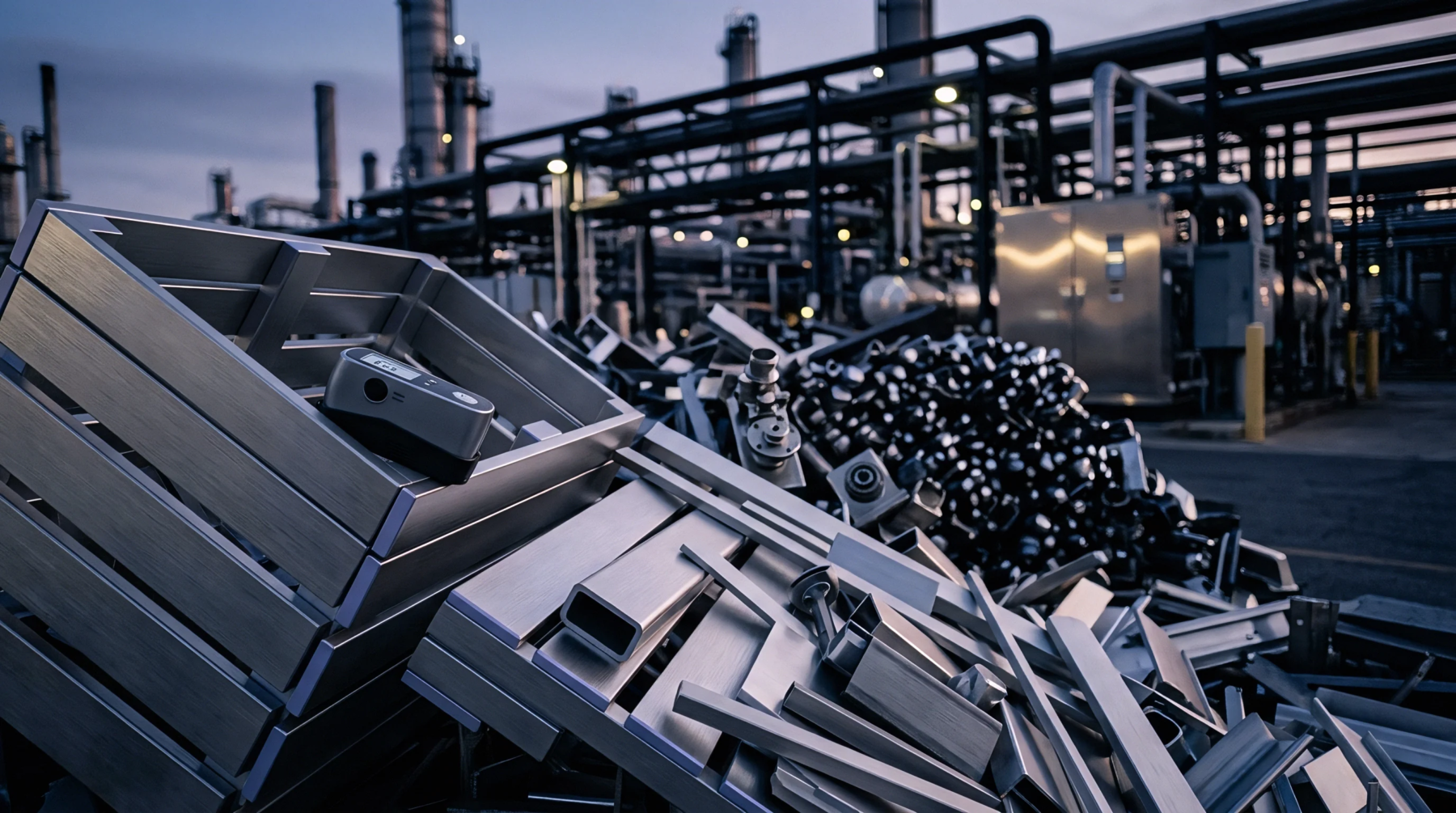
Production Expenditure
Financial outlays required to transform raw feedstocks into refined substances include raw material procurement and energy consumption. While feedstock prices fluctuate with global energy markets, chemical manufacturing costs also incorporate fixed expenses like facility maintenance and insurance. These figures determine the break-even point for a processing plant.
Efficiency improvements in heat recovery can lower the overall expense profile.
Utility Variable
Steam and electricity represent a major portion of the operational budget for a high-temperature synthesis plant. When natural gas prices rise, chemical manufacturing costs increase (often forcing producers to adjust their spot market offers). Cogeneration units help mitigate these fluctuations by producing power and heat simultaneously.
Margin Pressure
Producers face difficult decisions when the price of finished goods does not rise at the same rate as the underlying chemical manufacturing costs. This situation often leads to capacity curtailments or the temporary shuttering of older units. Long-term contracts sometimes include price escalation clauses to protect the manufacturer from sudden spikes in electricity or raw material prices.
The geographical location of a plant influences these costs due to variations in local infrastructure and labor rates. Profitability depends on the ability to pass these expenses through to the downstream buyer without losing market share to competitors with lower cost structures.