Compliance Protocol
Technical specifications governing the physical dimensions, chemical composition, and structural stability of furniture intended for children serve to mitigate risks of injury during daily use by infants and toddlers. A children furniture standard establishes the necessary thresholds for entrapment hazards, lead paint content, and tipping resistance that manufacturers must meet before placing products into global commerce. These mandates delineate specific zones of application, focusing on bedding, seating, and storage units designed for individuals under the age of twelve.
National authorities oversee the testing regimes that verify whether hardware components withstand repetitive force or environmental decay. Non-compliance results in the immediate removal of stock from retail environments and potential liability for the producing firm.
Market Integration
Retailers monitor the evolution of regional safety benchmarks to adjust inventory procurement strategies across shifting legislative landscapes. A children furniture standard dictates the lifecycle of a production batch, as periodic updates to toxicity or hardware regulations render existing finished goods obsolete. Logistics teams manage the warehousing of items that require retrofitting or disposal when revised safety tests supersede previous versions.
Imports from manufacturing hubs undergo scrutiny at customs checkpoints where agents compare physical characteristics against the current technical documentation. Disruptions to the availability of compliant raw materials force suppliers to pivot towards alternative synthetic or organic polymers that meet the stricter chemical criteria. Accurate record keeping regarding the batch date and material source allows firms to execute recalls when specific production windows fail to satisfy updated performance metrics.
Traders identify stable, high-margin product lines by assessing the ease with which a manufacturer maintains continuous alignment with the strictest global safety requirements.
Risk Calibration
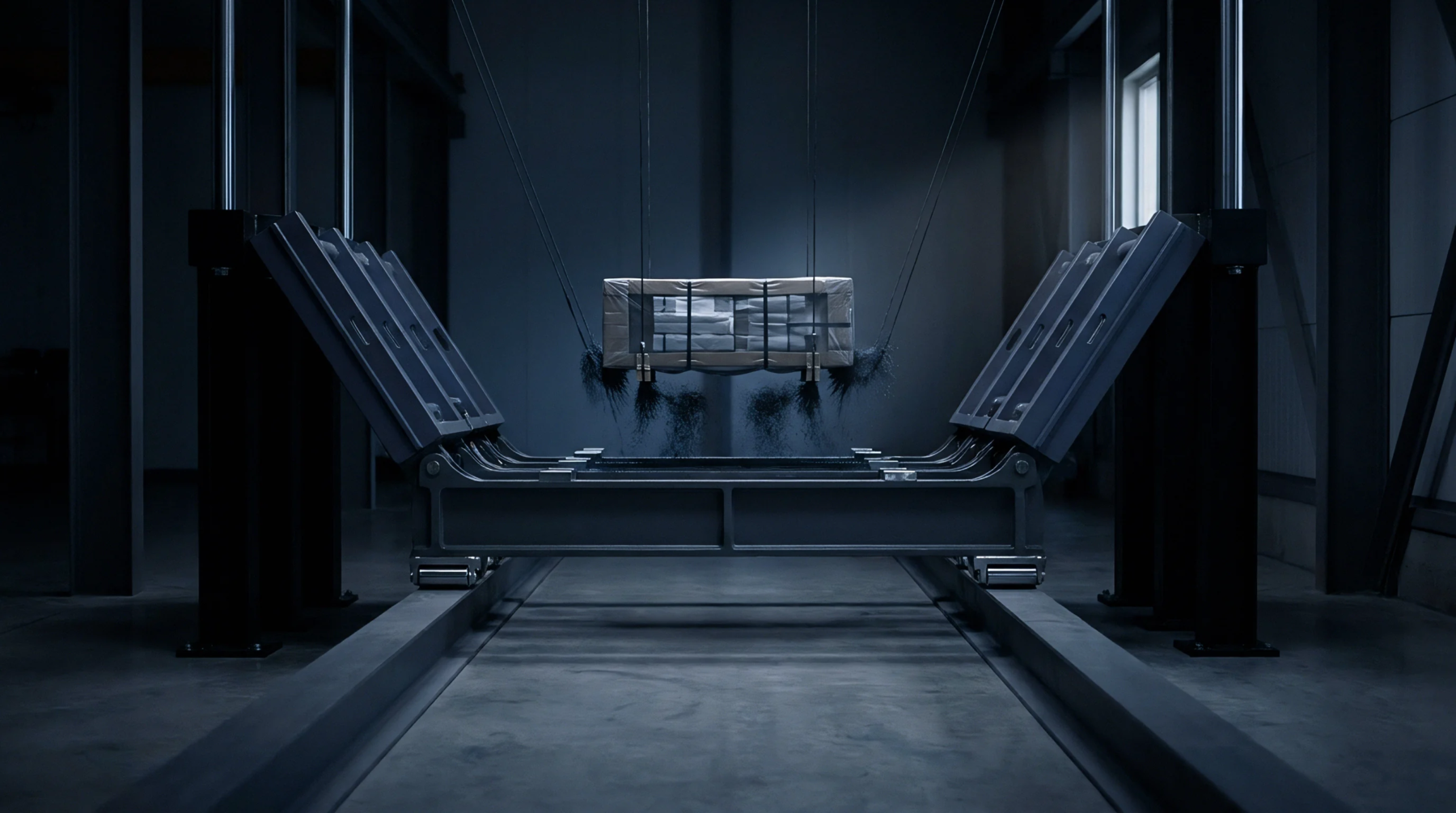
Technical evaluators measure the durability of furniture joints and fasteners through controlled cycles of mechanical stress that simulate years of household wear. Variations in material density influence the failure rate of load-bearing structures when subjected to impacts or off-center weight distribution. Designers calculate the probability of instability by testing center of gravity shifts in tall units that might topple upon small children.
Rigorous adherence to these metrics prevents catastrophic structural collapse during routine operation. Proper classification of these objects minimizes the occurrence of mechanical malfunctions in high-traffic residential or nursery settings.