New CPSC Safety Standard for Strollers Requires Updated Testing Protocols

New CPSC rules for carriages and strollers move safety testing to the latest standard for immediate compliance verification.


28.08.26 2 min

Briefing

The CPSC updated its safety standard for carriages and strollers through a direct final rule incorporating the latest ASTM benchmarks. Buyers must transition to ASTM F833-24 for all units produced after the effective date to prevent customs delays and compliance issues. The rule shifts the mandatory baseline from the 2021 standard to the 2024 revision, taking effect for applicable shipments on February 13 2025.

A gloved technician examines a heavy duty forged steel lifting hook with a magnifying lens inside a controlled environment testing lab.

Context

Mandatory federal compliance previously ran on the ASTM F833-21 standard. Sourcing teams were already expecting updates given the typical three-year review cycle for juvenile product safety, while procurement watched for the commission to adopt the voluntary standard into mandatory rules.

A logistics worker sitting on wooden pallets adjusts heavy leather safety footwear inside an industrial warehouse environment.

Analysis

The CPSC update aligns mandatory rules with the latest voluntary ASTM standard, as direct final rulemaking automatically incorporates updated industry benchmarks. This version tightens stability testing and modifies tray and footrest entrapment provisions. Third-party labs need to update their accreditation to cover F833-24. For manufacturers, failing to update documentation before the early 2025 deadline invalidates Childrens Product Certificates, making lab availability the primary operational bottleneck.
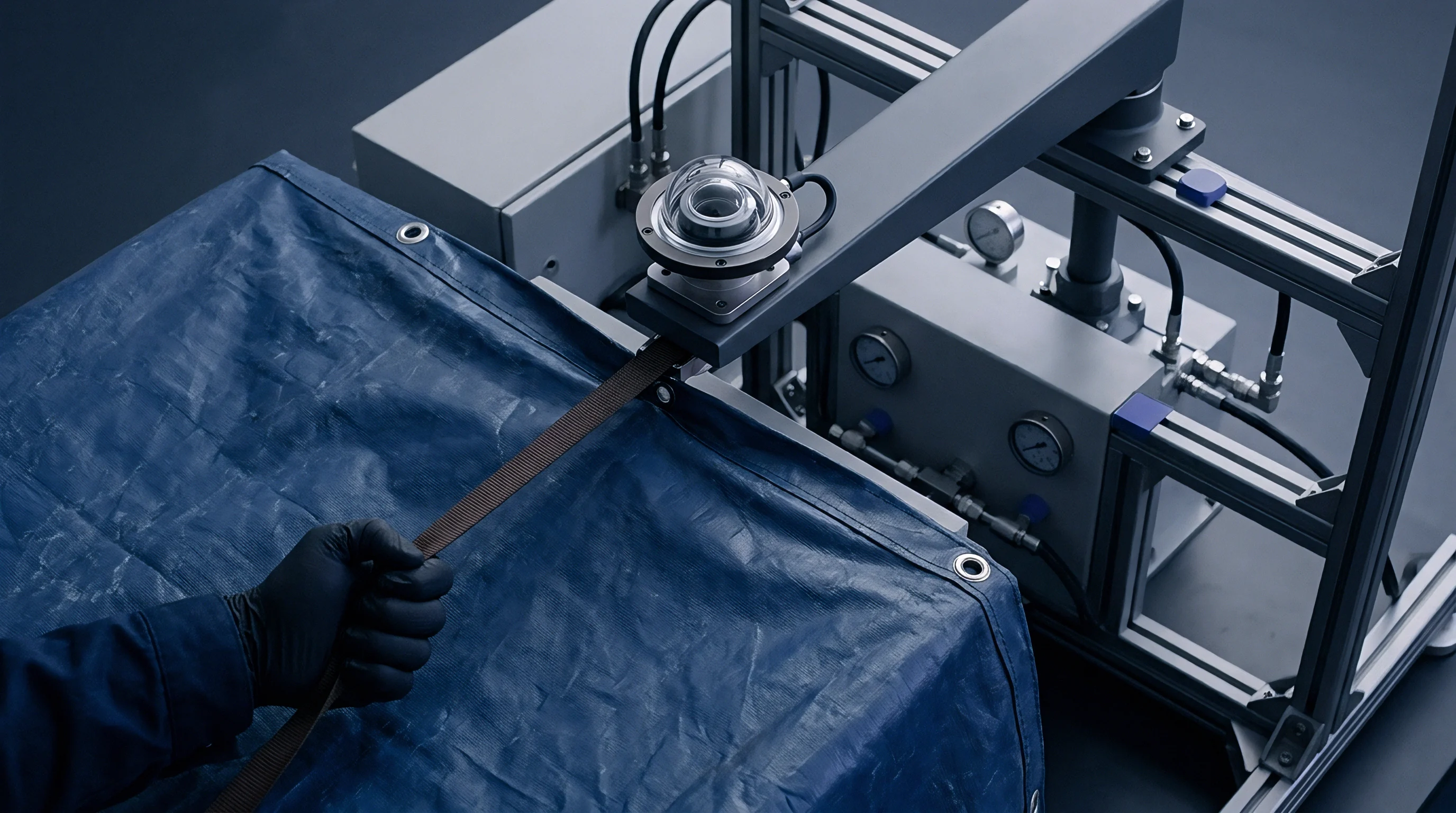
Industrial testing equipment evaluates a reinforced blue tarpaulin material while an operator holds a securing strap.

Parameters

  • Standard Name ~ 16 CFR Part 1227, governing mandatory carriage and stroller safety.
  • Effective Date ~ February 13 2025, setting the mandatory adoption date for the update.
  • Industry Reference ~ ASTM F833-24, the revised technical consensus standard for these products.
  • Compliance Proof ~ Childrens Product Certificate, which importers must update to reflect the new test standard.

A copper electromagnetic coil rests on an iron core beside a steel safety cage, precision gauges, and a red hydrant inside a testing laboratory.

Outlook

Lab accreditation timelines warrant attention through late 2024. Importers should coordinate with contract manufacturers to confirm sample compliance under the 2024 stability metrics prior to production runs. The January 13 objection deadline marks the key milestone for the rollout schedule; assuming no opposition, mandatory enforcement proceeds as scheduled in February.
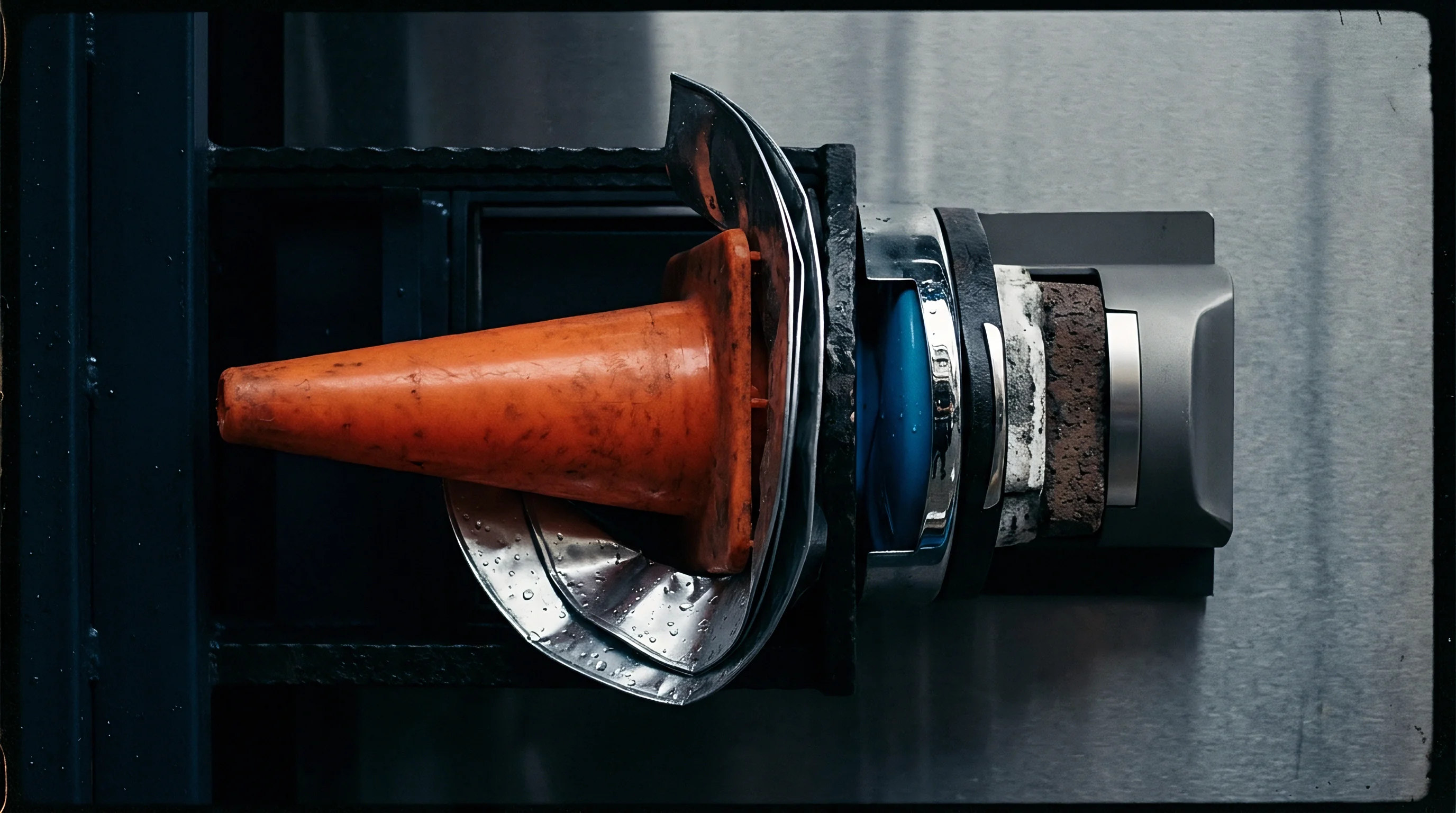
An orange plastic safety cone undergoes mechanical compression inside an industrial testing apparatus during product durability evaluations.

Verdict

Buyers must update all stroller safety test plans to meet ASTM F833-24 before early next year.

Signal Acquired from: Federal Register

Nomenclature

Sourcing Risk

Vulnerability Matrix ~ Supply chain planners track sourcing risk to quantify the probability that single-node dependencies or regional regulatory shifts interrupt raw material delivery.

Mandatory Standards

Compliance Requirement ~ Legal directives impose absolute technical specifications on products and processes to ensure baseline safety and quality within a regulated market.

Consumer Safety Standard

Liability Threshold ~ A consumer safety standard establishes the legal boundary where manufacturing defects become actionable faults under product liability laws.

Lab Certification

Verification Protocol ~ Official recognition grants technical legitimacy to an analytical facility after independent parties confirm its capability to perform specific tests.

Product Certification

Verification Method ~ Compliance assessment confirms that an item meets defined safety, quality, or performance criteria.

US Customs Compliance

Border Adherence ~ Import governance frameworks established under federal trade legislation require commercial importers to exercise reasonable care when filing cargo entry declarations at official ports of entry.

Toy and Juvenile Safety

Product Compliance ~ Consumer protection legislation governs toy and juvenile safety through mandatory thresholds for mechanical strength and chemical migration.

Regulatory Oversight

Statutory Mandate ~ Continuous institutional supervision functions as an administrative practice through which public bodies audit commercial operations to ensure compliance with established industrial statutes.

Laboratory Accreditation

Formal Validation ~ Third party attestation of testing competence serves trade participants by verifying that a technical facility follows specific quality management rules.

Stroller Safety

Design Regulation ~ Mechanical standards dictate how folding mechanisms lock and how frame geometries sustain static loads to prevent involuntary collapses.

Quality Control

Conformity Verification ~ The systematic operational techniques, inspection routines, and empirical testing protocols executed across a manufacturing process to verify that produced units satisfy predetermined technical specifications define production compliance.

Juvenile Products

Childhood Safety Standards ~ Merchandise intended for the care, feeding, and transportation of infants and young children constitutes juvenile products.

What the firm knows, published

Expertise is a utility, not a secret. sentiention™ publishes its working knowledge as open reference: intelligence layer covering the materials it sources, the markets it enters, and the reference that serves both.