New Bassinet Standards Force Sourcing Audits and Structural Testing Compliance
Importers of bassinets and aftermarket mattresses must secure revised third-party laboratory test reports to clear US customs.
Briefing
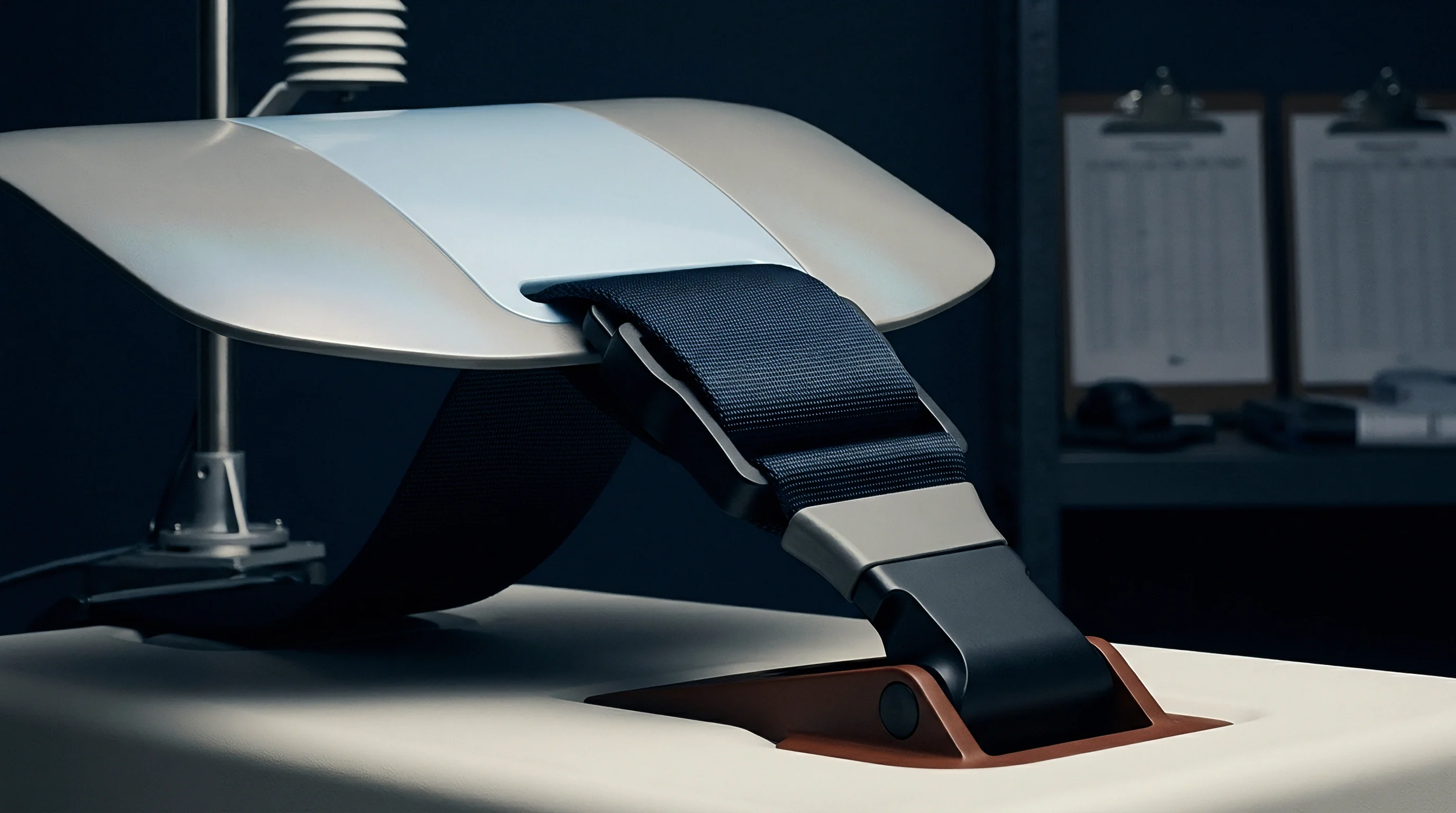
In December 2025, the U.S. Consumer Product Safety Commission finalized a direct final rule updating the mandatory safety standard for bassinets and cradles under 16 CFR Part 1218 to align with the ASTM F2194-25 specification. This standard requires sourcing teams to obtain updated third-party lab certifications for all shipments of infant sleeping furniture and aftermarket replacement mattresses. Importers must ensure that all units manufactured after the federal enforcement discretion deadline of June 30, 2026, carry valid Children’s Product Certificates showing compliance with the new requirements.

Context
Before this update, procurement teams assumed the 2013 federal standard ~ which combined older voluntary specs with custom modifications ~ would remain the baseline for baby gear imports. Sourcing managers were watching to see whether regulators would allow voluntary standard revisions to automatically update the federal code, and when the ASTM F2194 updates would become mandatory for imported goods.
Analysis
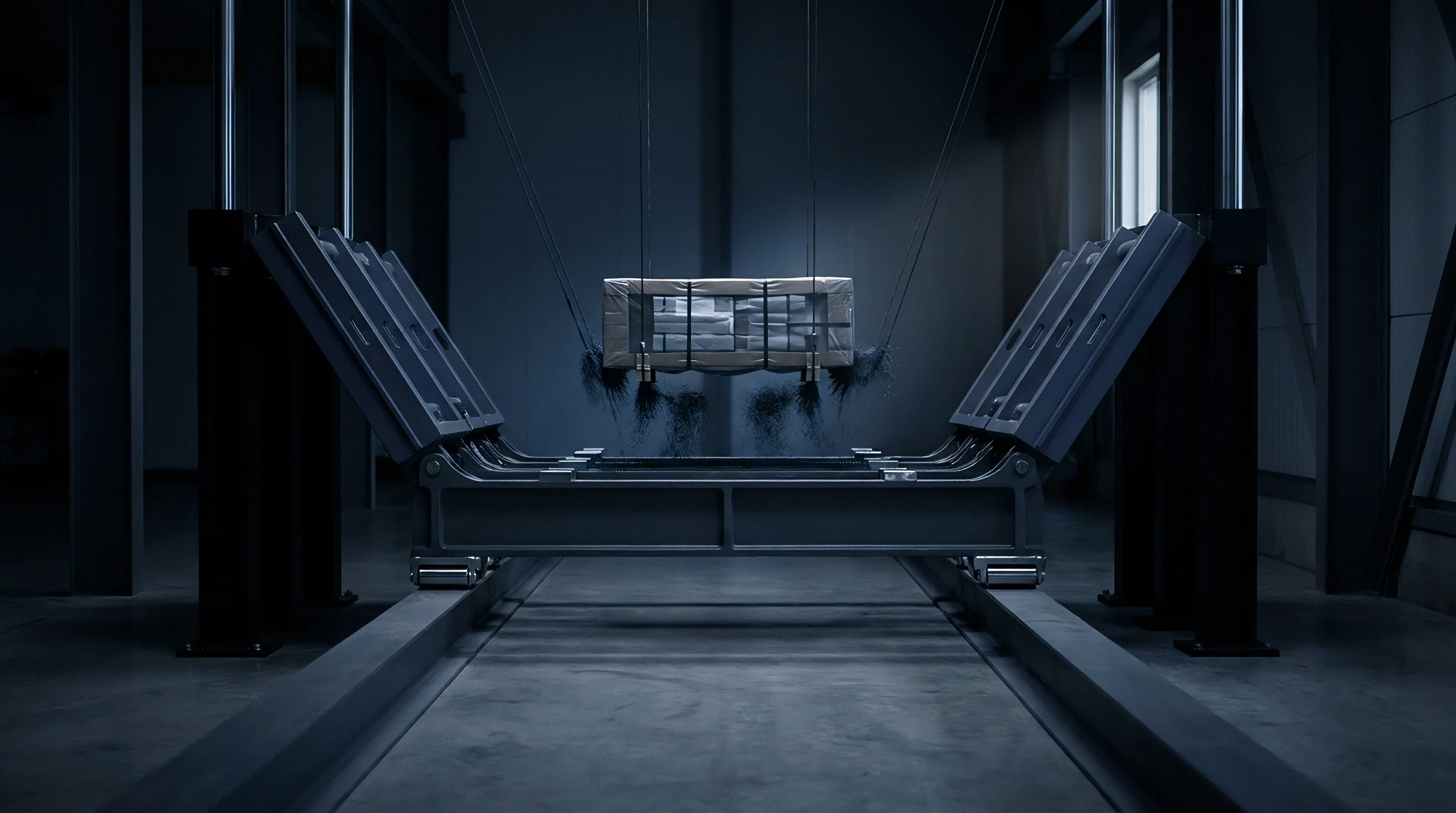
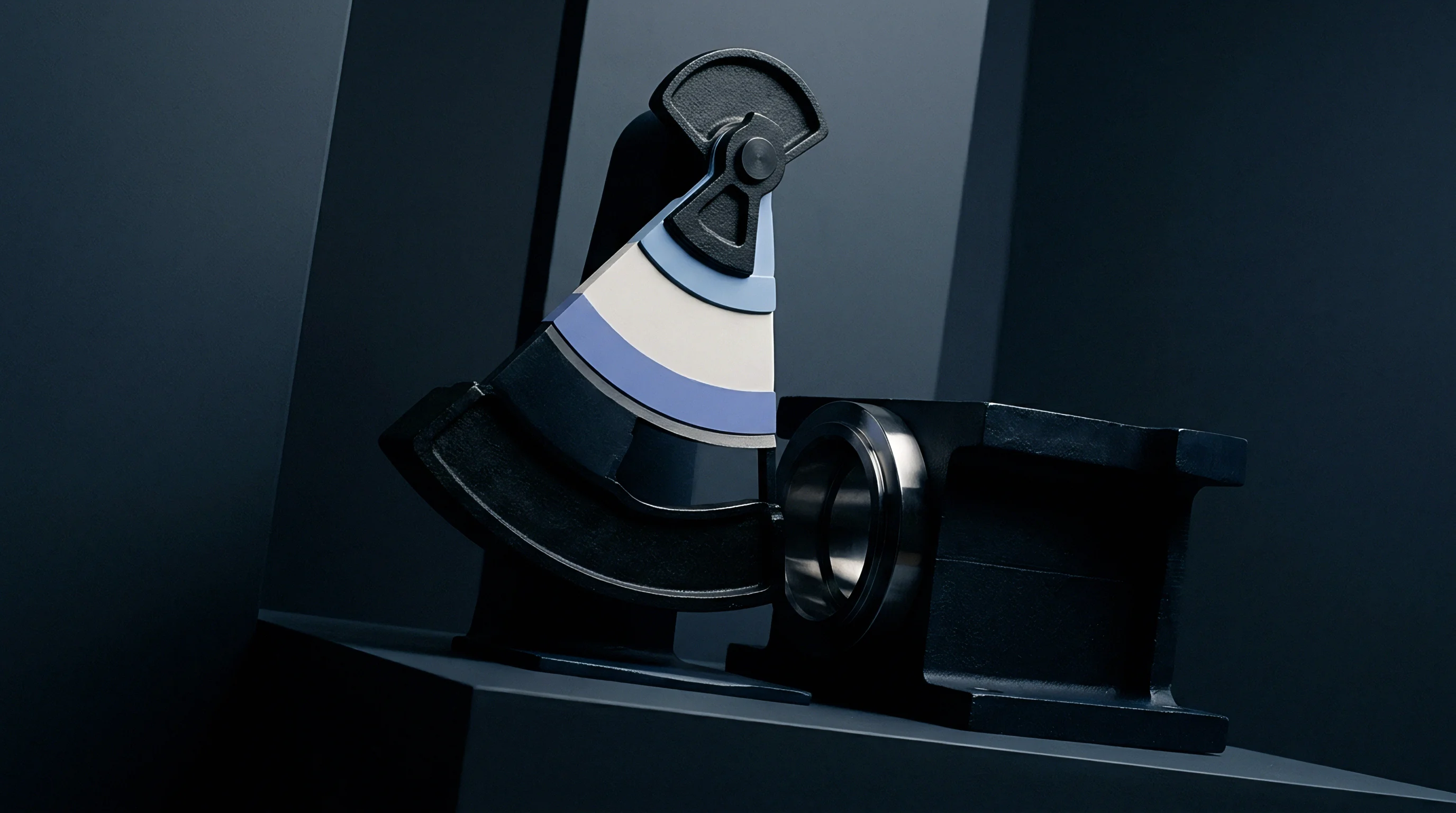
The shift occurred because the CPSC allowed ASTM International’s revised voluntary standard to become the mandatory federal rule by operation of law. Adopting the industry-led F2194-25 version without custom regulatory edits establishes a single set of testing parameters across the sector. When safety standards shift, the impact moves quickly through the supply chain. Factories have to modify stamping molds to raise side walls, adjust sleep surface mechanics to restrict tilt angles, and apply redesigned warning labels to fabric components. Testing labs must also run new structural weight routines, adding up to two weeks to factory-to-border lead times for new batches. Without an updated Children’s Product Certificate reflecting the new standard, customs officials will hold shipments at the port.

Parameters
- Updated Federal Code ~ 16 CFR Part 1218, which incorporates by reference the new ASTM F2194-25 safety specification for bassinets and cradles.
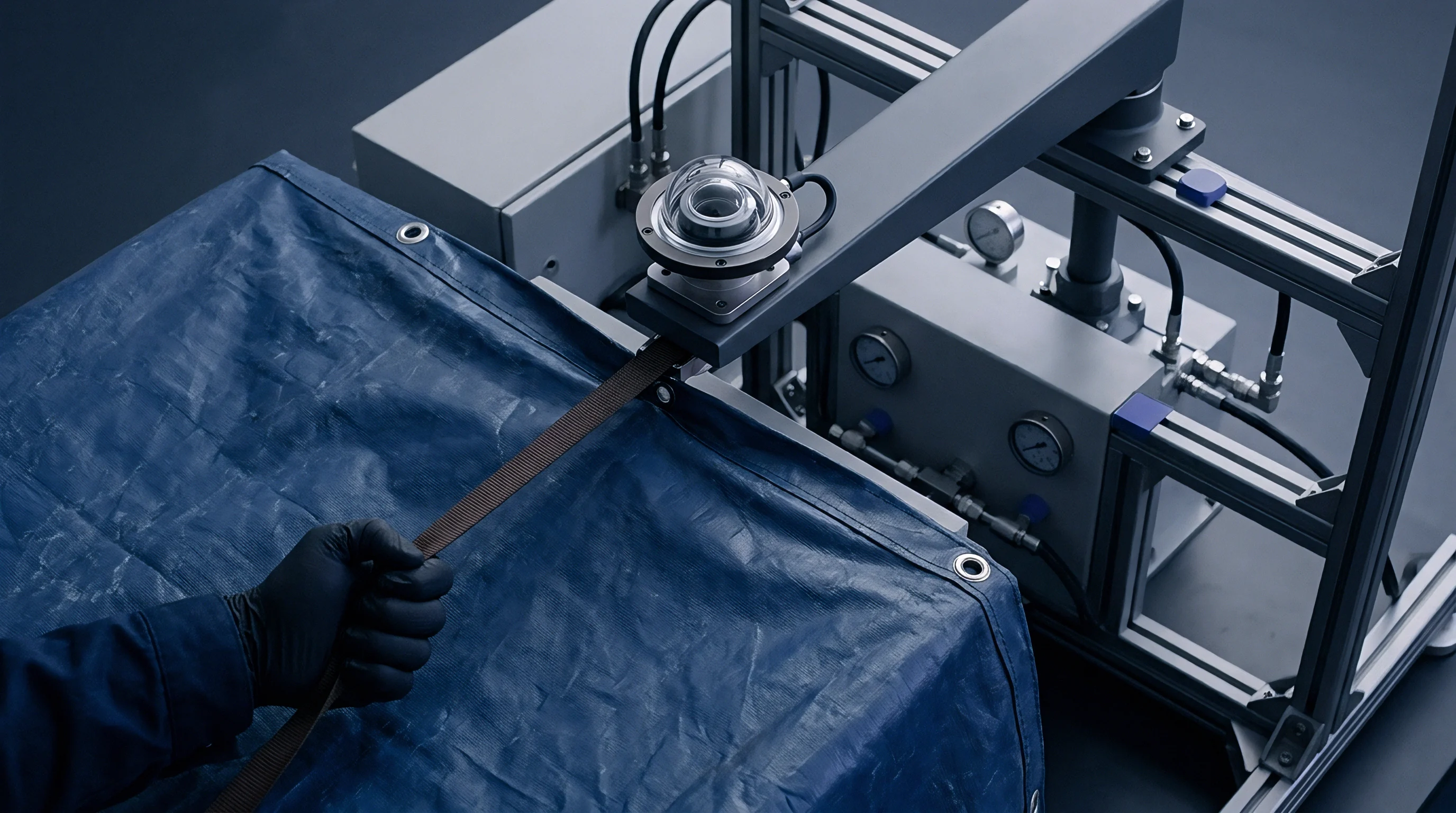
- Structural Option One ~ A design choice requiring side walls to withstand a 23-pound vertical load and a 5-pound horizontal load, with mattress surface deflection capped at 1.5 inches.
- Structural Option Two ~ A design choice requiring a minimum top rail height of 16 inches from the supporting floor surface.
- Maximum Sleep Surface Angle ~ A restriction setting head-to-toe sleep surface tilt to a maximum of 10 degrees and lateral tilt to 7 degrees to limit infant rolling hazards.
- Enforcement Discretion Deadline ~ June 30, 2026, marking the end of the transition period during which the CPSC allowed older stock shipments before full enforcement began.
Outlook
Over the coming quarters, buyers should monitor customs clearance data and port seizure reports for infant furniture to see if enforcement increases. Testing lead times at third-party labs ought to stabilize as facilities process the initial re-certification backlog. Sourcing teams should also track upcoming CPSC direct final rule filings in related juvenile product categories to anticipate similar testing updates before the next seasonal contract cycle.

Verdict
Sourcing departments must audit their infant sleep product supply bases immediately to ensure that all factories hold third-party test reports aligned with the ASTM F2194-25 standard and that aftermarket mattresses are certified alongside OEM units.