New European Union Safety Standards Mandate Updated Testing for Childrens Furniture

European standards for childrens high chairs and seating now require updated laboratory verification for global manufacturers.

29.08.26 2 min

Briefing

The European Committee for Standardization has revised EN 14988, tightening stability and structural testing for childrens high chairs sold into the single market. Exporters must update technical files and retest current production lines immediately, as non-compliant lots risk seizure at customs and subsequent retail recalls. Importers need certificates issued under the revised criteria on file before clearing shipments; roughly 1.2 million units brought through European ports each year fall under the updated scope.

Polished metal milling vessels align along a dark industrial workbench inside a materials testing and sample preparation facility.

Context

While buyers had been watching regional safety alerts for signs of regulatory movement, current certificates were assumed to hold across active contracts. Procurement desks had kept their focus on container rates and factory lead times, taking compliance in juvenile furniture as settled ground. The revision makes technical documentation the immediate hurdle for clearing orders.

A logistics worker sitting on wooden pallets adjusts heavy leather safety footwear inside an industrial warehouse environment.

Analysis

To counter tip-overs, the revised standard raises load thresholds and recalculates center-of-gravity points for seating units. Frames that cleared previous audits now require structural reinforcement to meet the higher load targets, adding two to four weeks to lead times while factories adjust tooling and assembly lines. Lab fees per model have also climbed as facilities bring in specialized assessment rigs. Without passing scores, manufacturers cannot sign off on the Declaration of Conformity required for customs clearance, stalling finished shipments at origin regardless of whether physical production is otherwise complete.

A gloved technician examines a heavy duty forged steel lifting hook with a magnifying lens inside a controlled environment testing lab.

Parameters

  • Standard Reference ~ EN 14988 serves as the technical benchmark for childrens high chair safety and stability in Europe.
  • Lead Time Impact ~ 14 to 28 days added for factory retooling and lab testing cycles.
  • Key Volume ~ An estimated 1.2 million annual units face scrutiny under the updated inspection regime.
  • Audit Requirement ~ Technical files must match current 2024 testing protocols for legal entry.
Steel retaining pin secures a vertical shaft against a dark blue metal panel inside a modular furniture assembly unit.

Outlook

Available inventory will tighten as channels flush out legacy stock. Border authorities are positioned to increase physical audits over the first six months of enforcement to intercept uncertified product. Importers must track report completion dates directly with accredited third-party laboratories, as the January order cycle will show whether factory throughput has absorbed the structural changes.
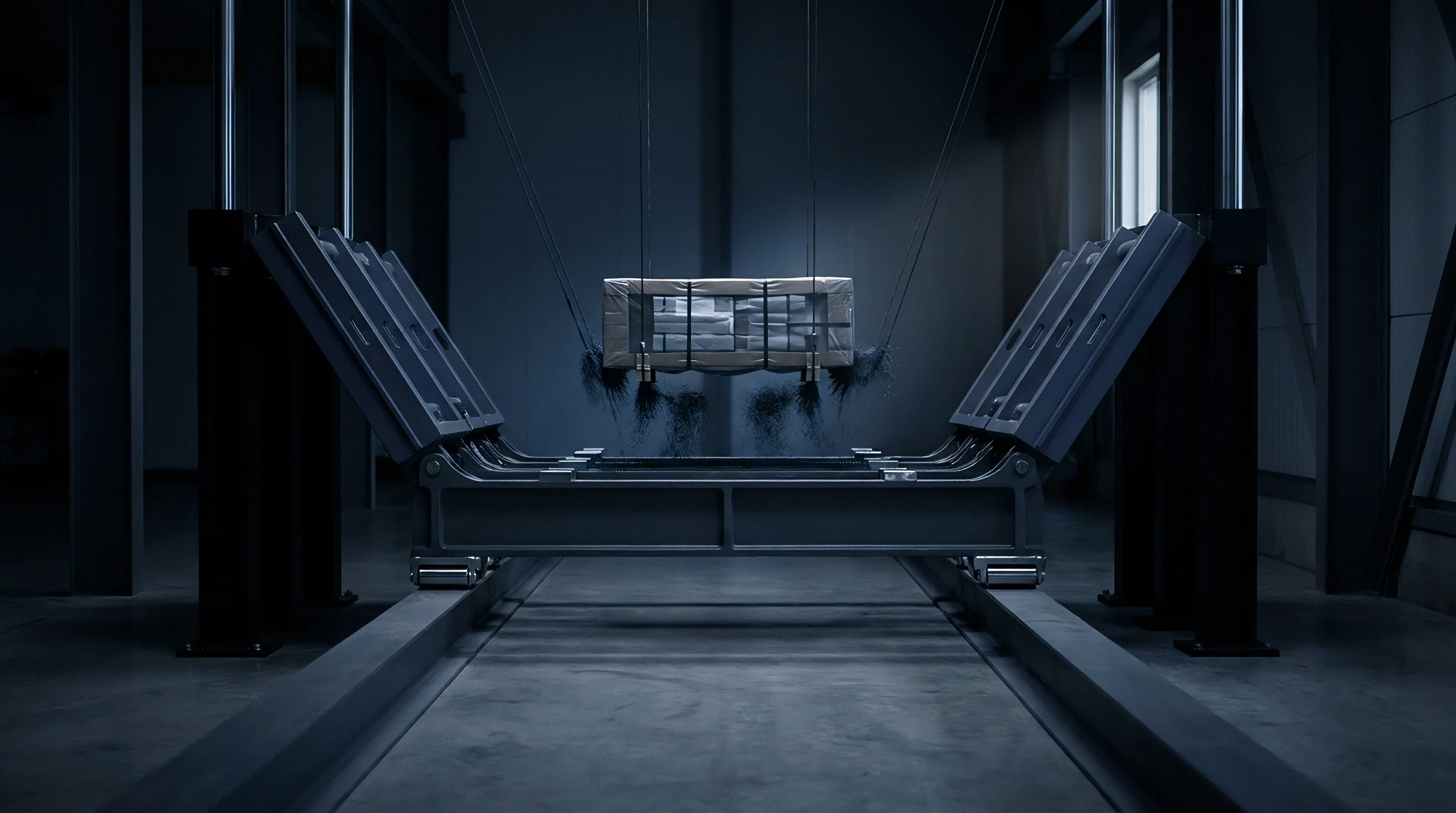
A digital render shows a suspended freight package positioned between angled steel impact arms inside a dark industrial testing facility.

Verdict

Halt all new furniture shipments until suppliers provide valid test reports and technical files compliant with the updated stability standards.

Signal Acquired from: European Commission Safety Gate

Nomenclature

Furniture Supply Chain Security

Asset Integrity ~ Inventory control mechanisms operate to prevent loss within global timber distribution networks by tracking assembly components from harvest plots to final retail distribution warehouses.

Product Safety Compliance

Operational Mandate ~ Product safety compliance is a legal obligation that binds industrial manufacturers to verify that physical goods released into commercial markets contain no design flaws, chemical contaminants or structural hazards capable of injuring users or damaging surrounding property.

Seating Equipment Safety

Structural Integrity ~ Ergonomic protective standards for industrial and commercial chairs ensure that the physical structure supports the weight and movement of a human occupant without failing.

Quality Control Protocols

Procedural Constraint ~ Verification parameters govern manufacturing consistency by establishing numerical boundaries that production runs must satisfy before release.

Conformity Assessment Procedures

Regulatory Verification ~ Systemic administrative pathways function to establish whether manufactured goods meet specified technical requirements prior to market release.

Furniture Laboratory Testing

Structural Verification ~ Engineering protocols provide data regarding the physical integrity of seating and cabinetry under expected use.

Physical Safety Parameters

Design Criterion ~ Measurable limits for mechanical, thermal, electrical and structural factors that prevent equipment failure or human injury define these constraints.

Furniture Stability Testing

Physical Resistance ~ Structural evaluation protocol applied to assembled commercial inventory determines whether heavy floor loads cause tipping under rated downward pressure.

Regulatory Risk Management

Compliance Framework ~ Industry operators employ this systematic approach to identify legal vulnerabilities and execute mitigation plans across complex international supply chain networks.

Trade Compliance Documentation

Customs Evidence ~ Official records required by customs authorities verify the legal entry of goods across international borders.

International Manufacturing Audits

Audit Cadence ~ Systematic factory evaluation represents a structured procedural review of overseas production lines executed by independent verification teams.

Technical File Verification

Compliance Evidence ~ A rigorous audit procedure determines whether product documentation aligns with statutory safety and design requirements before goods enter the regulated market.

What the firm knows, published

Expertise is a utility, not a secret. sentiention™ publishes its working knowledge as open reference: intelligence layer covering the materials it sources, the markets it enters, and the reference that serves both.