Structural Integrity
Ergonomic protective standards for industrial and commercial chairs ensure that the physical structure supports the weight and movement of a human occupant without failing. Seating equipment safety involves the testing of frames and upholstery for durability and fire resistance. These regulations prevent injuries caused by structural collapse or repetitive strain during long periods of use.
Manufacturers must label their products with weight limits and compliance marks to inform the buyer.
Impact Testing
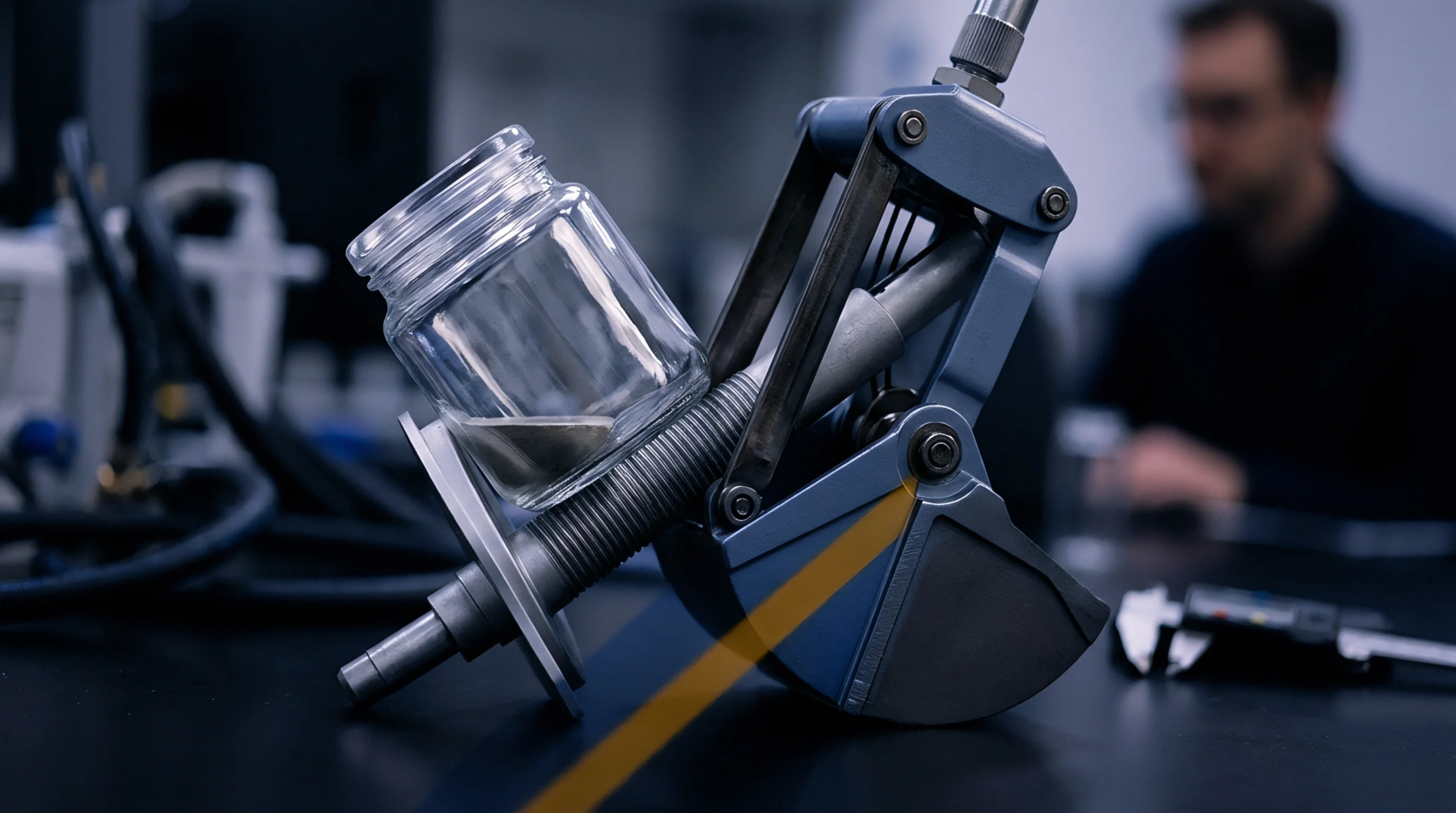
Evaluation of these products happens in laboratories using specialized machines that simulate years of wear in a few days. Dynamic load tests drop heavy weights onto the seat to check for fractures in the plastic or metal components. Stability tests determine the angle at which a chair will tip over when a person leans in any direction.
Every component, from the caster wheels to the gas lift cylinder, undergoes individual stress analysis to find potential weak points. Engineering analysis of these results informs the design of more resilient furniture for high-traffic environments like offices and control rooms.
Maintenance Protocol
Protection is only maintained if the equipment is used within the specified design limits. Seating equipment safety ceases to be effective when the furniture is modified with unofficial parts or when it is not regularly inspected for loose fasteners.