Thermal Protection
Formed from fluted paper mediums glued between flat linerboards, corrugated packaging functions as a structural outer shell designed to absorb mechanical shock during transit. This cellulose construction converts raw paper into rigid channels that resist compressive loads from stacking while maintaining a high strength to weight ratio. Production facilities manufacture various flute profiles to alter cushioning performance and flat crush resistance depending on the fragility of the enclosed goods.
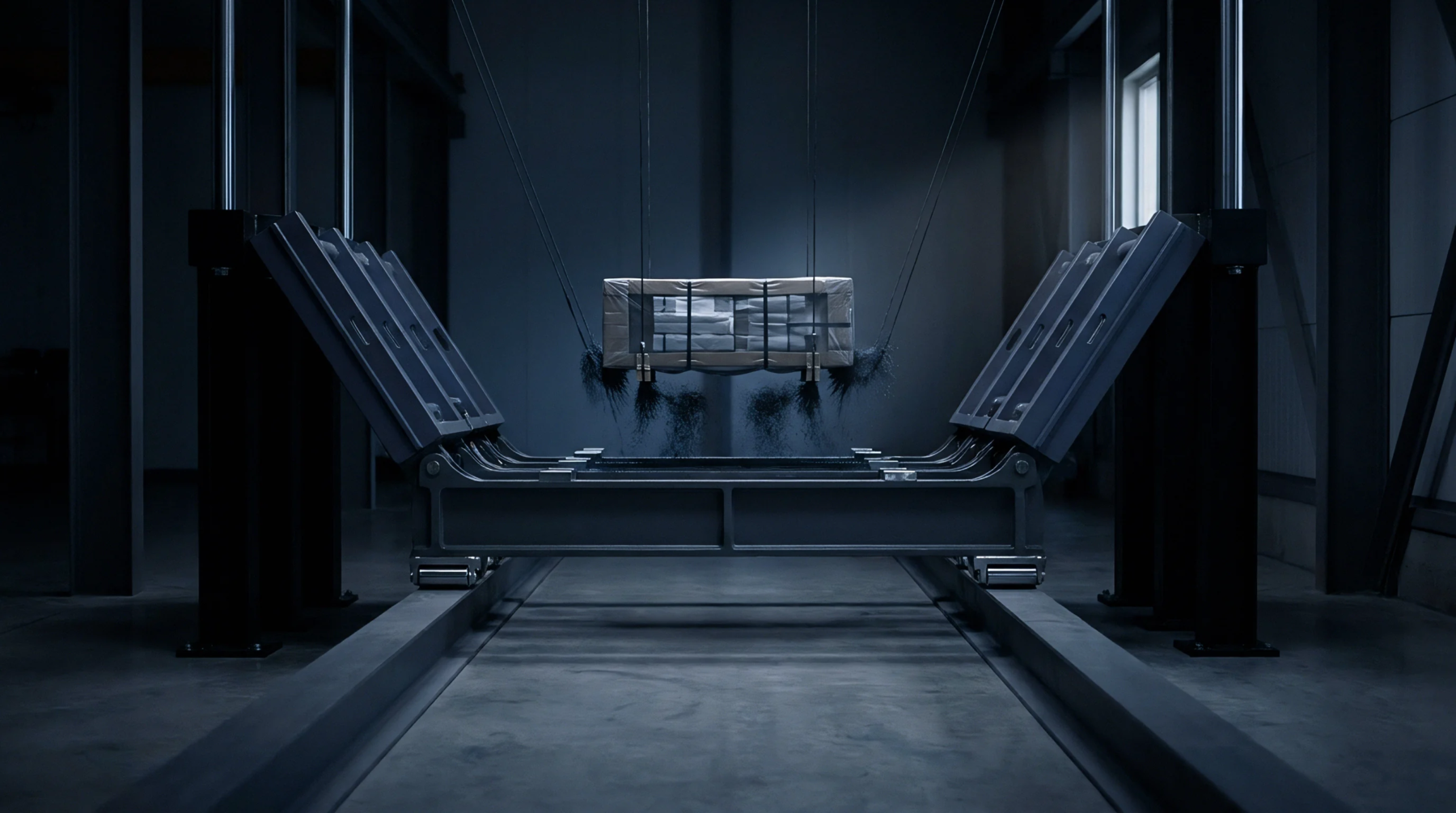
External distribution networks subject these cellulose containers to dynamic forces including vibration from road freight and impacts during sorting, which requires precise engineering of the adhesive bonds holding the fluted medium. Moisture absorption degrades structural integrity, forcing supply chain managers to apply waterproof coatings or store units in climate controlled warehouses during prolonged maritime voyages.
Structural Compliance
Regulatory standards dictate stacking strength limits through standardized compression tests that measure maximum load before failure under specific environmental conditions. Testing laboratories apply downward force at a constant rate to simulate warehouse storage pressures over extended periods. Freight carriers enforce box certificate stamps printed on the bottom flap that verify burst strength and edge crush test ratings to determine liability during transit damage claims.
Material thickness and grammage specifications vary by destination market, forcing manufacturers to adjust pulp composition and linerboard density to satisfy regional import regulations without adding unnecessary tare weight.
Distribution Economics
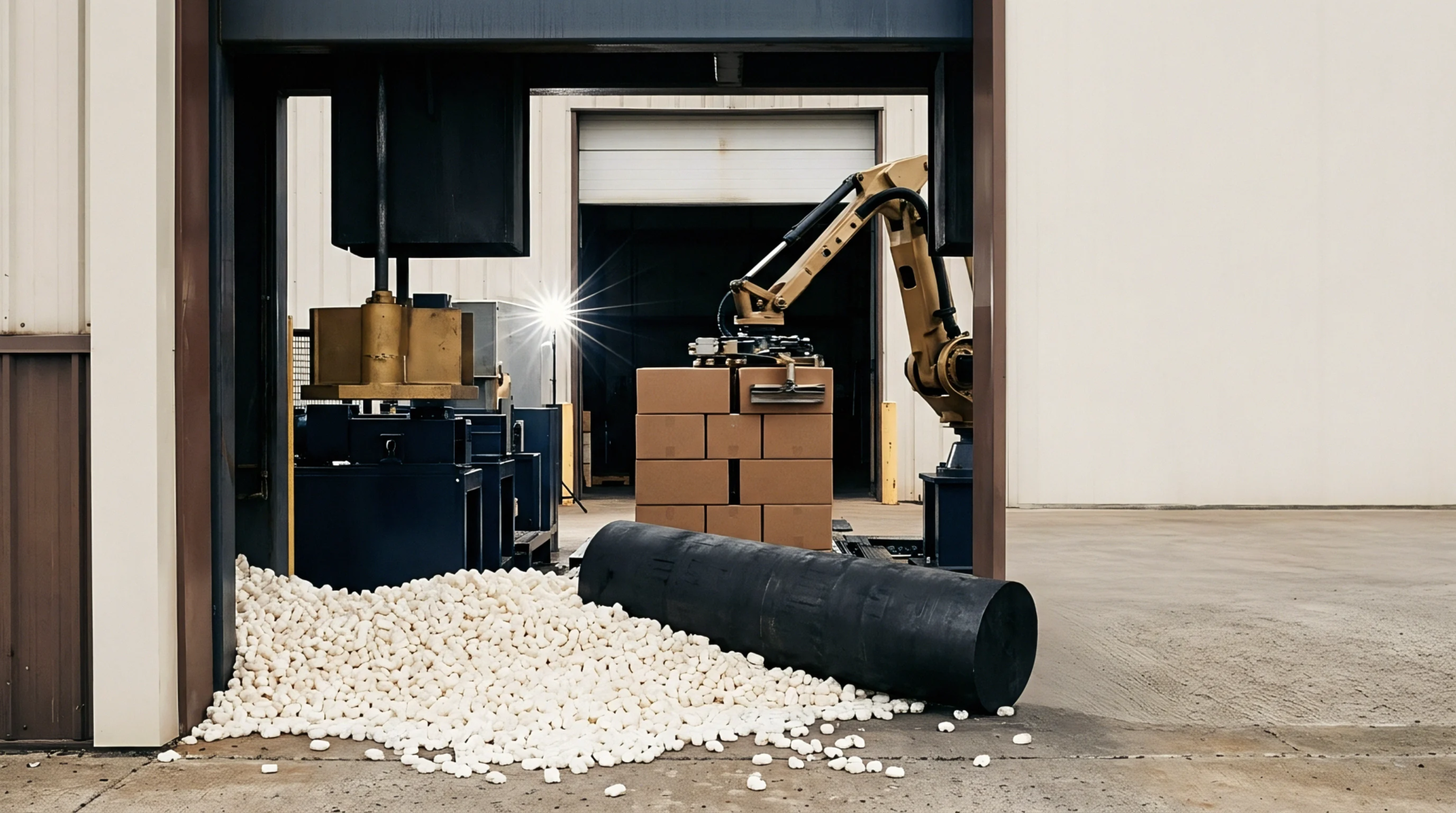
Material efficiency drives procurement decisions because paperboard sourcing costs represent a major operational expense for high volume manufacturers shipping consumer goods globally. Purchasing departments balance board grade specifications against unit damage rates to minimize total logistics expenditure over multiyear distribution cycles. Automated packaging lines convert flat blanks into erected boxes at high speeds, reducing labor overhead in fulfillment centers while generating recyclable waste streams that offset raw material costs through baled paper scrap recovery.
Market demand for sustainable shipping materials accelerates the substitution of plastic cushioning with molded pulp and heavy duty paper alternatives across retail supply chains.