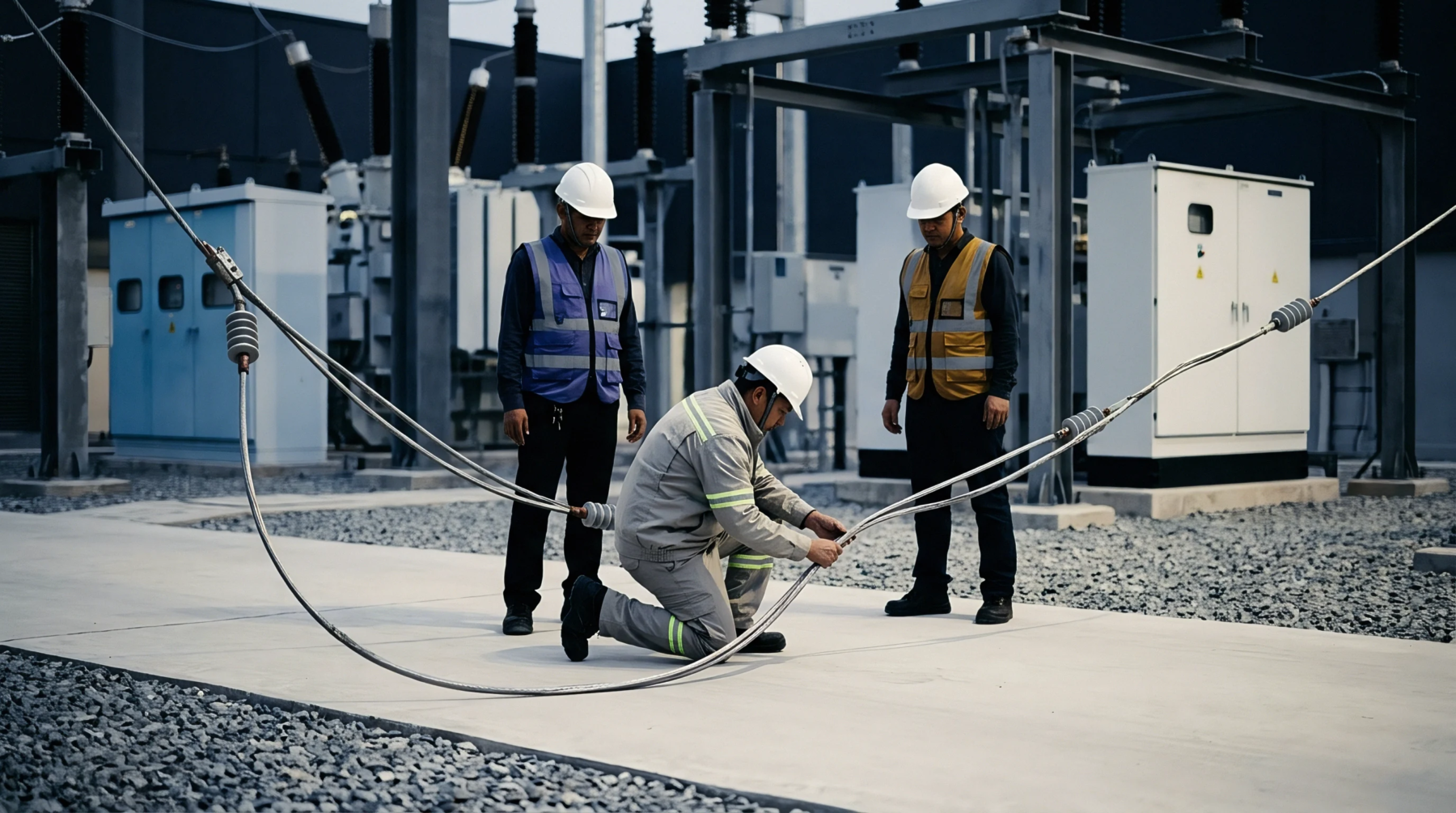
Physical Resource
Power distribution units, cooling arrays, and server racks constitute the core hardware arrangement in a facility. These components collectively form data center infrastructure to support the continuous operation of digital systems. Equipment density dictates the thermal management requirements, while the electrical distribution strategy determines how many kilowatts reach each computing node.
Power reliability remains the primary constraint during periods of high load.
Operational Lifecycle
Hardware deployment follows a strict sequence starting from rack configuration through to electrical and network connectivity. Data center infrastructure requires regular maintenance of cooling loops and battery backups to prevent downtime. Monitoring sensors provide data on ambient temperature and humidity levels inside the technical space.
Analysts observe these metrics to calculate the total cost of ownership over the expected equipment lifespan. System failures occur when heat dissipation methods fail to keep pace with processing power requirements.
Market Valuation
Investment decisions in commercial sites depend on the current capacity and the future scalability of the underlying physical assets. Valuation of data center infrastructure involves assessing the residual life of power generators and cooling chillers against the cost of modular upgrades. Buyers often calculate the ratio of whitespace to technical load to determine the efficiency of the asset.
Modern facility appraisals focus on the power usage effectiveness ratio as a proxy for operational expenditure stability. Capital allocation towards high-density housing hardware increases the long term adaptability of the site.