Hitachi Energy Builds Mississippi Plant to Expand Industrial Transformer Supply

Hitachi Energy is investing 528 million dollars to double US output of transformers used in industrial power systems.

19.09.26 2 min

Briefing

Hitachi Energy is investing $528 million to build a new transformer manufacturing facility in Gallman, Mississippi. The project moves production out of the nearby Crystal Springs plant and will double local manufacturing capacity. For procurement desks, the facility adds domestic supply for the mid-range transformers required by data centers, semiconductor fabs, and broader industrial electrification programs. Deliveries are scheduled to begin in 2029, marking the largest single commitment within the company’s $1.5 billion national expansion.

A manufacturing specialist examines a heavy steel industrial swivel alongside diverse material samples and a photovoltaic solar panel in a studio setting.

Context

Surging power demand across technology and industrial sectors had already run headlong into a tight electrical equipment market. Transformer lead times stretched across multiple years, destabilizing capital project schedules. Shortages have fallen hardest on the mid-range and power distribution units needed to step down high-voltage grid power for factories and data centers.
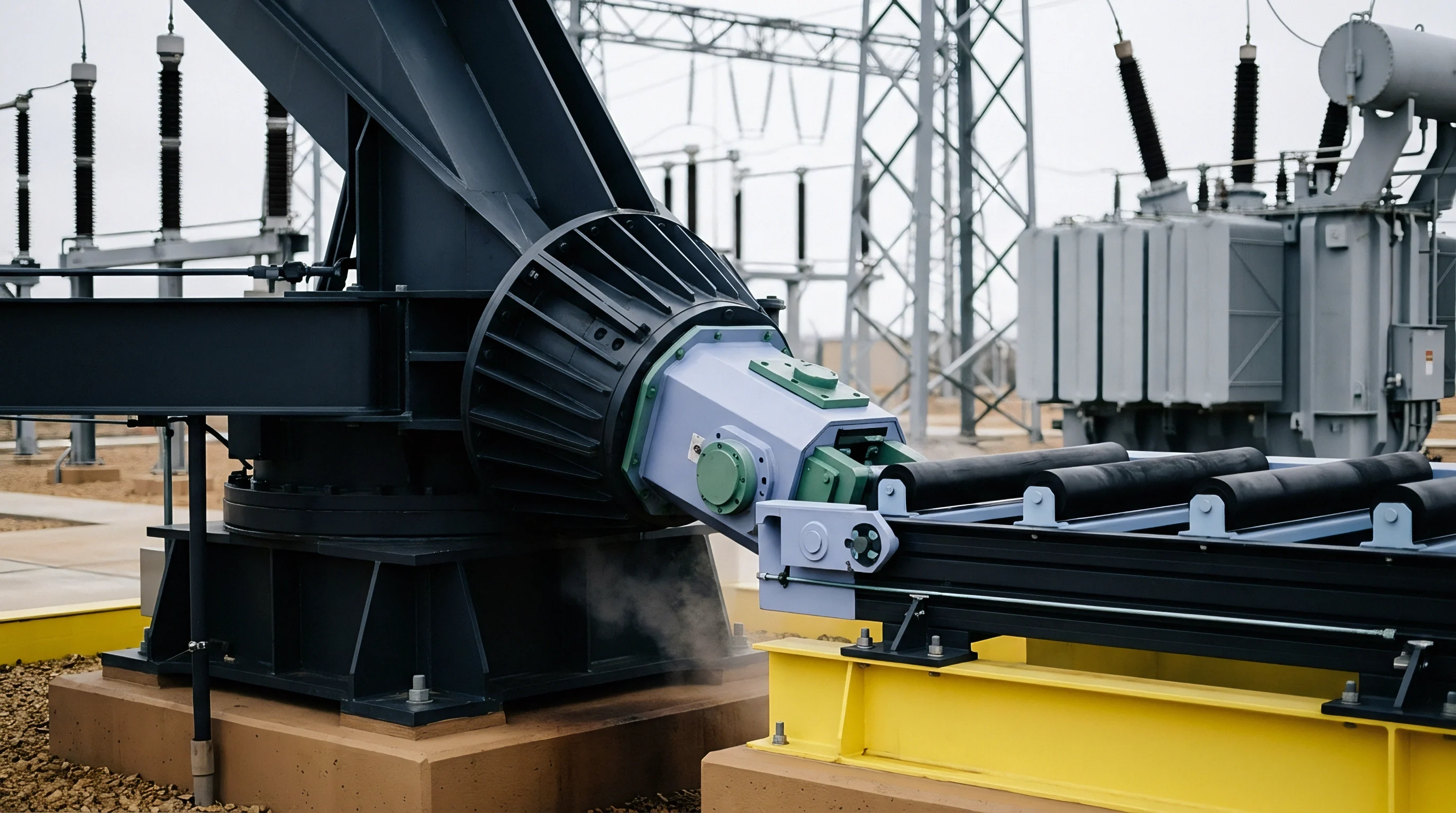
High voltage electrical substation components feature a mechanical pivot assembly mounted on steel beams near industrial transformers and insulators.

Analysis

The Gallman site will focus on mid-range power transformers, the hardware bridging transmission grids with heavy power consumers. Expanding domestic production addresses the central equipment bottleneck that currently forces buyers to wait months or years for delivery slots. Shifting this volume to North America shortens transit legs and provides more predictable lead times for regional construction pipelines.

A miniature steel electricity pylon model connects via thin filaments to a dark mineral lump resting inside an industrial workshop.

Parameters

  • New plant investment ~ 528 million dollars to establish the transformer facility in Gallman, Mississippi.
  • Total expansion program ~ 1.5 billion dollars dedicated to boosting domestic power infrastructure production.
  • Production timeline ~ Factory construction is scheduled to begin late this year, with transformer output commencing in 2029.
  • Capacity change ~ The new site is over twice the size of the current Crystal Springs plant and will double regional production.

Heavy dark solid fuel chunks fill a secured yellow fabric container positioned on a dark blue industrial surface.

Outlook

Buyers should track progress in Mississippi alongside Hitachi Energy’s concurrent 457 million dollar expansion in South Boston, Virginia. Together, the two buildouts represent a significant capacity addition. Monitoring quarterly construction milestones and early testing schedules ahead of the 2029 commissioning date will show when regional supply constraints are likely to ease.
Digital render shows gray concrete blocks supporting a server enclosure, a diagnostic testing unit, and a metal exhaust stack under overcast skies.

Verdict

Extended lead times for power equipment will persist in the near term, making it critical for procurement teams to align multi-year capital schedules with the commissioning dates of domestic capacity expansions.

Signal Acquired from: Hitachi Energy

Nomenclature

Energy Infrastructure Capacity

Physical Throughput ~ Fixed maximum load defines the upper operational limit of utility grids and pipeline networks.

Electrical Engineering Procurement

Capital Allocation ~ Heavy electrical engineering procurement governs the commercial acquisition of high-voltage transformers, switchgear and custom generation assets required by power utilities and heavy industrial facilities.

Power Transformer Sourcing

Market Architecture ~ Power transformer sourcing governs the commercial acquisition of large inductive units that regulate voltage across high-voltage transmission networks.

Transformer Supply Chains

Component Logistics ~ Electrical manufacturing requires specialized supply chains for transformer production because these units depend upon highly specific raw materials that are not interchangeable with those used in other industrial sectors.

Grid Modernization

Electrical Infrastructure Evolution ~ Digital monitoring and automated response mechanisms improve the reliability of power distribution systems across high voltage networks.

Industrial Electrification

Conversion Mechanism ~ Transitioning thermal loads in manufacturing facilities from combustion sources to electrical resistance or electromagnetic heating represents industrial electrification.

Domestic Manufacturing Expansion

Regional Capacity ~ Industrial growth often accelerates when supply chains localize fabrication.

Data Center Infrastructure

Physical Resource ~ Power distribution units, cooling arrays, and server racks constitute the core hardware arrangement in a facility.

Lead Time Mitigation

Compression Protocol ~ Coordinated procurement and logistics practices compress the duration between initial purchase order placement and final material receipt at the receiving dock.

Industrial Manufacturing

Material Transformation ~ Large-scale mechanical and chemical processes that turn raw materials into finished products drive the global economy.

Power Distribution Equipment

Electrical Architecture ~ Medium and high voltage hardware directs electricity from utility transmission lines to end users within a facility or grid.

Utility Supply Bottlenecks

Infrastructure Constraint ~ Restricted availability of power, water, gas or steam at industrial sites limits the maximum output of manufacturing facilities.

What the firm knows, published

Expertise is a utility, not a secret. sentiention™ publishes its working knowledge as open reference: intelligence layer covering the materials it sources, the markets it enters, and the reference that serves both.