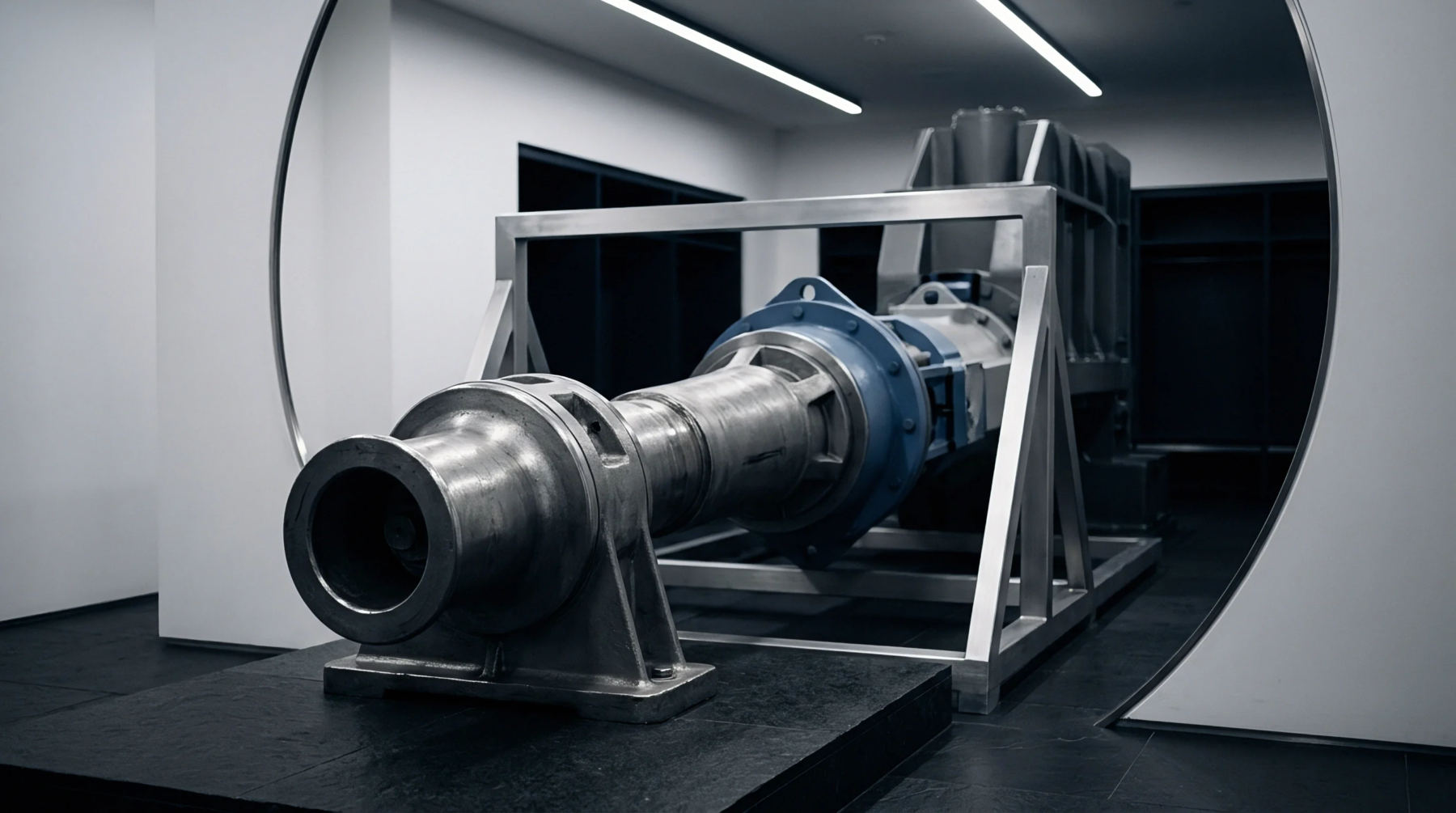
Production Facility
Heavy industrial sites combining blast furnaces and electric arc furnaces form the foundational production infrastructure for regional metals manufacturing. Major European steel mills process iron ore, scrap, and alloying elements into flat and long steel products for automotive and construction markets. Facilities rely on integrated logistics networks including deepwater port terminals and inland rail corridors to handle bulk raw materials.
Operations close temporarily when weak steel consumption or high electricity prices make production unviable.
Decarbonization Pressure
Strict carbon compliance mechanisms increase operational costs for primary steelmakers operating under regional environmental legislation. Capital investment plans at European steel mills target green hydrogen reduction systems to replace coal-based ironmaking. Carbon allowance purchases add direct financial overhead to crude steel output.
High capital requirements for low-emission technology force operators to balance decarbonization schedules against market margins.
Market Position
Competition from lower-cost foreign import volumes exerts downward pressure on domestic mill realized prices. Buying decisions track lead times and delivery costs from European steel mills against imported coil and plate offers. Safeguard measures restrict foreign steel imports to preserve market share for regional producers.
Domestic mills offer shorter delivery cycles and custom metallurgical grades that foreign suppliers cannot match quickly. Regional pricing cycles reflect scrap availability and energy tariffs. Domestic supply security maintains mill utilization rates during periods of trade disruption.