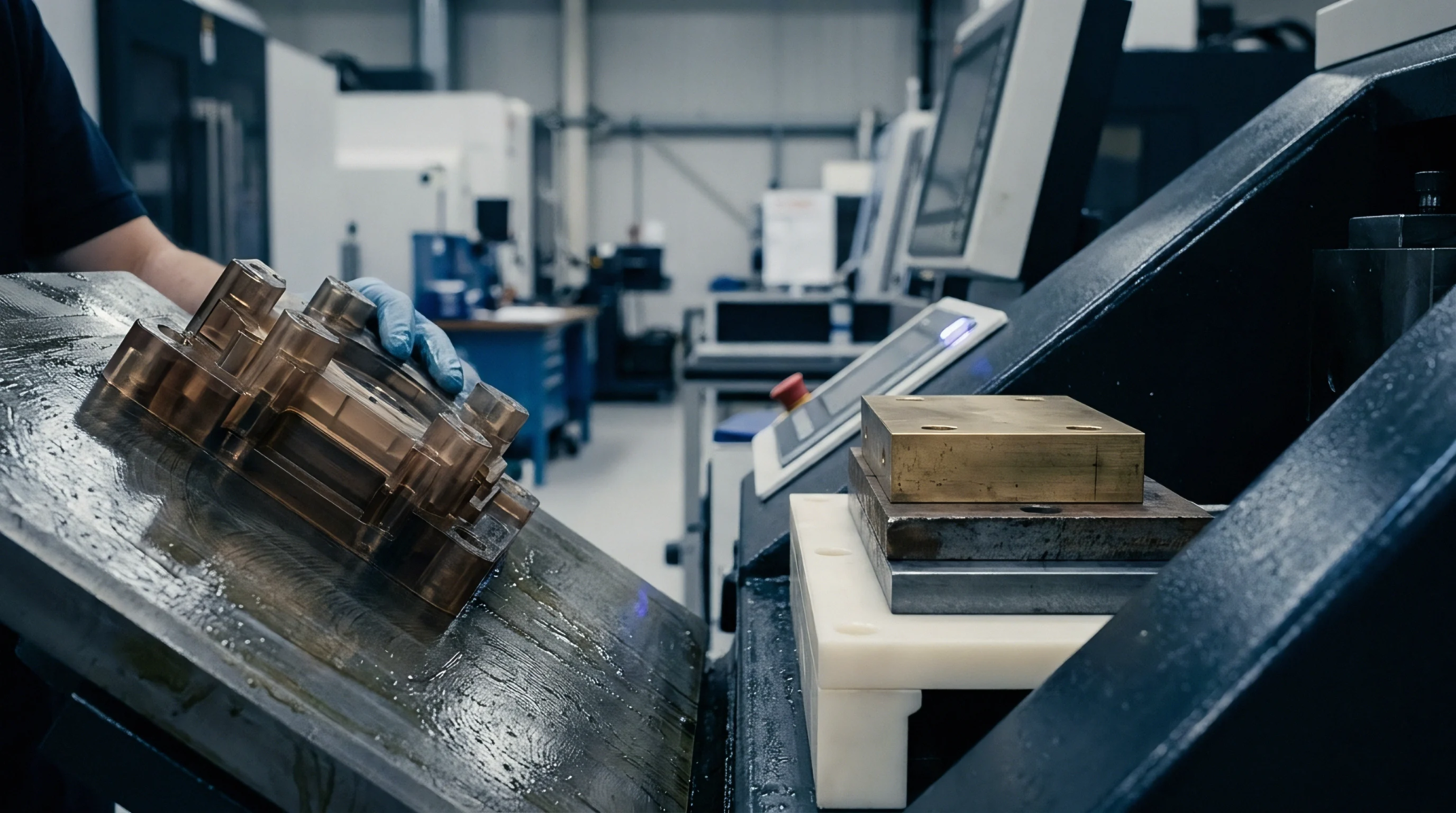
Operational Cessation
Industrial facilities halt production entirely for scheduled maintenance or unexpected equipment failure, creating temporary supply interruptions across dependent manufacturing sectors. Factory shutdowns interrupt continuous assembly lines, stopping material intake and freezing finished goods output until technical teams clear mechanical or electrical faults. Procurement managers track these scheduled halts months in advance to adjust raw material deliveries and prevent warehouse congestion at receiving docks.
Unplanned facility closures generate immediate supply chain friction because downstream assembly plants lose critical components without prior warning.
Capacity Curtailment
Manufacturing output contracts sharply during extended maintenance windows, reducing regional product availability and shifting spot market prices upward for immediate delivery. Industrial operators balance the high cost of idle machinery against the risk of catastrophic component failure by scheduling periodic operational halts. Plant managers monitor equipment degradation rates to determine the optimal interval for complete assembly line suspension.
Regional supply deficits widen when multiple facilities in the same sector undergo simultaneous maintenance during peak demand cycles.
Duration Metrics
Technical teams measure downtime duration from the moment the final unit leaves the assembly line until the first compliant product clears quality inspection after restart. Maintenance planners calculate total lost production hours by summing the exact periods of equipment inactivity across every affected production zone. Production schedulers publish projected downtime figures to help downstream buyers secure alternative inventory before regional supply buffers deplete.
Accurate duration forecasting prevents inventory shortfalls across complex manufacturing networks.