Technical Assessment
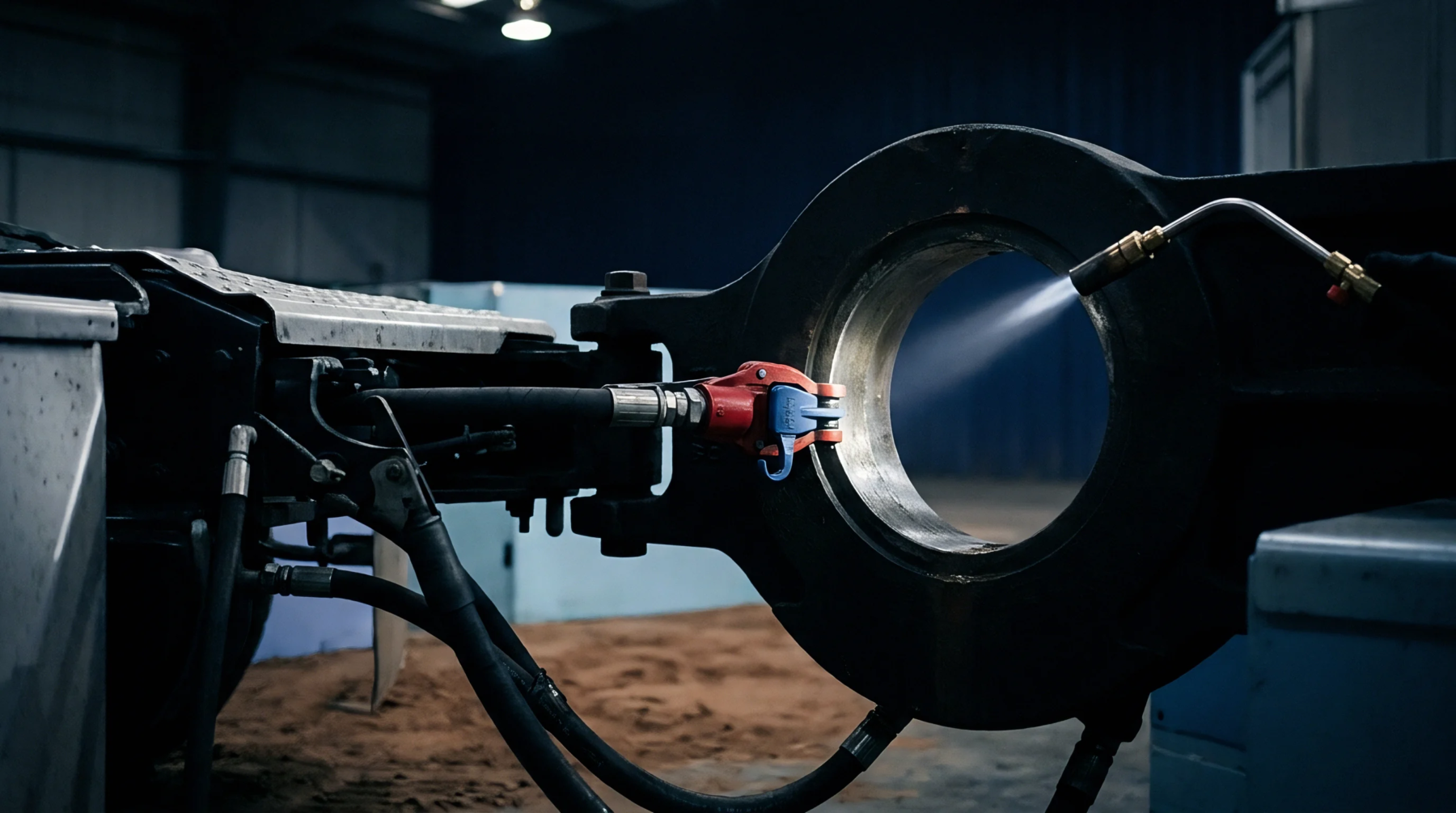
Physical asset review confirms that equipment adheres to prescribed industry standards and safety protocols. Hardware compliance audits verify the integrity of interconnected components against manufacturer specifications or regulatory requirements. Field inspections validate that electrical components, firmware versions and mechanical linkages operate within approved tolerance bands.
Independent oversight confirms whether deployed infrastructure meets the documented baseline established by engineering teams.
Control Mechanism
Documentation review provides the evidentiary basis for verifying physical configurations against established safety mandates. Assessors evaluate whether current system builds align with original design certificates or environmental certifications by comparing current status against historical records. These checks identify departures from standardized performance metrics that indicate component wear or unauthorized modification.
Analysts trace discrepancies back to maintenance logs or procurement records to determine if the hardware remains fit for purpose.
Operational Consequence
Institutional oversight of machinery state prevents catastrophic failures and maintains legal standing during supply chain transitions. Consistent verification cycles ensure that organizations avoid penalties associated with the use of outdated or non-compliant equipment during international transport or high-risk industrial activity. Periodic examinations reduce the likelihood of operational halts caused by component incompatibility or safety regulation breaches.
Verified hardware status dictates the continued authorization of infrastructure for use within regulated zones.