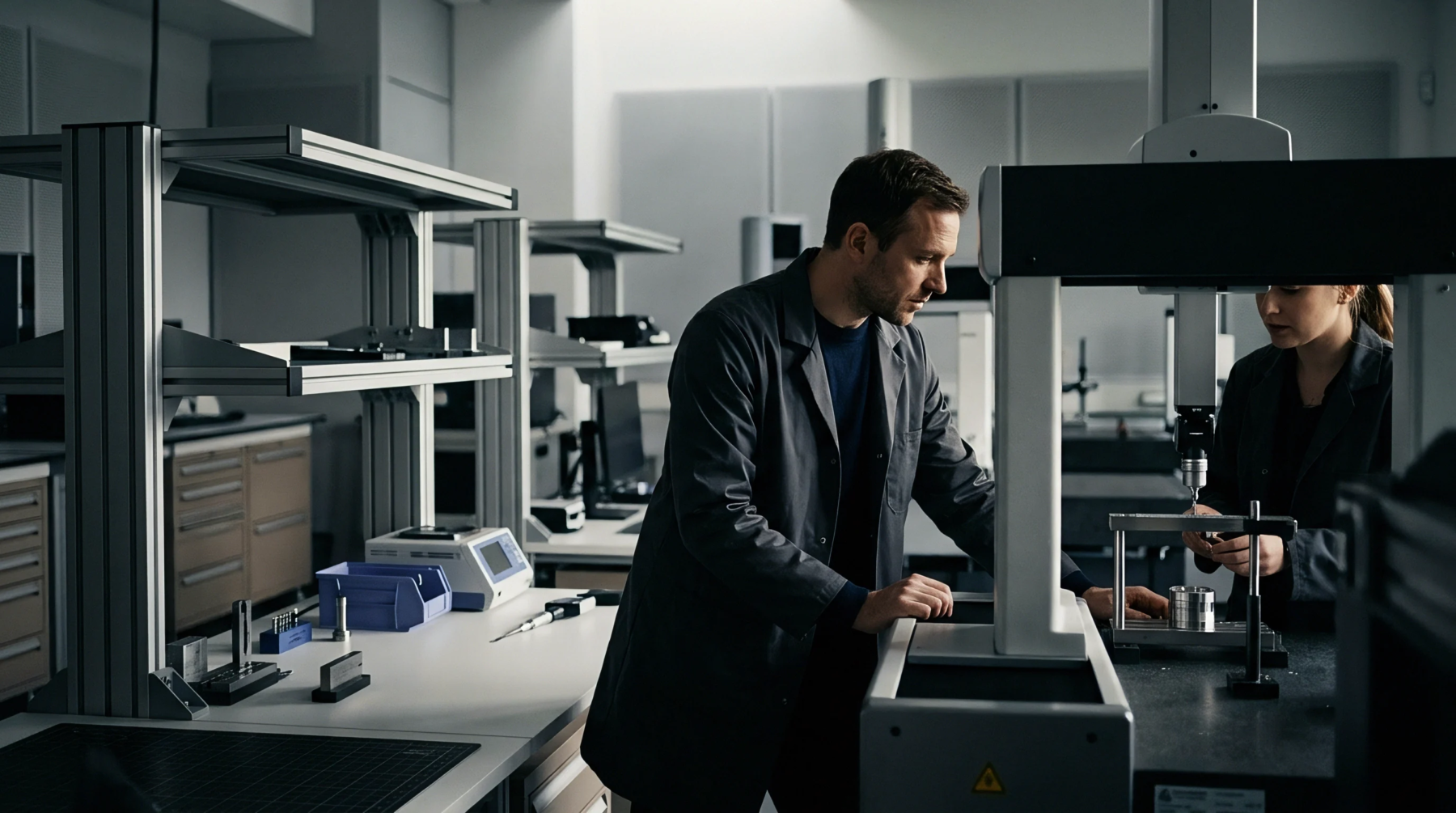
Process Control
Systematic activities established within a production facility ensure that manufactured goods consistently meet specified requirements and customer expectations. This manufacturing quality assurance involves the continuous monitoring of processes and machinery to prevent defects from occurring during assembly. The practice relies on statistical process control, regular audits, and standard operating procedures to maintain stability across production runs.
By focusing on prevention rather than retrospective inspection, the system reduces waste and scrap rates. Responsibility for quality is shared across all departments, from procurement of components to packaging and shipping of finished goods. The framework aligns with international standards such as ISO 9001 to demonstrate commitment to consistency.
Preventive Action
Implementation of corrective measures begins when the system detects a deviation from the established control limits. Through manufacturing quality assurance, engineers run diagnostic routines and check calibration settings on the assembly line. The analysis looks for root causes rather than temporary fixes, ensuring that the issue does not recur.
This preventive focus keeps production lines running efficiently without unscheduled downtime. Training programs ensure that operators can identify process drifts early.
Finished Product
Documentation of test results provides a traceable record of the quality of each batch. Active manufacturing quality assurance ensures that every shipment is backed by solid proof of compliance. This documentation protects the manufacturer from liability claims and strengthens buyer trust.
High-quality output minimizes product return rates.