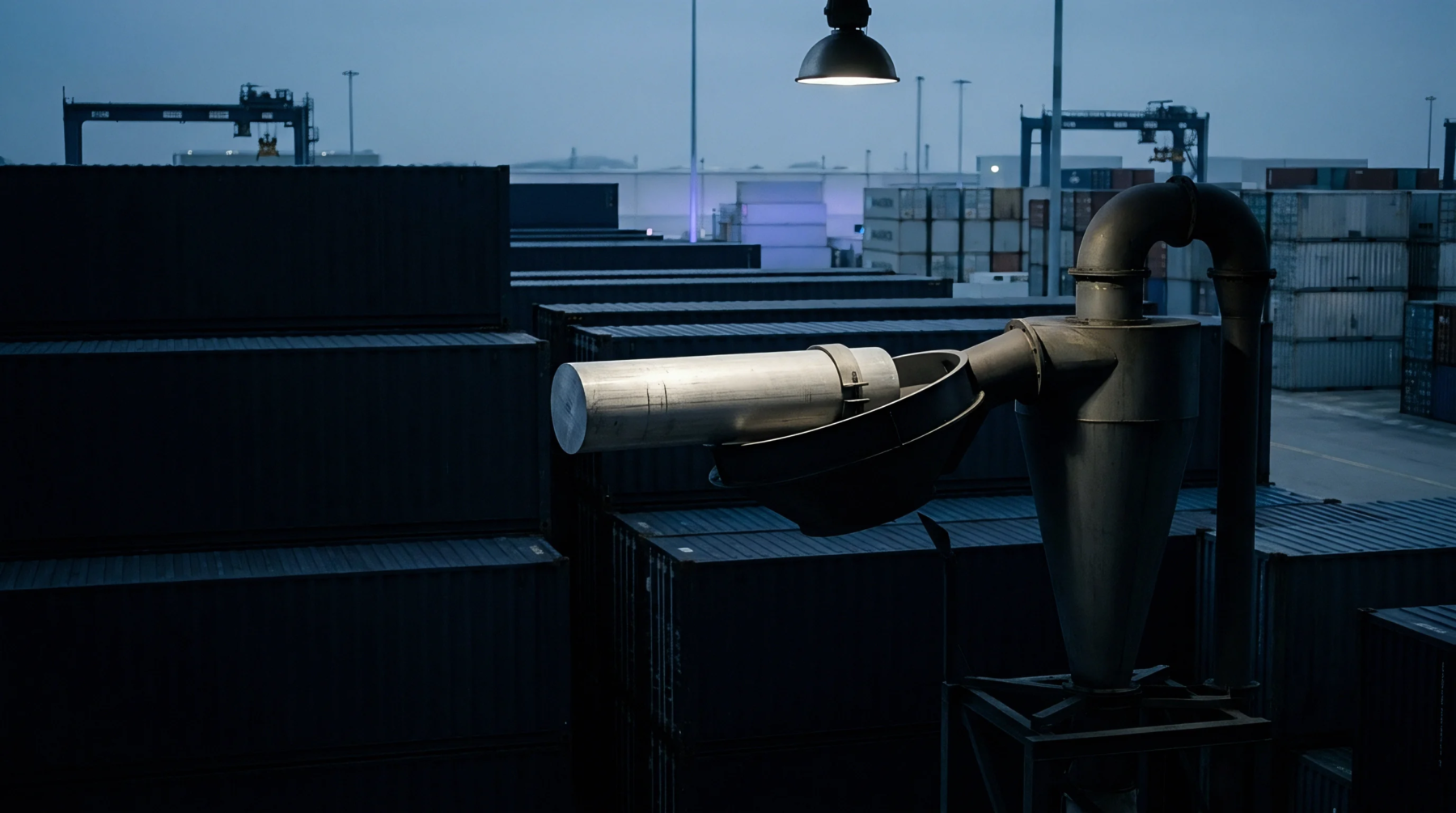
Harbor Capacity
Docks, breakwaters, and container cranes form maritime infrastructure, which designates physical waterfront assets supporting commercial vessel transfers. This capital hardware governs berth productivity and cargo throughput velocity, stopping precisely at the terminal gate where land freight systems assume custody of cargo. Industry monitors track this capacity through weekly vessel waiting times and monthly berth utilization percentages reported by terminal operators.
Physical constraints dictate whether a facility handles Panamax or ultra large container vessels. Shifting trade volumes alter revenue streams, forcing facility managers to calibrate maintenance schedules against peak demand cycles.
Terminal Economics
Capital expenditure for shoreline dredging and gantry cranes requires decades of amortization across steady container tariffs. Private operators and municipal port authorities evaluate throughput efficiency to justify modernization outlays. Dredging maintains required channel depths, allowing fully laden bulk carriers to enter berths without grounding.
When berth congestion lengthens turnaround times, vessel operators incur daily demurrage charges that erode voyage profit margins. Financing arrangements depend heavily on long-term concession agreements signed between government owners and stevedoring companies. Debt servicing obligations remain constant regardless of short-term import contractions.
Supply Friction
Bottlenecks at coastal interchange points disrupt entire ocean shipping schedules, spreading delays across interconnected global trade lanes. Berth unavailability forces container ships to anchor offshore, burning bunker fuel while awaiting available quay space. Rail connections linking docks to inland distribution hubs dictate whether discharged goods clear the terminal quickly.
When cranes malfunction, yard density surges beyond operational thresholds, blocking incoming container trucks. Port authorities deploy automated gate systems to accelerate landside truck processing, reducing truck idle time outside terminal perimeters. Capital investments in deep water berths determine future regional trade competitiveness.